

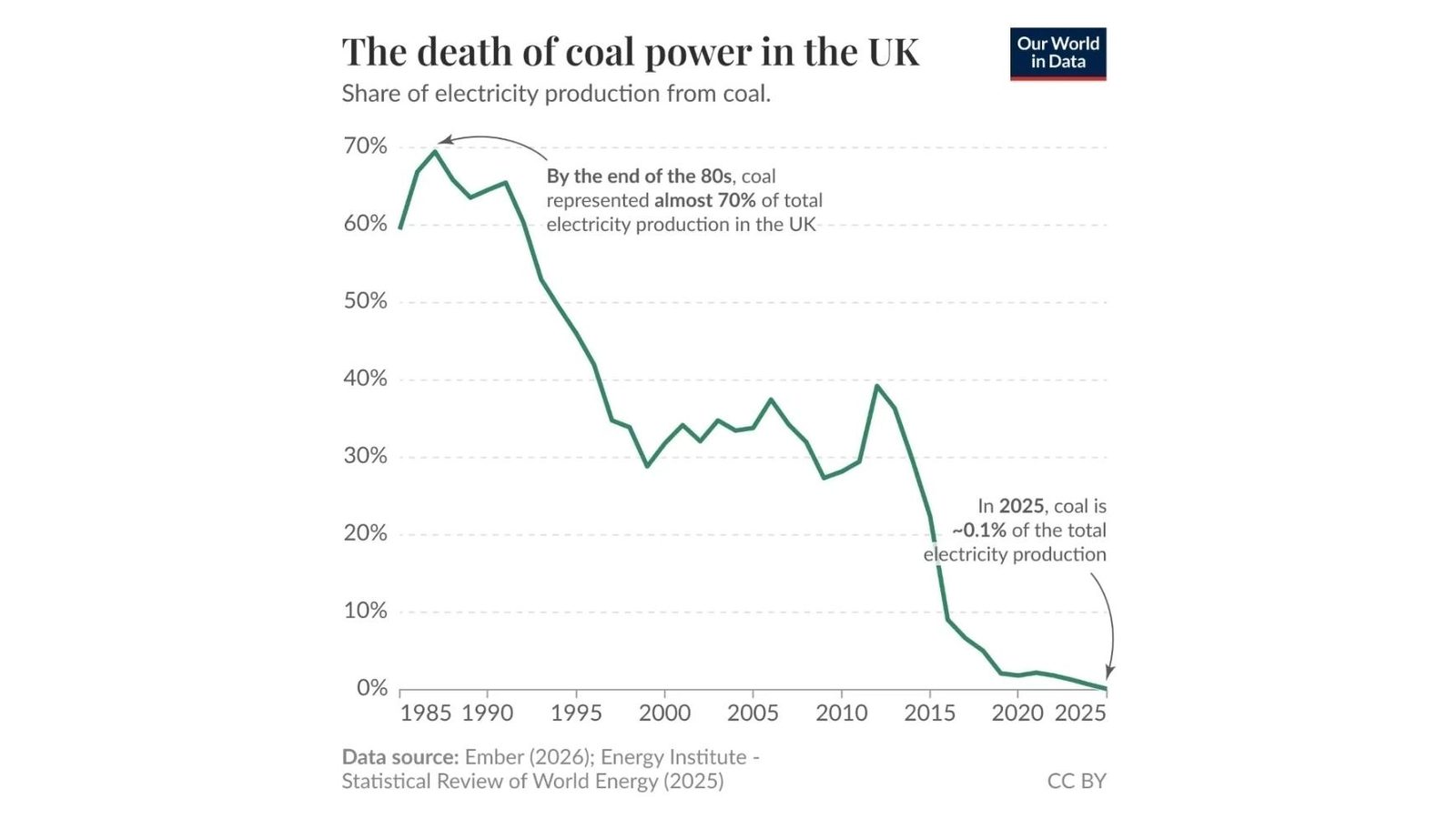
Britain has put an end to coal power. What does it mean for its industry?
In the late 1980s coal produced about 70% of Britain's electricity. It is now the first G7 country to abandon coal generation, which raises hard questions for its industry.
In the late 1980s coal produced about 70% of Britain's electricity. It is now the first G7 country to abandon coal generation, which raises hard questions for its industry.
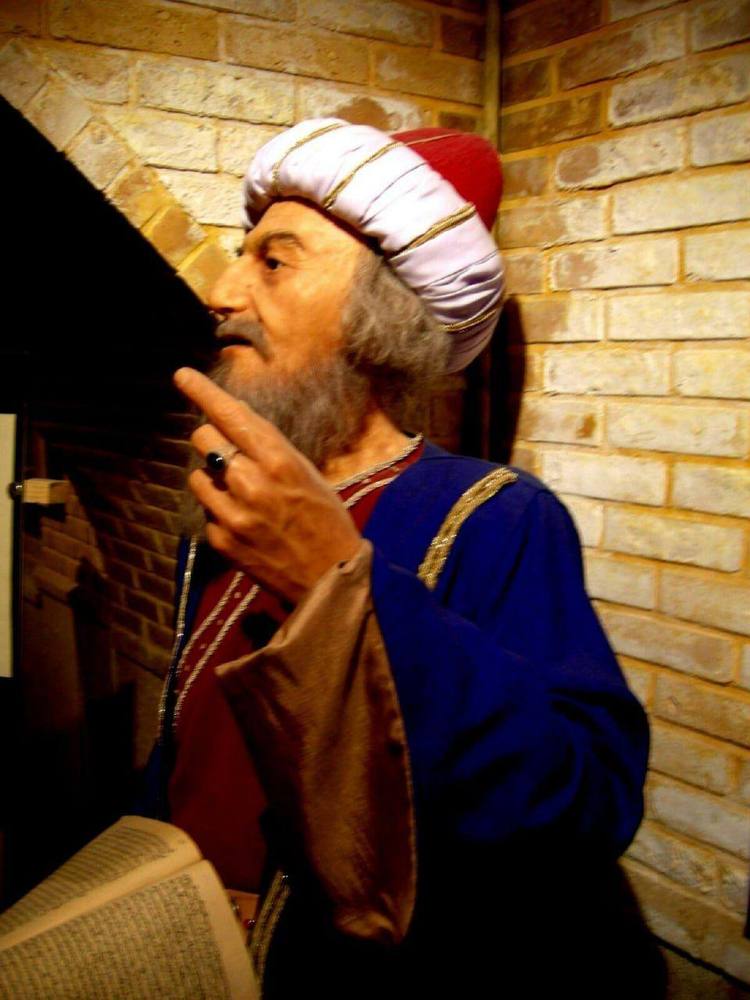
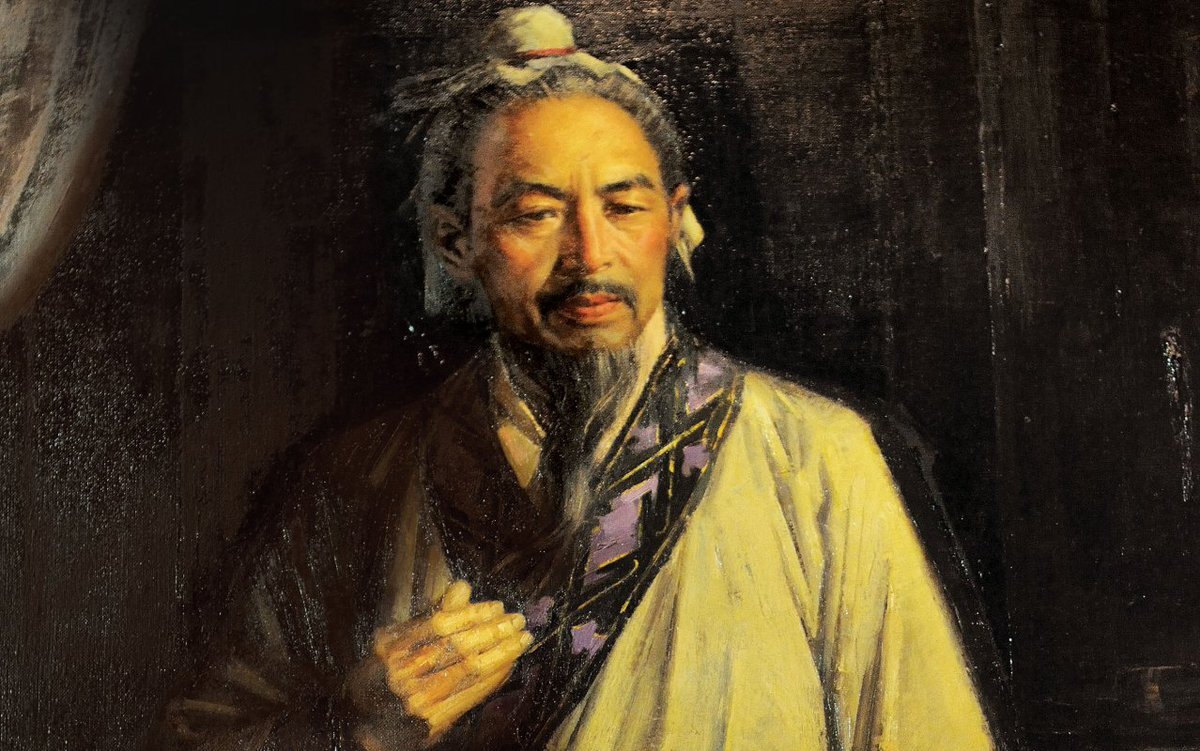
Jalal al-Din Davani on friendship as the path to perfection, on the danger of scattering oneself across different crafts, and on the discipline of silence, with an account of the Persian philosopher who served three dynasties.
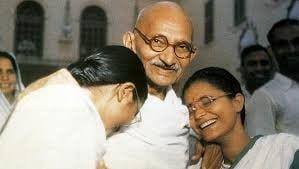
Gandhi on how movements are met, on finding yourself and on the inner voice, with a short note on his role in India's independence movement and his philosophy of non-violence.
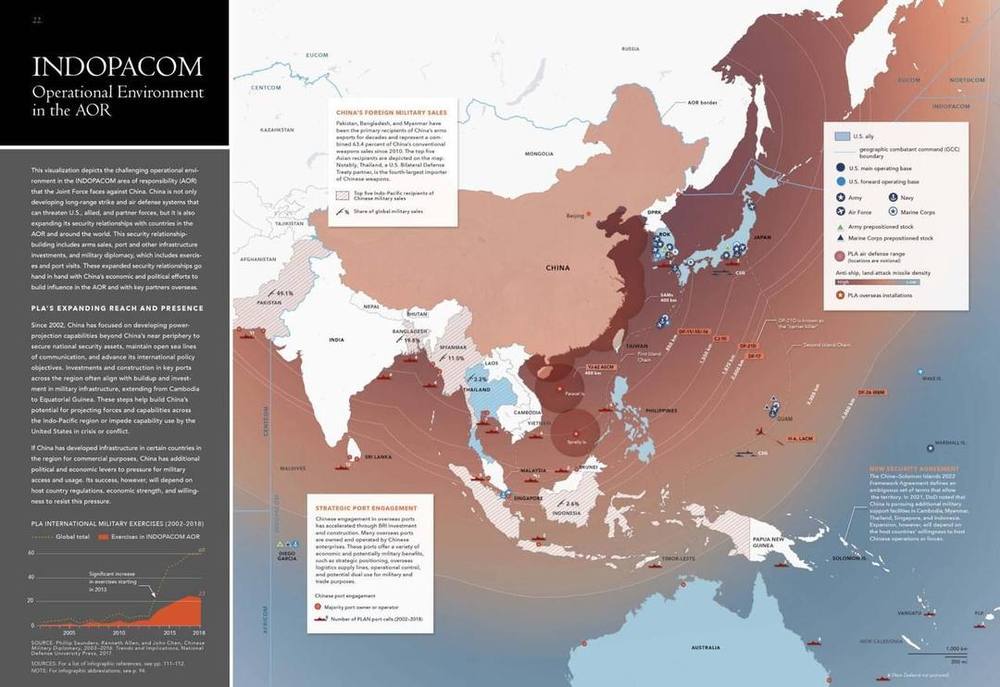
This infographic maps the complex operational picture in the INDOPACOM area of responsibility, where the United States confronts China.
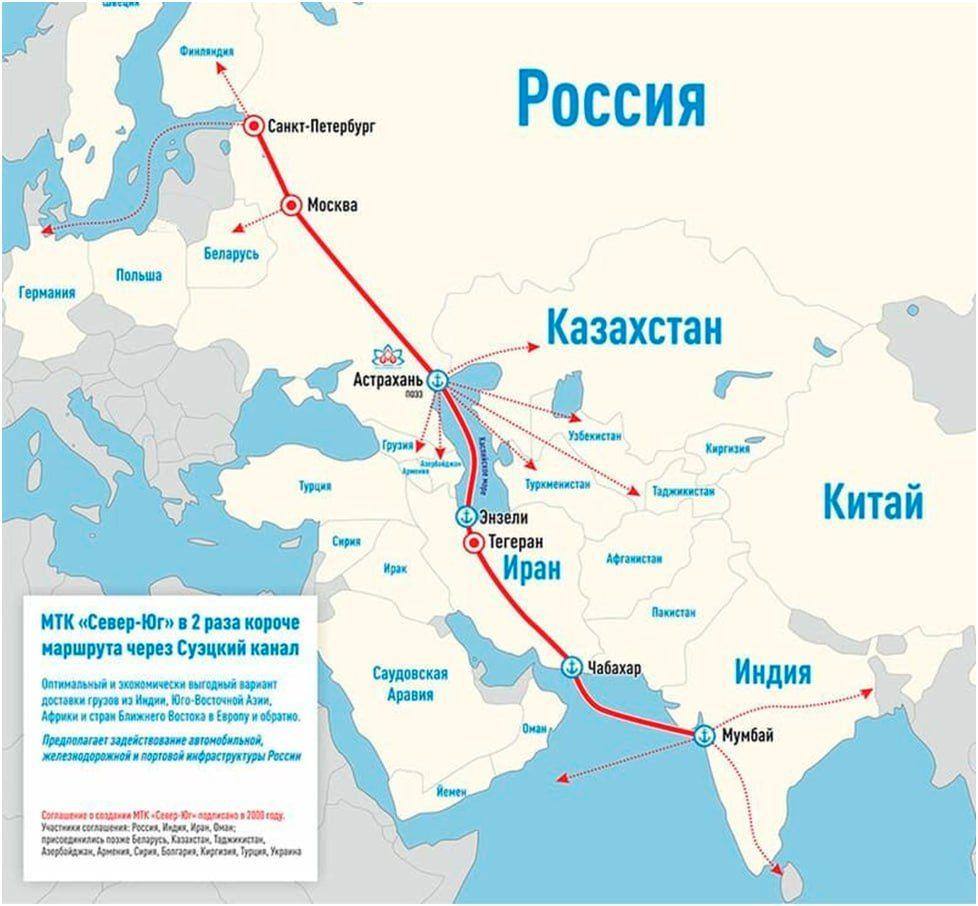
The International North–South Transport Corridor is an ambitious 7,200-km multimodal route from St Petersburg to Mumbai. Because every branch of it runs through Iran, the country has become the corridor's pivotal link.
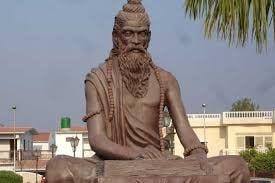
Patanjali, the ancient Indian philosopher and founder of yoga, on inspiration, the power of the mind, and how love and hatred alike return to their source.
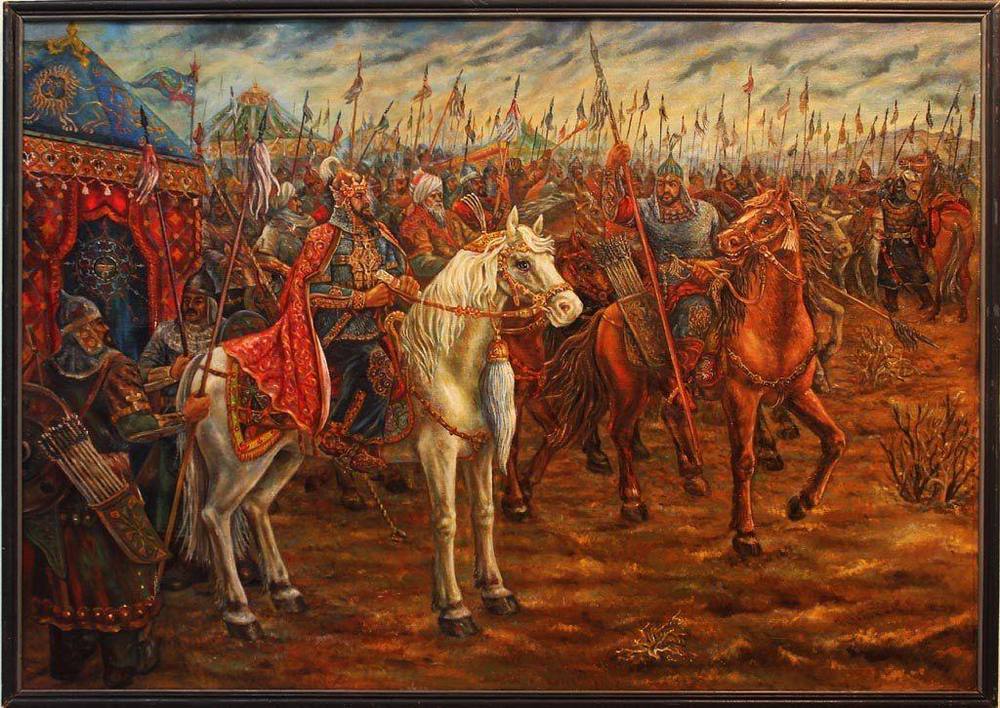
In my view, though I may be mistaken, the Great Temur ranks first among the greatest commanders in all history, followed by Genghis Khan, Alexander the Great and Hannibal Barca.
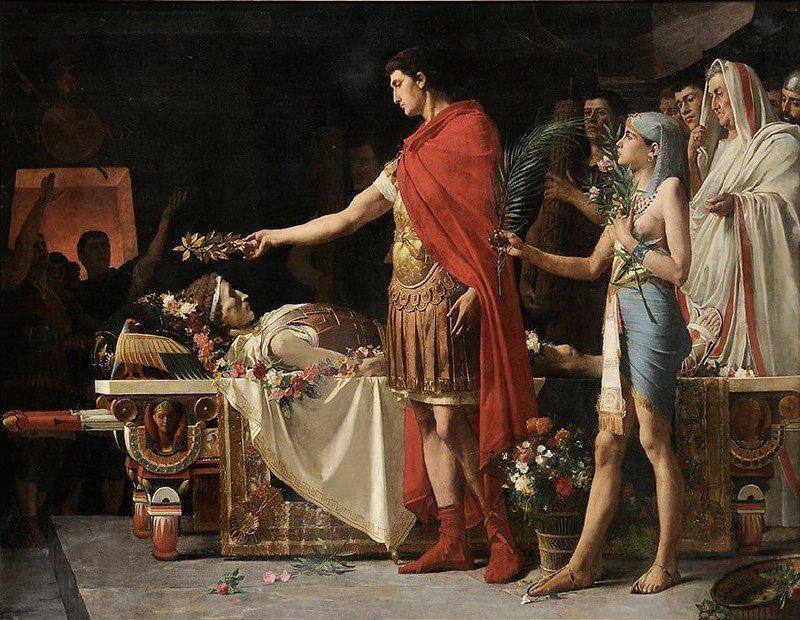
Alexander the Great on fortune, victory and ambition, followed by a short account of his life, his conquests and the empire that broke apart after his death.
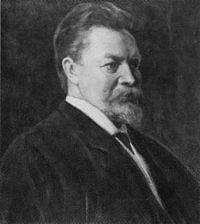
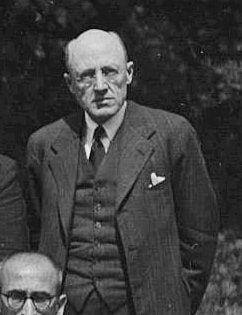
Rudolf Kjellén (1864–1922) was a Swedish geographer and political figure who considered himself a pupil of Friedrich Ratzel. His doctrine treated the state as a living organism and defined the great powers by three spatial factors.
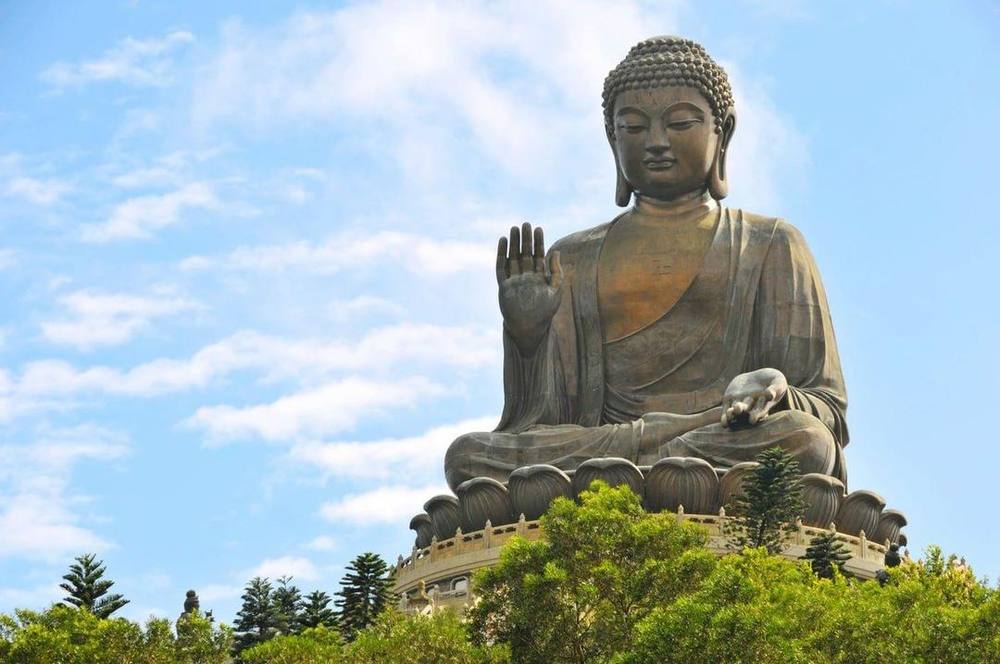
Mind precedes all phenomena. When the mind is known, all phenomena are known.
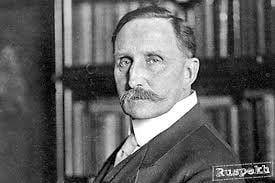
Karl Haushofer (1869–1946) was born in Munich, Germany, into a professor's family. He served in the army for more than 20 years and became the author of an original theory of the continental bloc and of pan-regions.
China controls 62% of the global electric vehicle market and holds on to its lead in electric transport.
According to an IMF report, artificial intelligence affects occupations differently: some face a high risk of replacement, others are safe.
In response to the 10% tariffs the United States imposed on imports from China, Beijing introduced additional duties of 15% on US coal and liquefied natural gas (LNG), and 10% on American oil, agricultural machinery, large-engine cars and pickups.
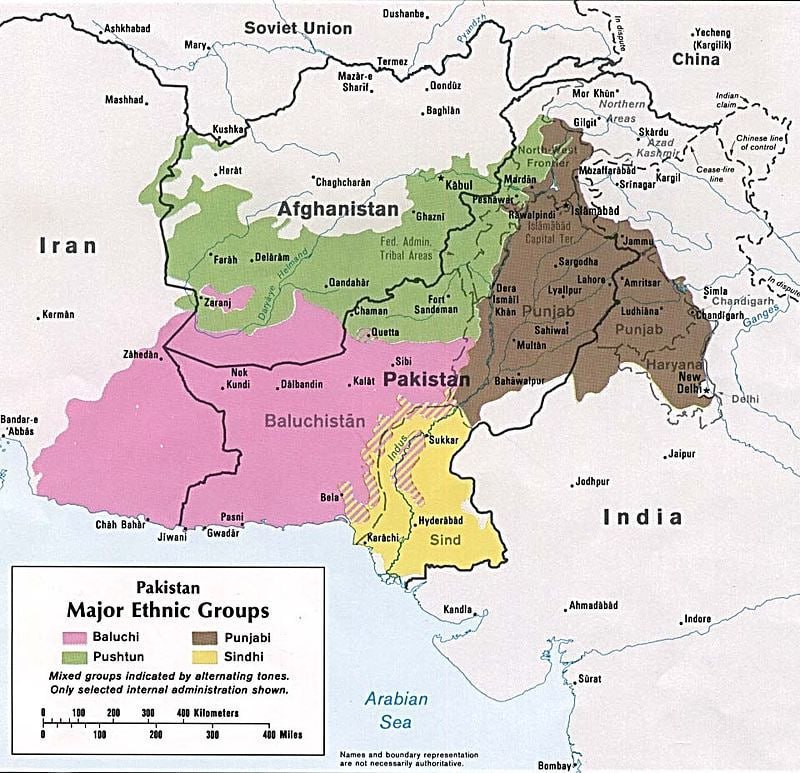
The China–Pakistan Economic Corridor (CPEC) is a flagship of Beijing's Belt and Road Initiative, linking Pakistan's Gwadar and Karachi ports to China's Xinjiang region. Its cost has risen from an initial $46 billion to $65 billion.
Work on the multimodal Belarus–Russia–Kazakhstan–Uzbekistan–Afghanistan–Pakistan corridor to Indian Ocean ports began in August 2022. Pakistan signed up in September 2024, and the route is meant to give landlocked Central Asia access to the sea.
The eastern sea corridor linking the Indian port city of Chennai with Vladivostok, Russia's largest Pacific port, is back in service. It cuts cargo delivery times from 40 to 24 days compared with the Suez Canal route.
The Chagos Archipelago, some 500 km south of the Maldives, hosts the Diego Garcia base, which lets the United States and Britain control sea lanes between South-East Asia, South Asia, the Middle East and Africa. In October 2024 Britain agreed to hand sovereignty over the islands to Mauritius while keeping the base for 99 years.
In September 2023, on the sidelines of the G20 summit in New Delhi, India, the United States, the UAE, Saudi Arabia and the EU announced plans for the India–Middle East–Europe Corridor (IMEC). It is meant to speed up trade and deepen economic integration between Asia, the Gulf and Europe — but war in the Middle East now threatens it.
According to the IEA, 83% of the coal mined worldwide is consumed in the Asia-Pacific region, with China alone accounting for more than half of global consumption. India and Indonesia are also increasing their use of coal year after year.
Rudolf Kjellén (1864–1922) was a Swedish geographer and political figure who coined the term geopolitics. His doctrine treated the state as a living organism and ranked the great powers by space, cohesion and freedom of movement.
On 9 September this year former ECB president Mario Draghi presented the European Commission with a report on the future of the European economy, arguing that the EU must mobilise €750–800 billion a year to stay competitive.
Friedrich Ratzel is regarded as the founder of geopolitics as a scientific discipline. His doctrine of the state as a living organism that must expand its living space justified German territorial expansion.
The 16th BRICS summit ran in Kazan from 22 to 24 October this year under Russia's chairmanship. No new members were admitted, and the group ruled out a single currency.
An aircraft carrier is a floating airbase that projects a country's military and economic power at sea. Eleven countries operate carriers today, and NATO members together with Japan have 20 between them.
According to the American analytics and engineering firm BryceTech, SpaceX has tripled its rocket launches over the past two years and leads the world, while China, Russia and India are all stepping up their programmes.
The Cold War divided the planet into three worlds; after the Soviet bloc collapsed, the concepts of the Global North and the Global South took shape.
The Wakhan Corridor is a narrow strip of land in the Wakhan region of Badakhshan Province in eastern Afghanistan.
According to the International Energy Agency, electricity demand in China's economy will grow to 10,498 TWh by 2025, more than double US demand of 4,475 TWh.
According to the US Geological Survey (USGS), identified lithium resources worldwide grew significantly in 2023, to about 98 million tonnes.
On 12 September 2000, at the second Euro-Asian Transport Conference in St Petersburg, Russia, India and Iran signed an intergovernmental agreement to create the International North–South Transport Corridor.
A World Bank chart tracing the growth of the world economy over the past two thousand years. World GDP grew by just 20% in the first millennium but has doubled every 20–25 years in recent decades.
India has enormous long-term potential for industrial development. Nearly half its working population is still employed in agriculture, and mechanisation will push that labour into the cities and into industry.
According to the IMF, the combined GDP of the G7 reached $45.9 trillion in 2023, one and a half times the size of the BRICS economies.
Defence spending rose at its fastest rate in a decade in 2023, reaching $2.443 trillion worldwide, with NATO accounting for 55% of the total.
Saudi Arabia's decision not to renew its era-defining security agreement with the United States, the sale of oil for dollars, reflects both America's declining global influence and where most Saudi oil is now sold.
Bloomberg and IMF forecasts put China first for contributions to global growth in 2024–2029, ahead of the G7 combined, with India second and Indonesia third.
Ibn Khaldun's theory of asabiya explains the rise and fall of elites, and it still reads true today. The piece then turns to Saudi Arabia's demography and the mounting pressure of Yemen's population growth.
Saudi Arabia is the largest regional power on the Arabian Peninsula and the birthplace of Islam, which arose in Mecca and Medina in the 7th century.
Japan's Sixth Energy Plan targets 38% renewables and 20% nuclear by 2030, while coal and gas lose ground. Yet total power generation has been falling since 2010.
India is the world's most populous country and its third-largest economy, yet coal still provides more than 80% of its electricity. This chart breaks down Indian power generation by source.