






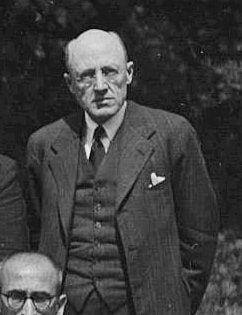



“…In private life a person needs the support of others, and the rules of that support are governed by attachment, friendship and love. It follows that the more friends a person has, the easier it will be to attain perfection”;
“…No one should practise several crafts at once, because this goes against nature, and such a person will never achieve a good result, for every craft demands proper attention and time”;
“When someone is speaking about something, the listener, even if he knows the subject, should not show himself informed until the other person has finished speaking”;
“One should not talk too much, for excessive talkativeness is a sign of arrogance and mental frivolity and a cause of lost respect and insufficient seriousness.”
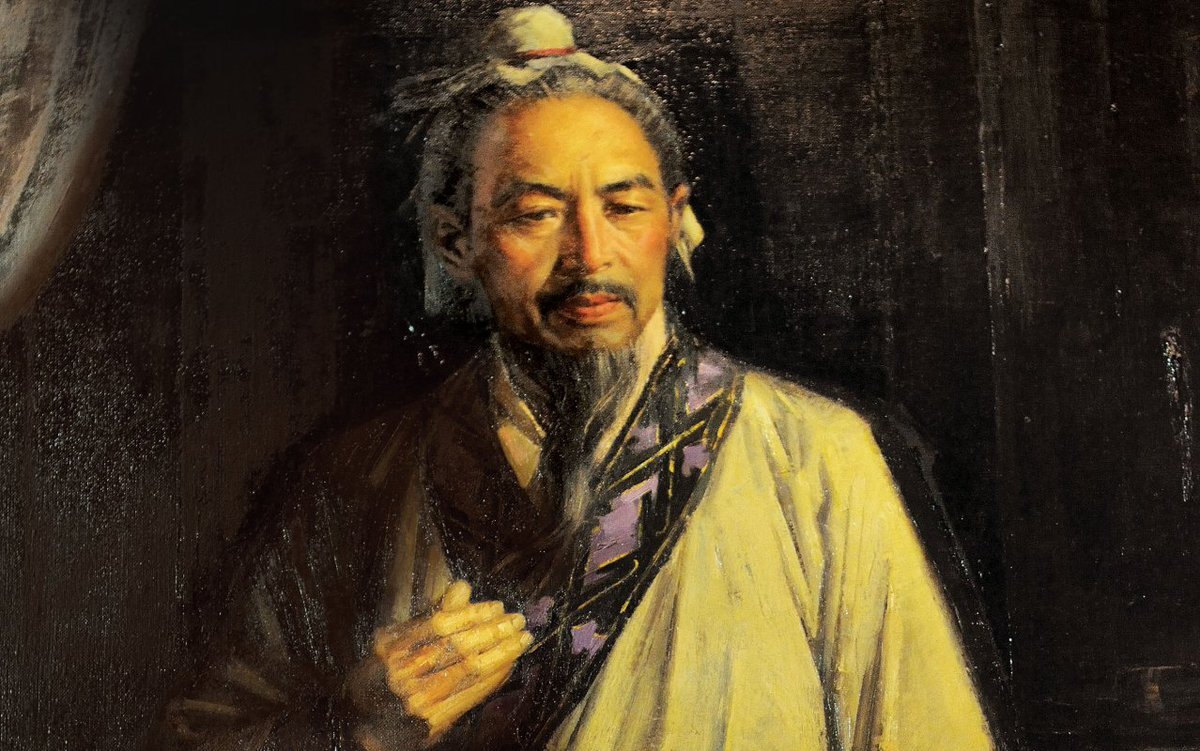
(Jalal al-Din Davani (1426–1502) was an eminent Persian philosopher, theologian, jurist and poet.)
A striking episode in Davani’s life is that his father personally oversaw his education, giving him his first grounding in philosophy, mathematics, theology and the Persian language. Not every father devotes his time to raising his son! When Davani moved to the city of Shiraz, in Iran, while still a teenager, he studied theology, philosophy, logic, Islamic law and hadith under well-known teachers there.
This remarkable, seasoned thinker and statesman lived through three eras and three rulers:
-
The Kara Koyunlu state, a union of Oghuz Turkic nomadic tribes led by a Shia Turkoman dynasty (the term for Oghuz Turkic peoples) from the Oghuz Iva clan. It occupied the territory of present-day Azerbaijan, Armenia, Iraq, north-western Iran and eastern Türkiye, and lasted from 1410 to 1468. The last sultan of Kara Koyunlu, Mirza Yusuf, appointed Davani as religious leader of one of the mosques in Shiraz.
-
The Ak Koyunlu state, a tribal confederation of Turkoman tribes headed by the Bayandur tribe, which absorbed the Kara Koyunlu state in 1467 and lasted until the Safavid conquest of 1501–1503. The Ak Koyunlu state occupied eastern Türkiye, Armenia, Azerbaijan, Iraq and most of Iran, and also subjugated Oman. Davani dedicated his ethical treatise “The Magnificent Manners” to the great Ak Koyunlu ruler Uzun Hasan, and also wrote the work “Arz-nama”, dedicated to another ruler, Khalil, who came to power after Uzun Hasan. In 1478 Davani was appointed chief judge of Fars province, a post he held until 1490.
-
The Safavid state (Safavid Iran), created with the help of the Turkoman Qizilbash tribal confederation under Sheikh Ismail I of the Safavid Sufi order. It existed from 1501 to 1722 and was named after the Iranian Safavid dynasty that ruled it. The founder of the Safavid dynasty was Safi al-Din, founder of the Safavid Sufi order.
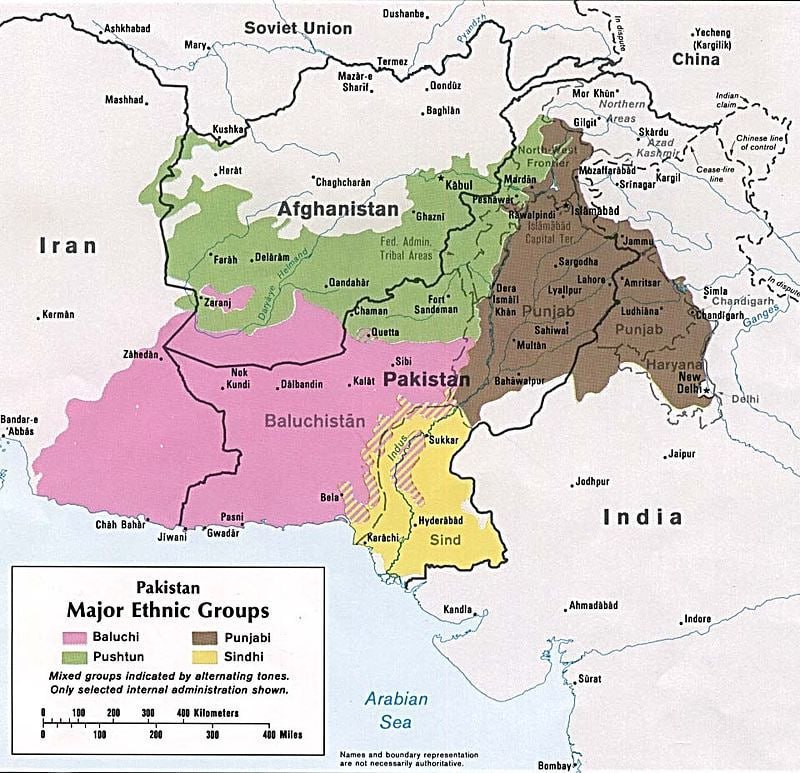
The territory of the Safavid state included present-day Azerbaijan, Iran, Armenia, Georgia, Turkmenistan, Afghanistan, Iraq, eastern Türkiye, Kuwait and Bahrain, as well as parts of Pakistan, southern Uzbekistan with Tajikistan, eastern Syria and southern Russia (the city of Derbent in the Republic of Dagestan). As can be seen, the Safavid state absorbed the Ak Koyunlu state).
Davani spent his last years in the Safavid state. He was drawn to Sufism (tasawwuf), an ascetic and mystical current in Islam and one of the strands of Muslim philosophy, embracing both doctrine and spiritual practices aimed at a person’s struggle against hidden inner vices and the spiritual education of the self.
Davani wrote more than 60 books on theology, philosophy, logic, jurisprudence, mathematics, ethics, Persian literature and the occult sciences. His chief work is considered to be “Sharh-e Aqa’id-e Azodi”, which remains an important treatise for Sufis to this day. Davani also dedicated works on the philosophy of Illuminationism (Ishraqism, one of the currents of Sufism) to Sultan Mahmud Shah I, ruler of Gujarat in western India, and to the Ottoman sultan Bayezid II.