


China's strategic depth and the clash of its interests with those of the United States in the Asia-Pacific
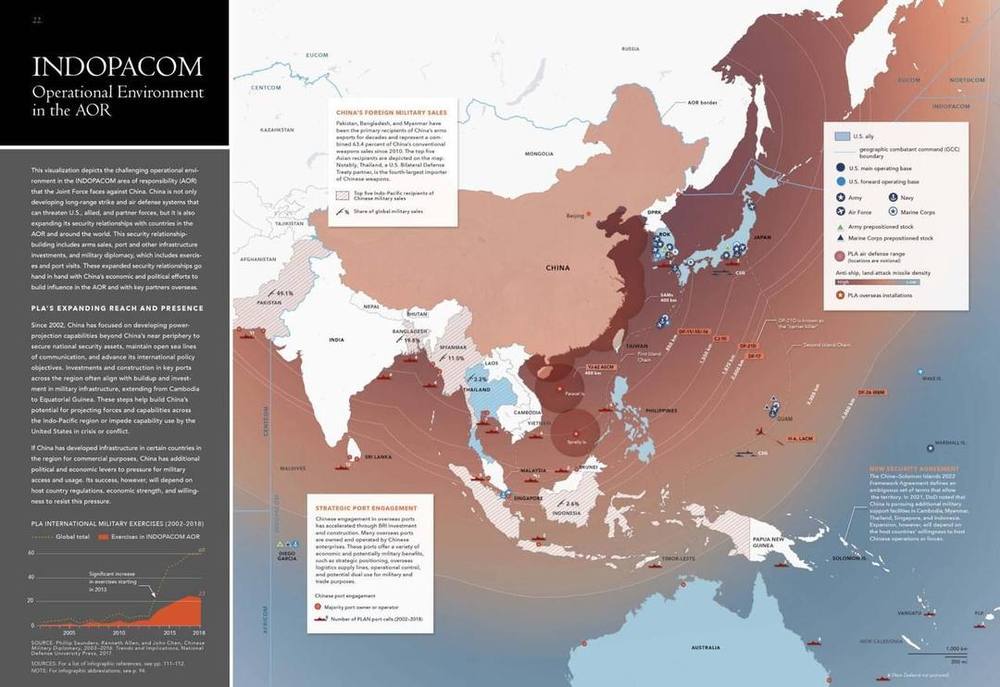
This infographic maps the complex operational picture in the INDOPACOM area of responsibility, where the United States confronts China.
This infographic maps the complex operational picture in the INDOPACOM area of responsibility, where the United States confronts China.
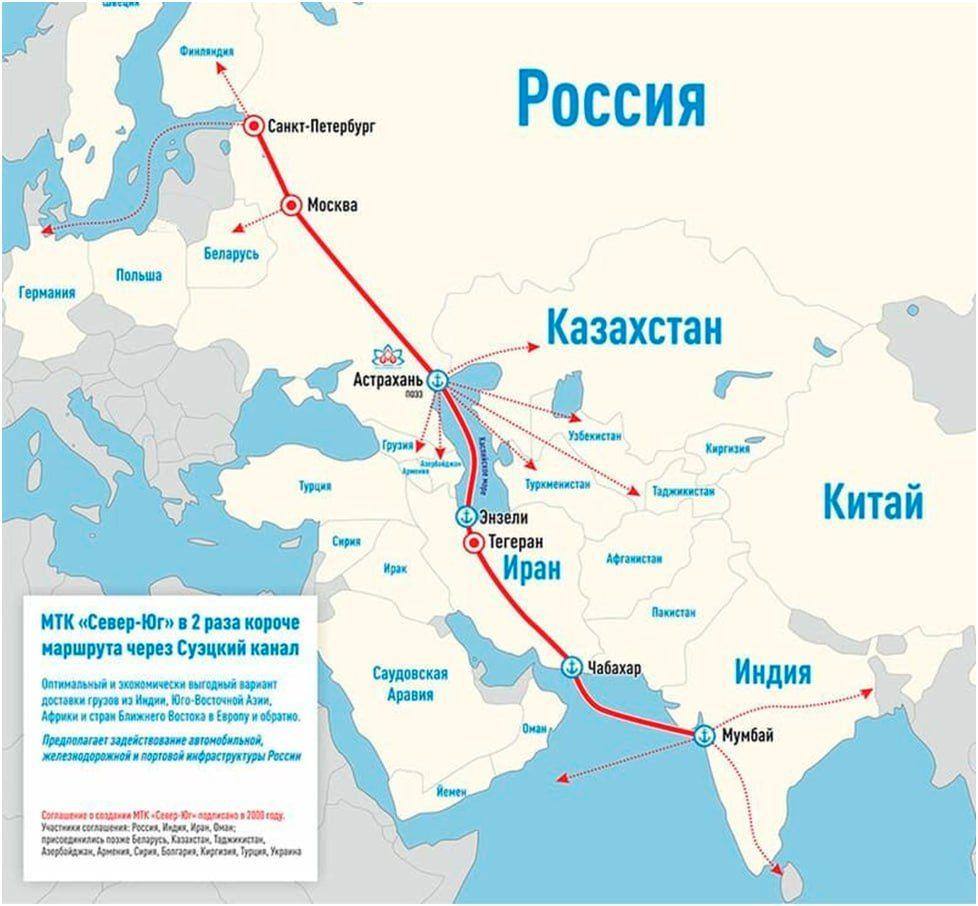
The International North–South Transport Corridor is an ambitious 7,200-km multimodal route from St Petersburg to Mumbai. Because every branch of it runs through Iran, the country has become the corridor's pivotal link.
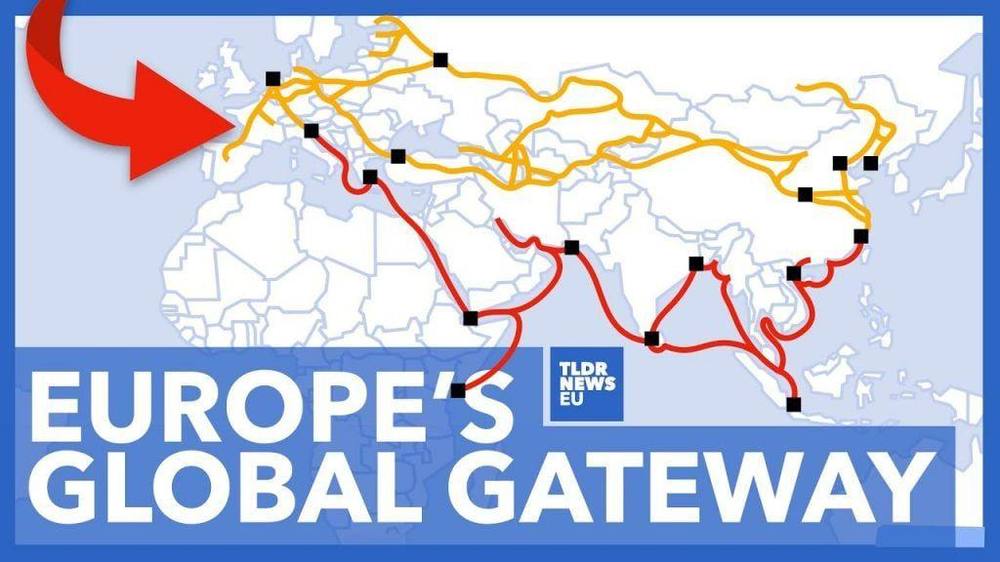
The European Union's Global Gateway strategy aims to speed up digital, energy and environmental transformation in emerging and developing economies, mobilising €300 billion of investment by 2027.
The Development Road international transport corridor (ITC) is intended to link the Persian Gulf with Europe through Iraq and Türkiye.
The Panama Canal is a lock-type waterway owned by Panama that links the Atlantic and Pacific oceans. It carries 2.5% of world maritime trade a year and 40% of US container traffic.
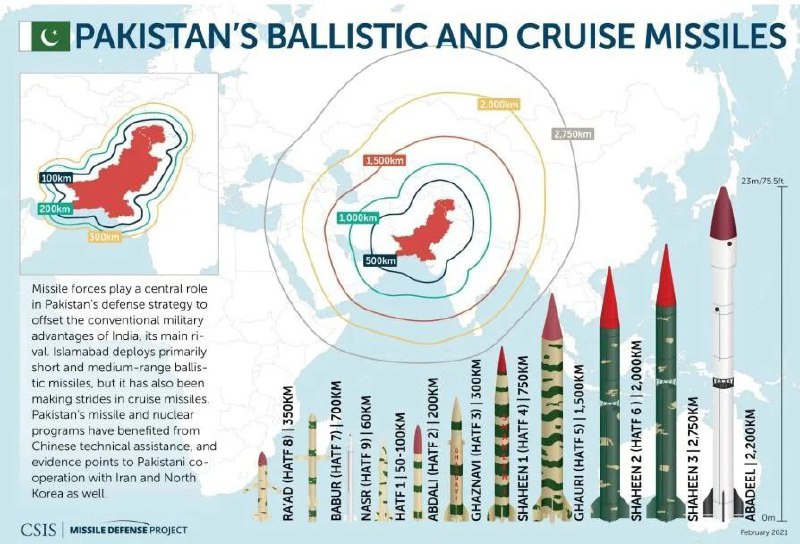
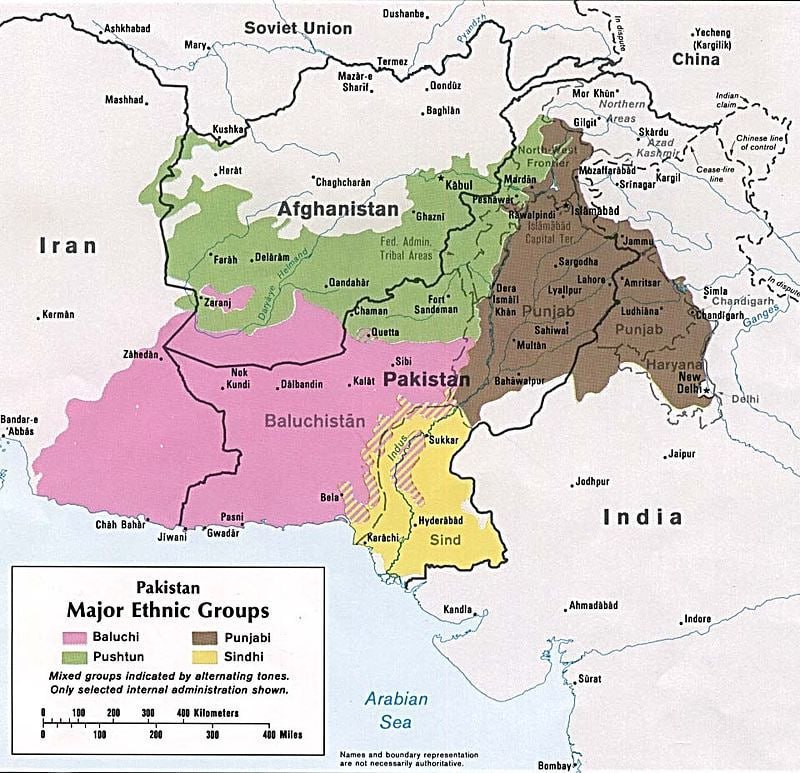
The China–Pakistan Economic Corridor (CPEC) is a flagship of Beijing's Belt and Road Initiative, linking Pakistan's Gwadar and Karachi ports to China's Xinjiang region. Its cost has risen from an initial $46 billion to $65 billion.
Pakistan's location makes it a natural bridge between landlocked Central Asia and the Arabian Sea, according to The News on Sunday. Regional trade integration could add up to 1.7% to Pakistan's GDP.
Work on the multimodal Belarus–Russia–Kazakhstan–Uzbekistan–Afghanistan–Pakistan corridor to Indian Ocean ports began in August 2022. Pakistan signed up in September 2024, and the route is meant to give landlocked Central Asia access to the sea.
The eastern sea corridor linking the Indian port city of Chennai with Vladivostok, Russia's largest Pacific port, is back in service. It cuts cargo delivery times from 40 to 24 days compared with the Suez Canal route.
In September 2023, on the sidelines of the G20 summit in New Delhi, India, the United States, the UAE, Saudi Arabia and the EU announced plans for the India–Middle East–Europe Corridor (IMEC). It is meant to speed up trade and deepen economic integration between Asia, the Gulf and Europe — but war in the Middle East now threatens it.
The Jerusalem Post, citing Iranian state media, reports that Iran's foreign minister has held talks with Turkmenistan and Uzbekistan as part of a drive to deepen trade and transport ties across Central Asia and offset its losses from severed ties with the West.
The Middle East is not only the world's larder, with its vast oil, gas and uranium wealth, but also the most important intersection of global transport corridors. What happens if war closes the Strait of Hormuz, the Bab-el-Mandeb Strait and the Suez Canal?
The Wakhan Corridor is a narrow strip of land in the Wakhan region of Badakhshan Province in eastern Afghanistan.
On 12 September 2000, at the second Euro-Asian Transport Conference in St Petersburg, Russia, India and Iran signed an intergovernmental agreement to create the International North–South Transport Corridor.