




The world's largest economies by 2050: Saudi Arabia
Ibn Khaldun's theory of asabiya explains the rise and fall of elites, and it still reads true today. The piece then turns to Saudi Arabia's demography and the mounting pressure of Yemen's population growth.
“The world’s largest economies by 2050” (Saudi Arabia)
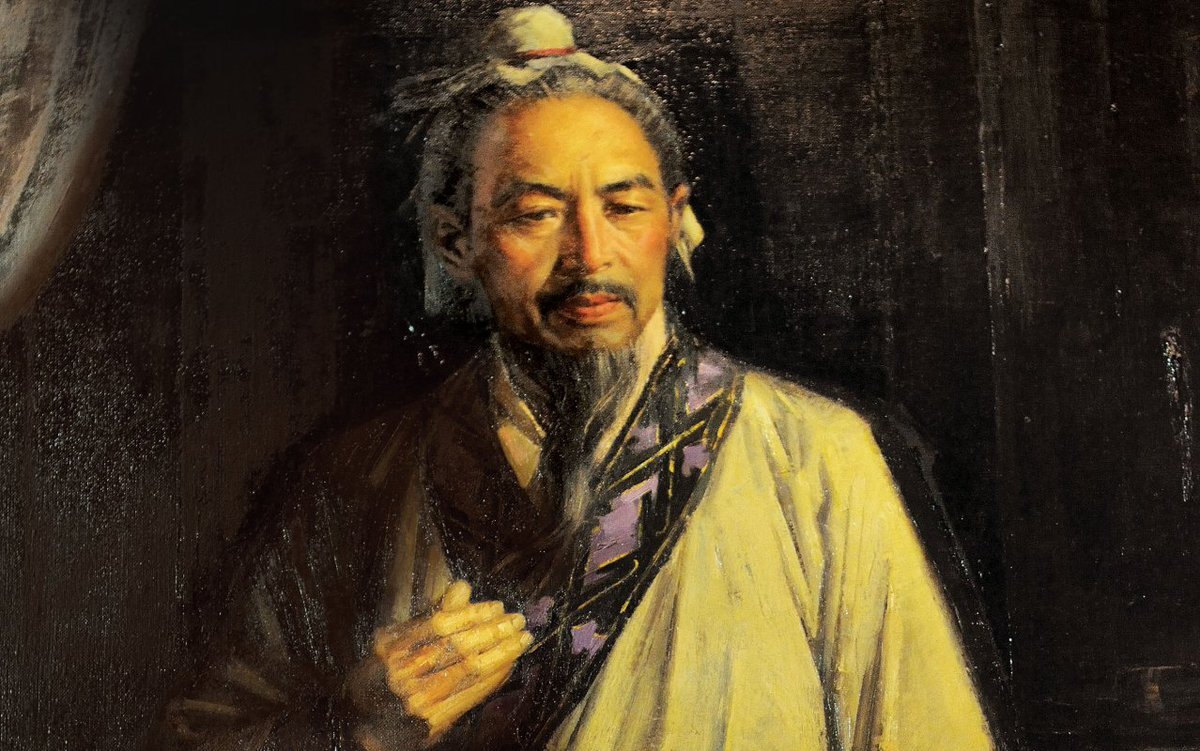
I want to dwell a little on the theory of “asabiya” set out by Ibn Khaldun in the Muqaddimah, because it shows how far ahead of his own time, and of ours, this thinker was.
Asabiya means cohesion and unity, group consciousness, a sense of common purpose and social solidarity. In Ibn Khaldun’s view, asabiya is the main driving force of history: the birth, growth and fall of civilisations. He argued that asabiya is strongest at the birth of a civilisation, when the tribes of the “desert” defeat civilised countries whose asabiya is weaker and establish a ruling dynasty. Ibn Khaldun finds the highest level of asabiya, for instance, among people whose lives are full of danger, since cohesion and a shared purpose are especially strong in such groups. He also holds that under civilisation asabiya inevitably weakens, and that after roughly four or five generations of the ruling class the state a civilisation has built destroys itself through internal conflict. In other words, each successive generation of the ruling elite is weaker than the last, in conditions of civilisation, as the energy of asabiya and of unity around a single goal drains away and the elite turns to luxury. Ibn Khaldun was right to stress the importance of asabiya in history!
“The world’s largest economies by 2050” (Saudi Arabia)
This claim of Ibn Khaldun’s can be seen in the rise and fall of almost every empire of the past. It is visible today, too, in the present state of national elites in the West. There have long been no politicians of the calibre of Charles de Gaulle in France (who restored France’s standing on the international stage, took part in the First and Second World Wars and knew the hardships of war), Georges Pompidou (who contributed greatly to cultural development in France and took part in the Second World War) and François Mitterrand (who adopted a series of significant economic and social measures and took part in the Second World War); Helmut Kohl in Germany (who achieved unprecedented growth in the German economy, united West and East Germany into a single country and became one of the founders of the EU. Kohl was an energetic and highly ambitious politician, was mobilised at the end of the Second World War but did not see combat, and his elder brother died in the war); Winston Churchill (considered the most outstanding prime minister in British history; he saw action in British India, the Mahdist War and the Second Boer War, led the Gallipoli campaign in the First World War and directed Britain’s military operations against Germany in the Second World War); and Margaret Thatcher in the United Kingdom (who set a record for the longest time in office as prime minister, 11.5 years, winning three elections. She is known for her large-scale social, political and economic measures to modernise the country, and for her foreign-policy successes, chief among them victory over Argentina in the Falklands War, which helped revive British national self-awareness and restore the country’s influence in world politics, and the establishment of a solid political dialogue with the USSR, among much else). Much could be said about the history of Saudi Arabia, but let us leave it aside and turn to the economy. Next I will examine the Saudi economy.
“The world’s largest economies by 2050” (Saudi Arabia)
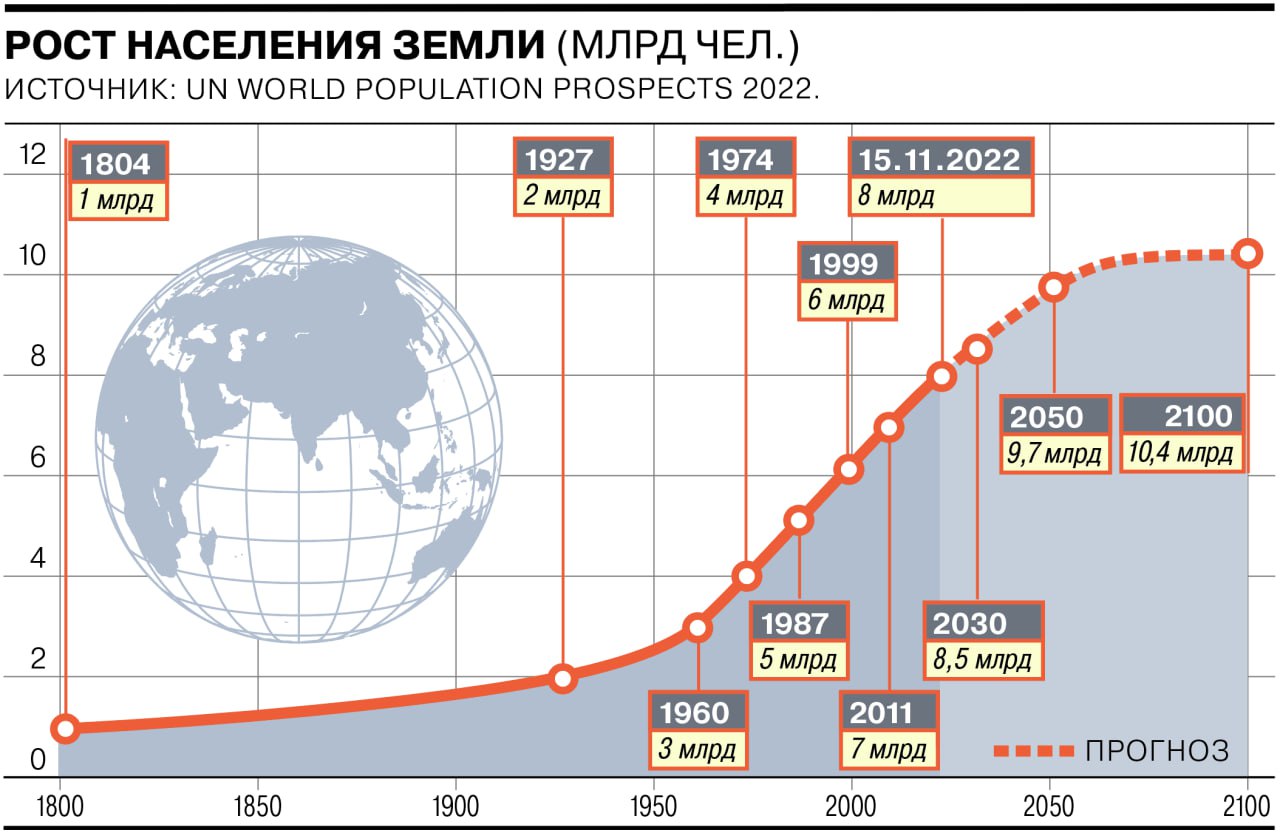
According to The Global Economy, Saudi Arabia’s population currently stands at 37 million (about the size of the population of the Republic of Uzbekistan), of whom 32% are immigrants living with their families and working in the country (although the 2022 census shows that Saudi citizens make up 58.4% and people from other countries 41.6%. According to 2019 UN figures, immigrants account for 38.3% of the country’s total population. Either way, the share of immigrants is very high!). In 2023 the country’s population grew by 1.47%, up from 1.27% in 2022 but still one of the lowest rates in the country’s history, except for 2020, when the population actually shrank by 0.13%. At the same time, Saudi Arabia’s historical average population growth from 1961 to 2023 is 3.46% a year.
“The world’s largest economies by 2050” (Saudi Arabia)
According to the same source, Saudi Arabia’s fertility rate stood at 2.39 children per woman in 2022 (well below Nigeria’s 4.72 and Egypt’s 3.53), which is also low by the country’s historical standards (7.67 children per woman in the 1960s, 2.26 in 2012, 2.24 in 2020 and 1.95 in 2021). As of 2022 the median age was 29. Saudi Arabia has passed the peak of its population explosion, and the fall in the birth rate is mainly due to the rapid pace of social and economic change; in other words, Saudis now live very well and do not want to have many children. The UN projects that under the medium scenario Saudi Arabia’s population will grow to 44 million by 2050, and under the high scenario to 50 million (the low scenario puts it at 38 million by 2050). Population growth is one of the most important drivers of any country’s economic development, alongside rising labour productivity and the availability of a resource base. Population growth also means a market for local companies and producers as they develop.
“The world’s largest economies by 2050” (Saudi Arabia)
An interesting point is that, according to the UN projection, Yemen’s population will grow to 54 million (it is now almost 35 million) under the medium scenario, and to 61 million by 2050 under the high one. It is hardly surprising that Yemen’s rapid population growth has become a destabilising factor in the Middle East, given that Yemen is desert and its growing population has little chance of earning an income because the economy is underdeveloped, while fresh water is also in short supply. Saudi Arabia will have to take responsibility for solving that country’s economic problems by investing in its economy while spending vast sums on its own defence; otherwise the pressure of Yemen’s population growth on Saudi Arabia will only grow year by year.
“The world’s largest economies by 2050” (Saudi Arabia)
This is visible in the armed clashes between Saudi forces and the Houthi army on the border between the two countries, in the Saudi provinces of Najran, Jizan and Asir (the Houthis are followers of the Yemeni movement Ansar Allah, founded in the early 1990s by Hussein al-Houthi. The movement emerged in the Zaydi community, adherents of one of the Shia currents in Islam. The Houthis make up about a third of Yemen’s population). During the clashes the Houthis attacked military bases and outposts in Saudi Arabia, seizing and destroying military facilities, and carried out strikes on Saudi oil installations, among other things. Another example is the Houthi blockade of and attacks on Israeli and Western-coalition merchant ships in the Red Sea, in response to Israel’s military operation in the Gaza Strip, launched on 7 October 2023. There are, of course, other geopolitical causes of these conflicts involving the Houthis, but Yemen’s demography is one of the key factors behind the worsening situation. I will examine the geopolitics of the Middle East in other pieces. For now, on to the Saudi economy.