
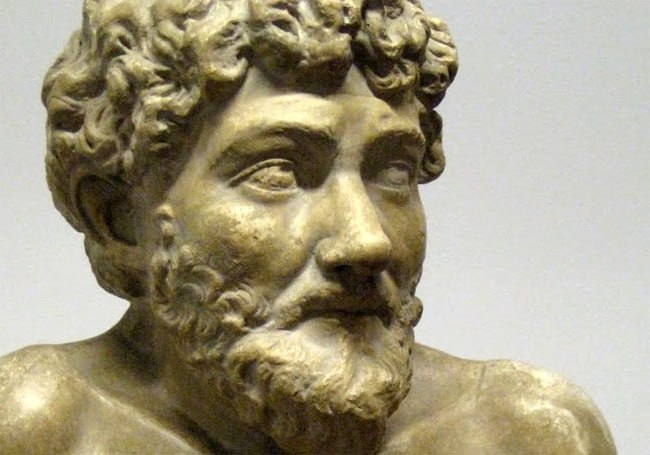

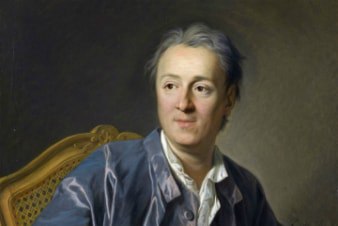
On the law issued in France to increase the population
Montesquieu on Louis XIV's pensions for large families and on how a depopulated state can be revived, from "The Spirit of the Laws".
Montesquieu on Louis XIV's pensions for large families and on how a depopulated state can be revived, from "The Spirit of the Laws".
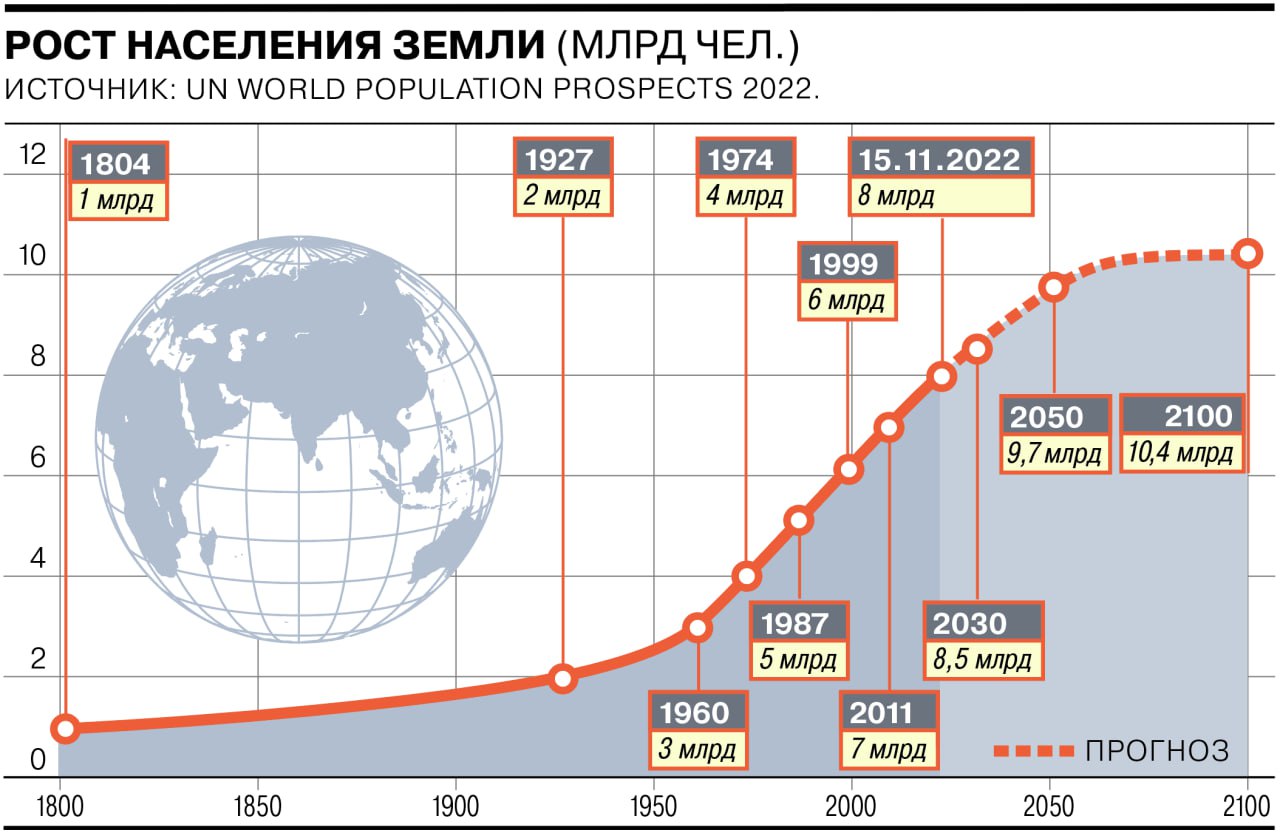
For a long time the world's population grew very slowly, passing 1 billion only in 1804; two centuries later it reached 8 billion. UN forecasts now expect growth to level off after the 2050s.
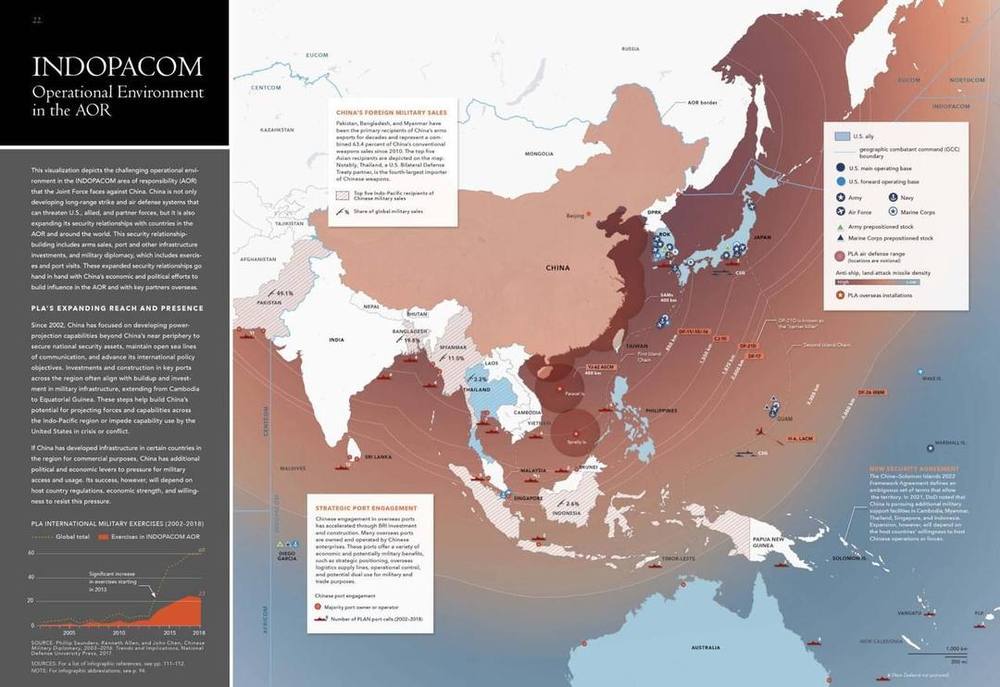
This infographic maps the complex operational picture in the INDOPACOM area of responsibility, where the United States confronts China.
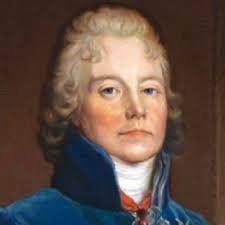
Talleyrand on the craft of government, the uses of flattery and the truth that in politics belief matters more than fact.
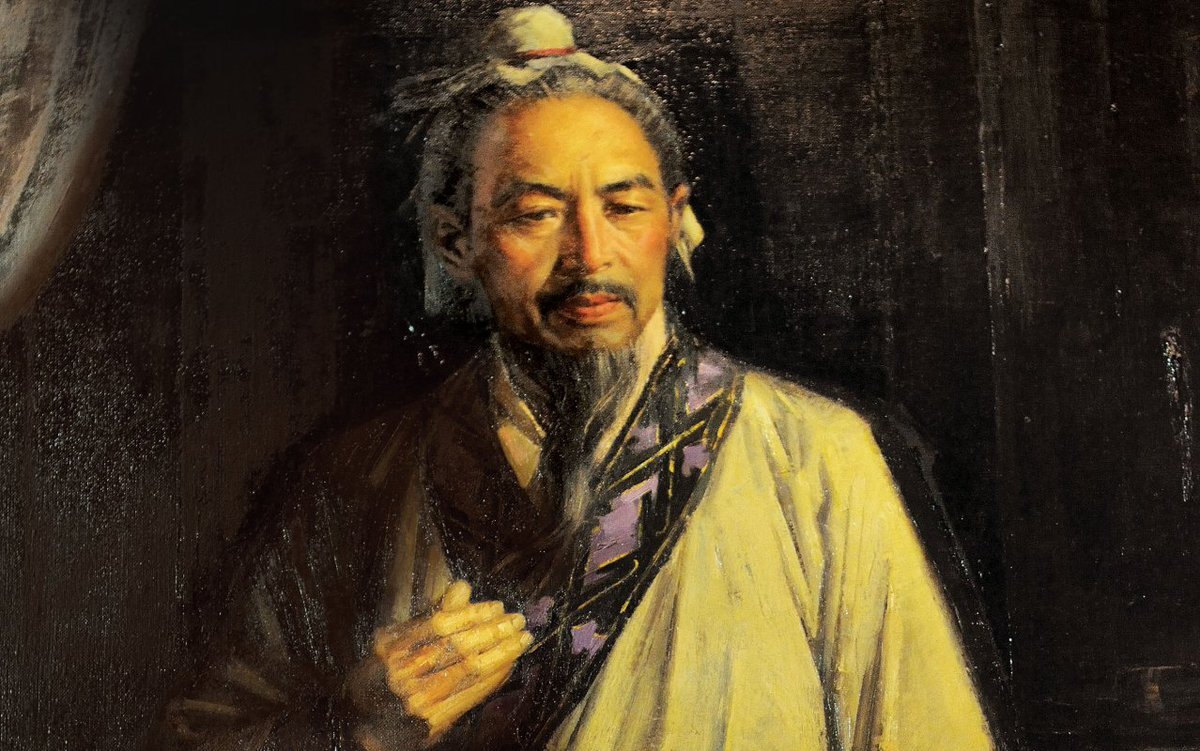
Ibn Khaldun on why dynasties seldom outlast three generations, and on asabiyyah as the force behind the rise and fall of civilisations.
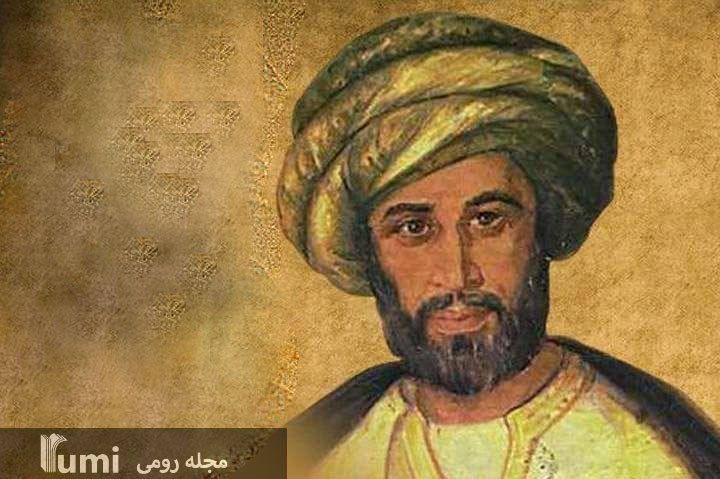
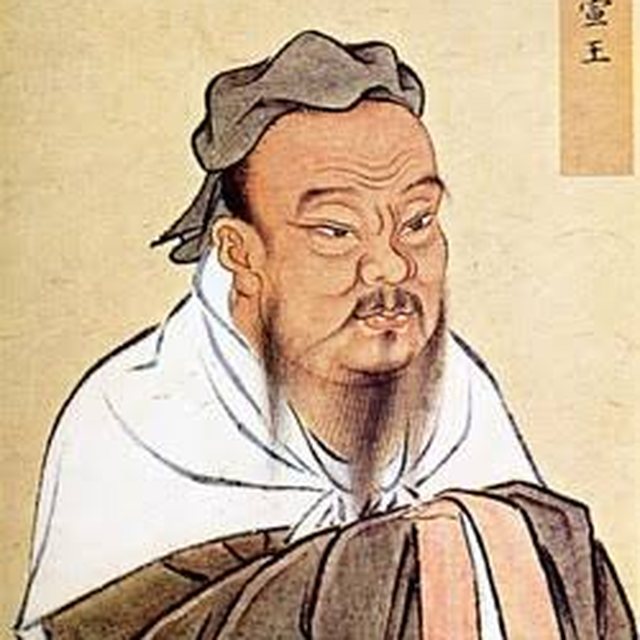
Abdullah ibn al-Muqaffa on self-respect, generosity and the discipline of silence, with an account of the Persian writer who gave Arabic its Kalila and Dimna.
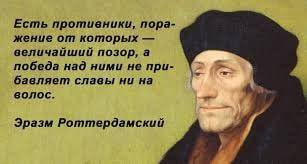
Erasmus of Rotterdam on books, friendship and self-love, with an account of the humanist scholar the Northern Renaissance called its prince.
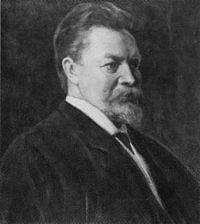
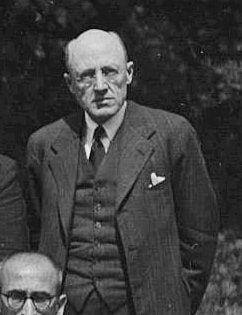
Rudolf Kjellén (1864–1922) was a Swedish geographer and political figure who considered himself a pupil of Friedrich Ratzel. His doctrine treated the state as a living organism and defined the great powers by three spatial factors.
China controls 62% of the global electric vehicle market and holds on to its lead in electric transport.
According to an IMF report, artificial intelligence affects occupations differently: some face a high risk of replacement, others are safe.
The Panama Canal is a lock-type waterway owned by Panama that links the Atlantic and Pacific oceans. It carries 2.5% of world maritime trade a year and 40% of US container traffic.
The Chagos Archipelago, some 500 km south of the Maldives, hosts the Diego Garcia base, which lets the United States and Britain control sea lanes between South-East Asia, South Asia, the Middle East and Africa. In October 2024 Britain agreed to hand sovereignty over the islands to Mauritius while keeping the base for 99 years.
In September 2023, on the sidelines of the G20 summit in New Delhi, India, the United States, the UAE, Saudi Arabia and the EU announced plans for the India–Middle East–Europe Corridor (IMEC). It is meant to speed up trade and deepen economic integration between Asia, the Gulf and Europe — but war in the Middle East now threatens it.
A further instalment on the thinkers of the German school of geopolitics, this time Friedrich Naumann's wartime vision of a German-led Mitteleuropa.
Rudolf Kjellén (1864–1922) was a Swedish geographer and political figure who coined the term geopolitics. His doctrine treated the state as a living organism and ranked the great powers by space, cohesion and freedom of movement.
According to the International Federation of Robotics, 545,000 industrial robots were installed at factories worldwide in 2022. Asia took 74% of them and China alone 53%.
On 9 September this year former ECB president Mario Draghi presented the European Commission with a report on the future of the European economy, arguing that the EU must mobilise €750–800 billion a year to stay competitive.
Friedrich Ratzel is regarded as the founder of geopolitics as a scientific discipline. His doctrine of the state as a living organism that must expand its living space justified German territorial expansion.
The 16th BRICS summit ran in Kazan from 22 to 24 October this year under Russia's chairmanship. No new members were admitted, and the group ruled out a single currency.
An aircraft carrier is a floating airbase that projects a country's military and economic power at sea. Eleven countries operate carriers today, and NATO members together with Japan have 20 between them.
Halford John Mackinder (1861–1947) was one of the great figures in the history of geopolitics, whose 1904 paper set out the Heartland theory that would shape the field for a century.
A World Bank chart tracing the growth of the world economy over the past two thousand years. World GDP grew by just 20% in the first millennium but has doubled every 20–25 years in recent decades.
According to the IMF, the combined GDP of the G7 reached $45.9 trillion in 2023, one and a half times the size of the BRICS economies.
Bloomberg and IMF forecasts put China first for contributions to global growth in 2024–2029, ahead of the G7 combined, with India second and Indonesia third.
Saudi Arabia plans up to 16 nuclear reactors worth more than $100 billion under Vision 2030, following the example of Türkiye, Egypt, Iran and the UAE.
Ibn Khaldun's theory of asabiya explains the rise and fall of elites, and it still reads true today. The piece then turns to Saudi Arabia's demography and the mounting pressure of Yemen's population growth.