




“The lifespan of a dynasty rarely exceeds three generations. In the first generation, the traits of a rough, uncivilised rural life are still preserved — harsh living conditions, courage, fierceness and partnership in power. The strength of asabiyyah therefore endures”;
“At the beginning of a dynasty, taxation yields a large revenue from small assessments. At the end of a dynasty, taxation yields a small revenue from large assessments”;
“Throughout history many nations have suffered physical defeat, but this has never marked the end of a nation. But when a nation falls victim to psychological defeat, that means the end of the nation”;
“If the soul is impartial in receiving information, it devotes to that information the share of critical investigation the information deserves, and thus its truth or falsehood becomes clear. But if the soul is infected with partiality for a particular opinion or sect, it immediately accepts the information that suits it. Prejudice obscures the critical faculty and excludes critical investigation. As a result, falsehood is accepted and passed on”;
“Sedentary culture is the goal of civilisation. It means the end of its life and leads to its corruption”;
“People, for the most part, are unaware of the interests of the human race”.
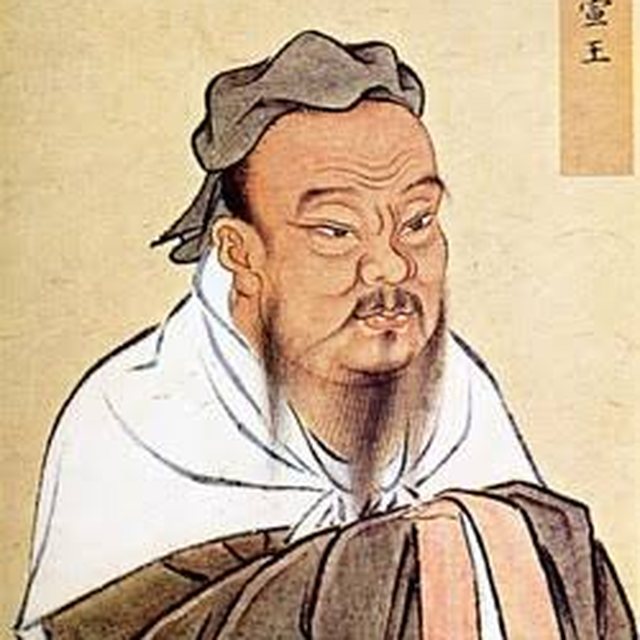
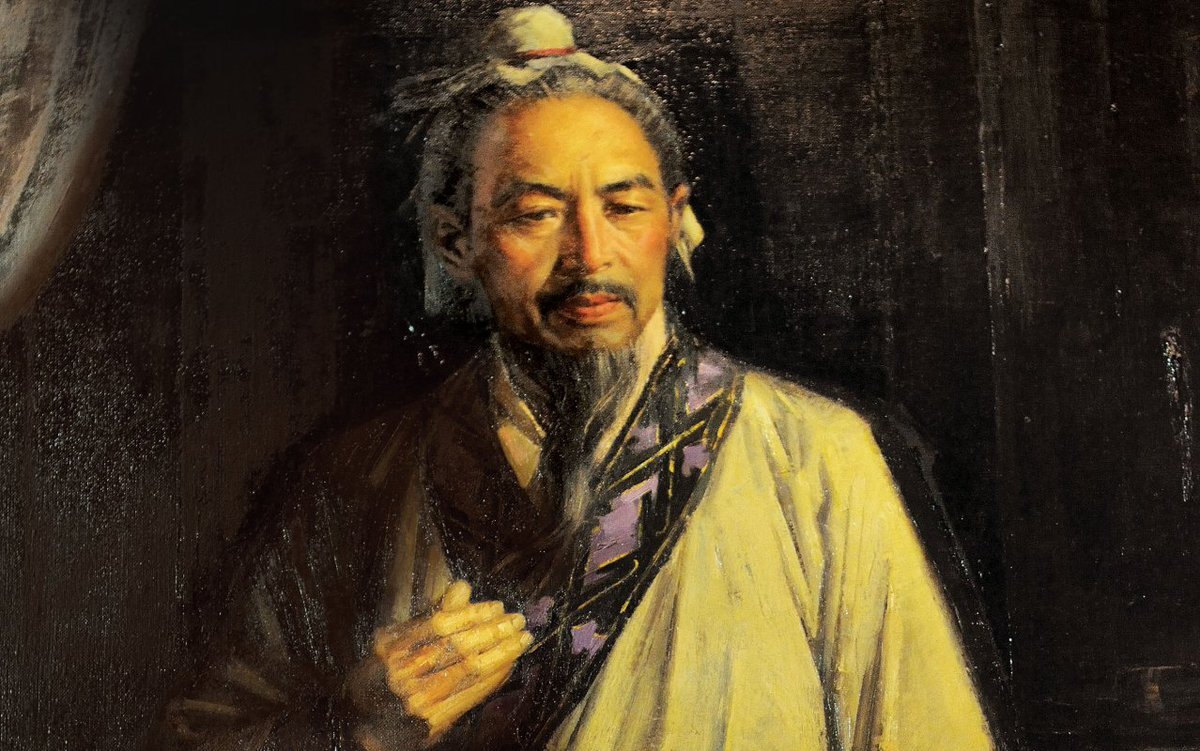
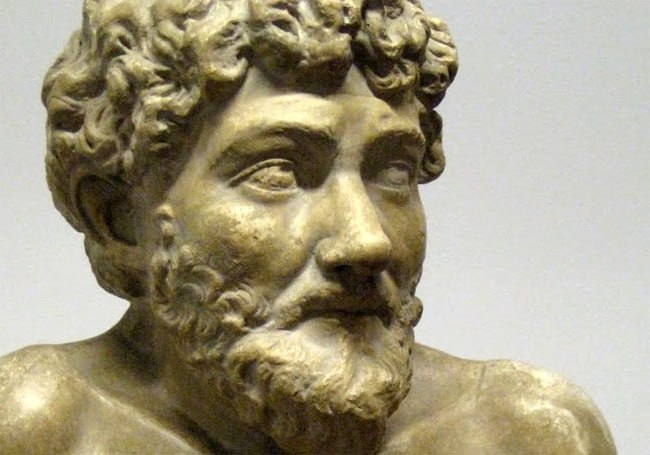
(Ibn Khaldun (1332–1406) was a major Arab Muslim philosopher, historian and social thinker.)
Ibn Khaldun (1332–1406) developed a historical and philosophical theory of social development that stands as a major achievement of Arab culture in the late Middle Ages. In his historical work “Muqaddimah” (An Introduction to History) he analysed the causes of the rise and decline of countries and peoples. He drew attention to the reduction of state spending on mercenary armies and opposed taxes and tariffs that hinder trade and production. In his view, a bureaucracy is unable to manage commercial activity effectively because of weak motivation and training. He held that in countries where the state takes part in trade and production, one should expect a relative decline in economic returns and, in time, decay.
Ibn Khaldun regarded these economic principles as the fundamental condition for building a civilised society. He recognised the value and necessity of the division of labour in social and economic life before Adam Smith (the Scottish economist and philosopher, one of the founders of economic theory and the founder of classical political economy, 1723–1790). He also anticipated David Ricardo (the English economist and classical political economist, 1772–1823) in discovering the labour theory of value, and examined the role of the state in stabilising the economy before John Maynard Keynes (the English economist and founder of the Keynesian school of economics, 1883–1946).
I should dwell a little on Ibn Khaldun’s theory of “asabiyyah” in the Muqaddimah, because it shows how profound this thinker was for his own time and for ours.
Asabiyyah means cohesion and unity, group consciousness, a sense of shared purpose and social solidarity. In Ibn Khaldun’s view, asabiyyah is the main driving force of history — of the birth, growth and fall of civilisations. He said that asabiyyah is strongest at the stage when a civilisation is born, when the tribes of the “desert” defeat civilised countries with weaker asabiyyah and form a ruling dynasty. Ibn Khaldun finds the highest level of asabiyyah, for instance, among people whose lives are full of danger, because cohesion and unity of purpose are very strong in such groups. He also argues that under civilisation asabiyyah inevitably weakens, and that after roughly 3–4 generations of the ruling class the state so formed destroys itself through internal conflict. Ibn Khaldun was right to stress the importance of asabiyyah in the history of civilisations!
This claim of Ibn Khaldun can be seen in the rise and fall of almost every empire of the past. Today it is also visible when one observes the current state of national elites in the West, where politicians of the calibre of Charles de Gaulle (who restored France’s authority on the international stage), Georges Pompidou (who contributed greatly to the development of culture in France) and François Mitterrand (who adopted a series of significant economic and social measures) in France, Helmut Kohl (who achieved unprecedented growth in the German economy, united the FRG and the GDR into a single country and became one of the founders of the EU; Kohl was an energetic and highly ambitious politician) in Germany, Winston Churchill (considered the most outstanding prime minister in British history) and Margaret Thatcher (who set a record for the longest time in office as prime minister — 11.5 years, winning three elections.
Margaret Thatcher is known for her sweeping social, political and economic measures to modernise the country, and for her foreign-policy successes, chief among them victory over Argentina in the Falklands War, which helped revive British national consciousness and restore the country’s influence in world politics, and the establishment of a solid political dialogue with the USSR, among much else in Britain.