

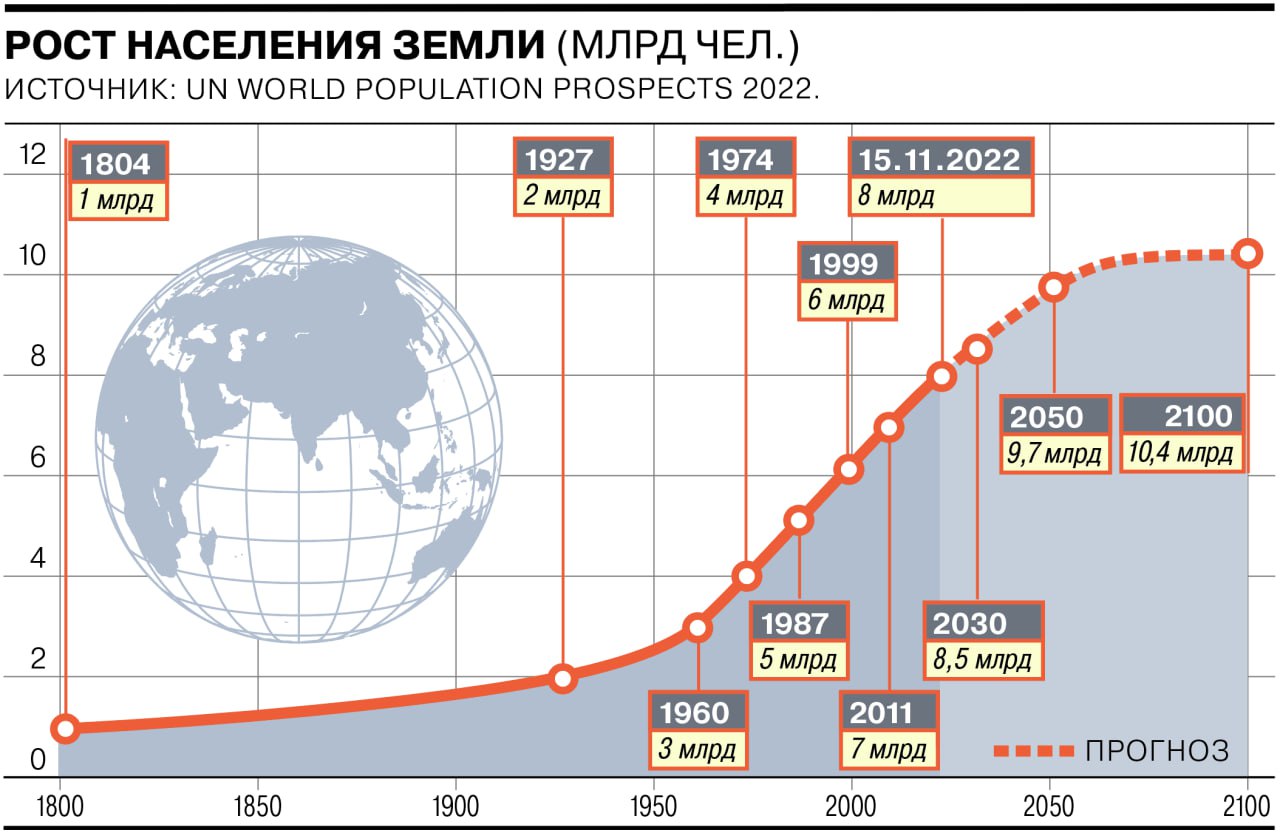
World population growth to 2100
For a long time the world's population grew very slowly, passing 1 billion only in 1804; two centuries later it reached 8 billion. UN forecasts now expect growth to level off after the 2050s.
For a long time the world's population grew very slowly, passing 1 billion only in 1804; two centuries later it reached 8 billion. UN forecasts now expect growth to level off after the 2050s.
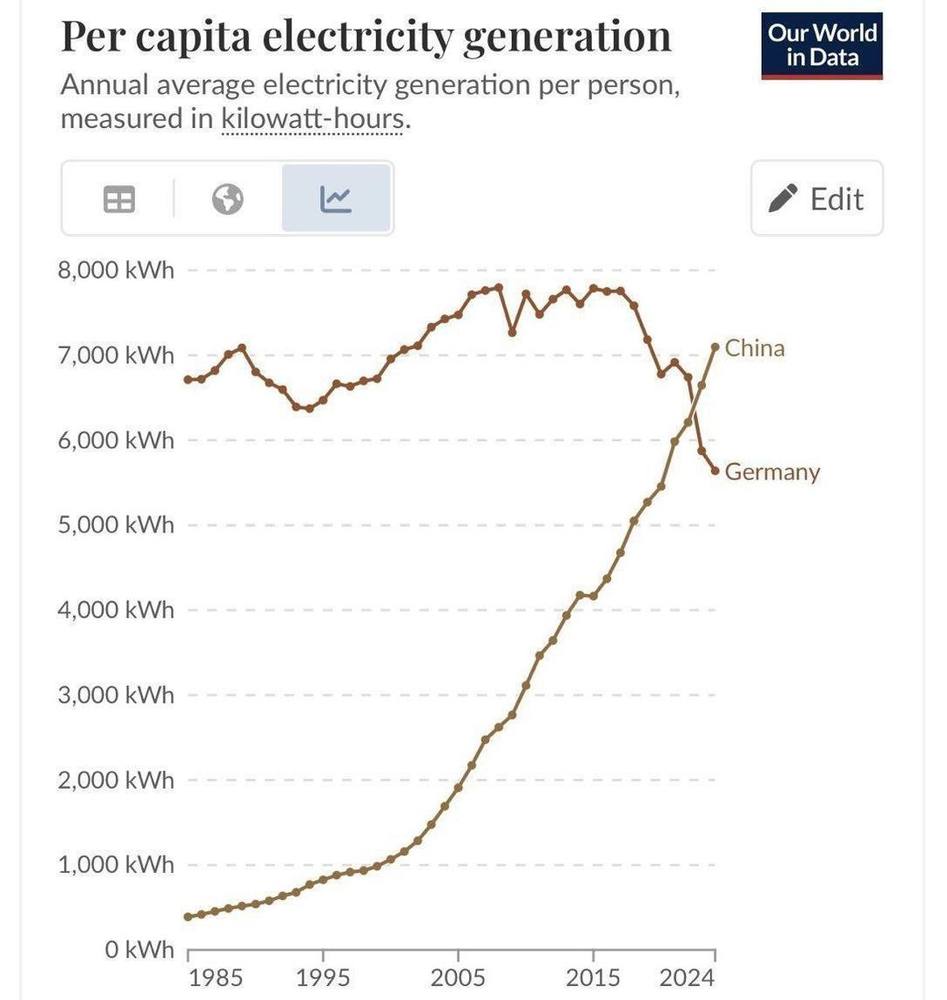
Germany's electricity generation per capita falls year after year, while China's has risen continuously for at least three decades — a sign of where industrial capacity is heading.
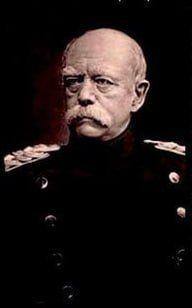
Otto von Bismarck on lying in wartime and elections, finding a case for war, and what a state's attitude to its teachers reveals.
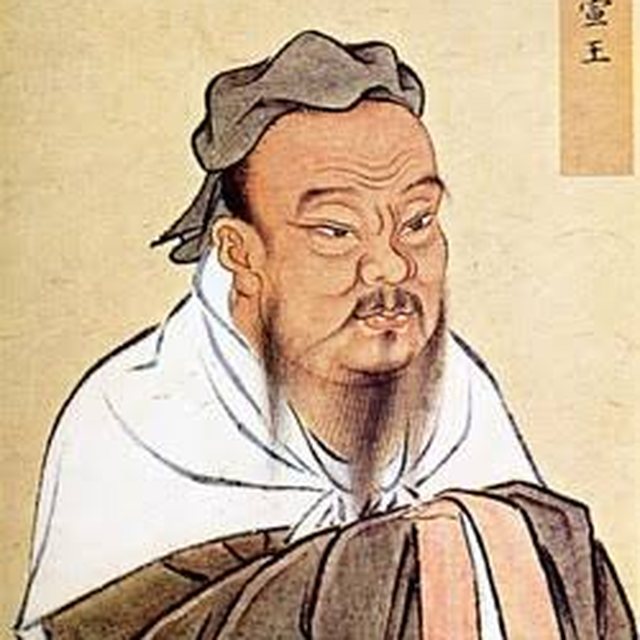
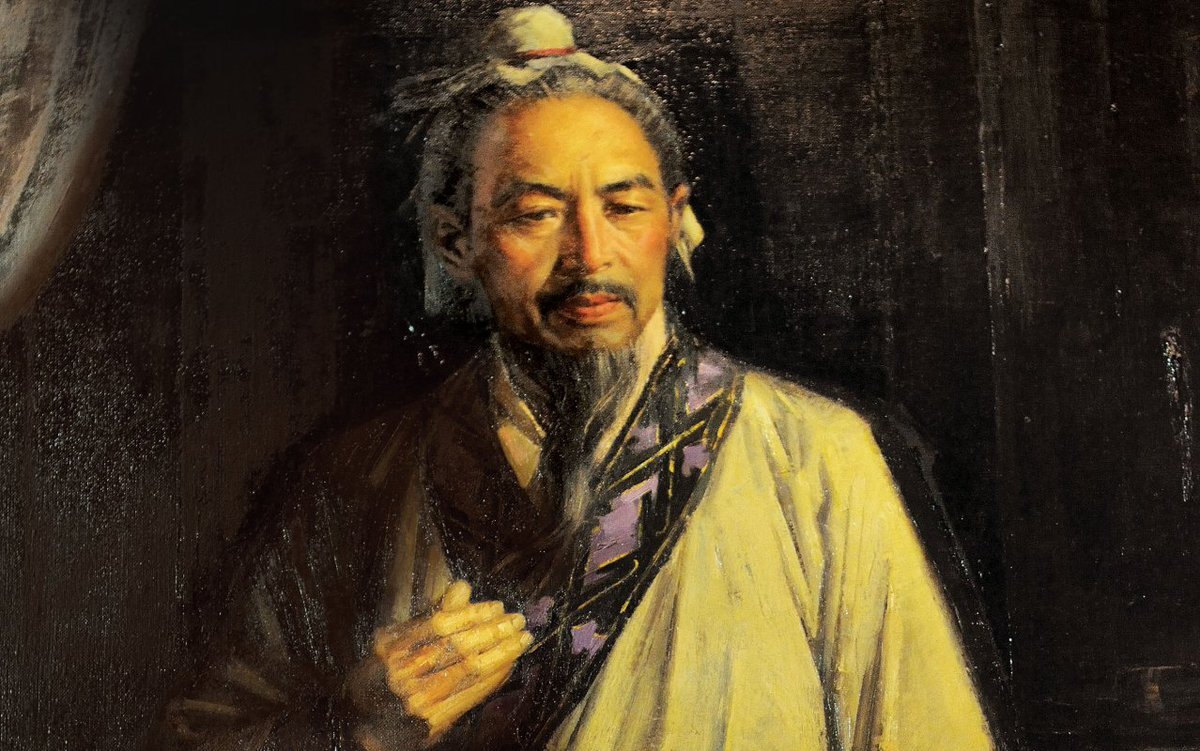
Ibn Khaldun on why dynasties seldom outlast three generations, and on asabiyyah as the force behind the rise and fall of civilisations.
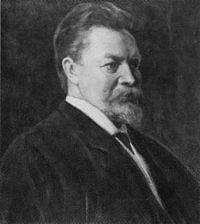
Rudolf Kjellén (1864–1922) was a Swedish geographer and political figure who considered himself a pupil of Friedrich Ratzel. His doctrine treated the state as a living organism and defined the great powers by three spatial factors.
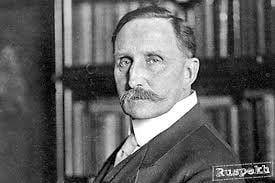
Karl Haushofer (1869–1946) was born in Munich, Germany, into a professor's family. He served in the army for more than 20 years and became the author of an original theory of the continental bloc and of pan-regions.
US President Donald Trump says Germany went so green that it nearly went bankrupt.
China controls 62% of the global electric vehicle market and holds on to its lead in electric transport.
According to an IMF report, artificial intelligence affects occupations differently: some face a high risk of replacement, others are safe.
After Germany abandoned its nuclear programme and closed its plants, German imports of nuclear-generated electricity hit a record in 2024.
In September 2023, on the sidelines of the G20 summit in New Delhi, India, the United States, the UAE, Saudi Arabia and the EU announced plans for the India–Middle East–Europe Corridor (IMEC). It is meant to speed up trade and deepen economic integration between Asia, the Gulf and Europe — but war in the Middle East now threatens it.
A further instalment on the thinkers of the German school of geopolitics, this time Friedrich Naumann's wartime vision of a German-led Mitteleuropa.
Rudolf Kjellén (1864–1922) was a Swedish geographer and political figure who coined the term geopolitics. His doctrine treated the state as a living organism and ranked the great powers by space, cohesion and freedom of movement.
According to the International Federation of Robotics, 545,000 industrial robots were installed at factories worldwide in 2022. Asia took 74% of them and China alone 53%.
On 9 September this year former ECB president Mario Draghi presented the European Commission with a report on the future of the European economy, arguing that the EU must mobilise €750–800 billion a year to stay competitive.
Friedrich Ratzel is regarded as the founder of geopolitics as a scientific discipline. His doctrine of the state as a living organism that must expand its living space justified German territorial expansion.
The Wakhan Corridor is a narrow strip of land in the Wakhan region of Badakhshan Province in eastern Afghanistan.
A World Bank chart tracing the growth of the world economy over the past two thousand years. World GDP grew by just 20% in the first millennium but has doubled every 20–25 years in recent decades.
India has enormous long-term potential for industrial development. Nearly half its working population is still employed in agriculture, and mechanisation will push that labour into the cities and into industry.
According to the IMF, the combined GDP of the G7 reached $45.9 trillion in 2023, one and a half times the size of the BRICS economies.
Defence spending rose at its fastest rate in a decade in 2023, reaching $2.443 trillion worldwide, with NATO accounting for 55% of the total.
Bloomberg and IMF forecasts put China first for contributions to global growth in 2024–2029, ahead of the G7 combined, with India second and Indonesia third.
Saudi Arabia plans up to 16 nuclear reactors worth more than $100 billion under Vision 2030, following the example of Türkiye, Egypt, Iran and the UAE.
Saudi Arabia ranks 16th by GDP (PPP), and its oil wealth is managed by the state giant Saudi Aramco. The non-oil economy is now growing fast, even as hydrocarbons stay central to modern manufacturing.
Ibn Khaldun's theory of asabiya explains the rise and fall of elites, and it still reads true today. The piece then turns to Saudi Arabia's demography and the mounting pressure of Yemen's population growth.