

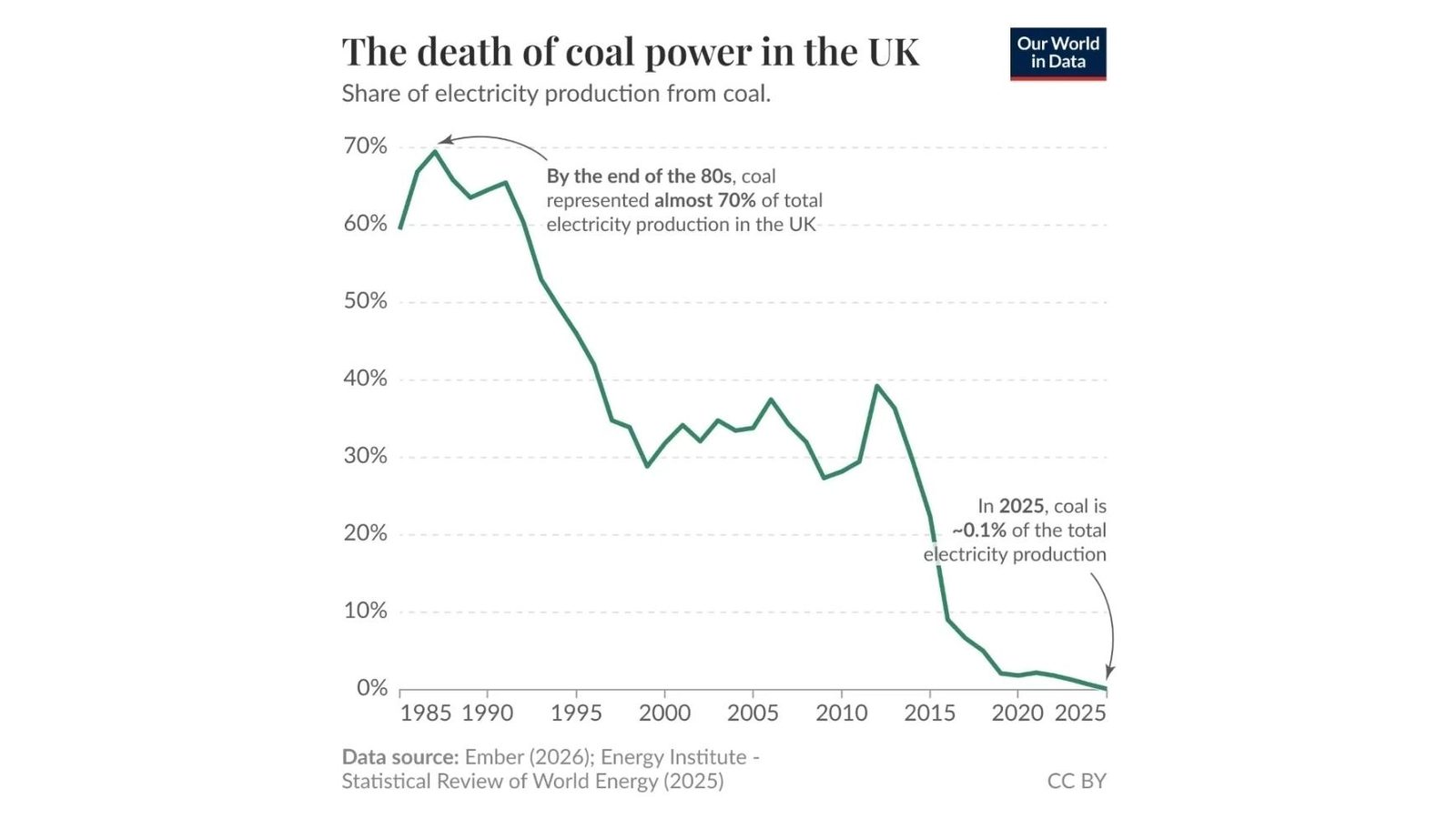
Britain has put an end to coal power. What does it mean for its industry?
In the late 1980s coal produced about 70% of Britain's electricity. It is now the first G7 country to abandon coal generation, which raises hard questions for its industry.
In the late 1980s coal produced about 70% of Britain's electricity. It is now the first G7 country to abandon coal generation, which raises hard questions for its industry.
A selection of sayings from Dante Alighieri's "Divine Comedy", on the elusiveness of what we most desire, the discipline of following one's own road, and the love that moves the sun and the other stars.
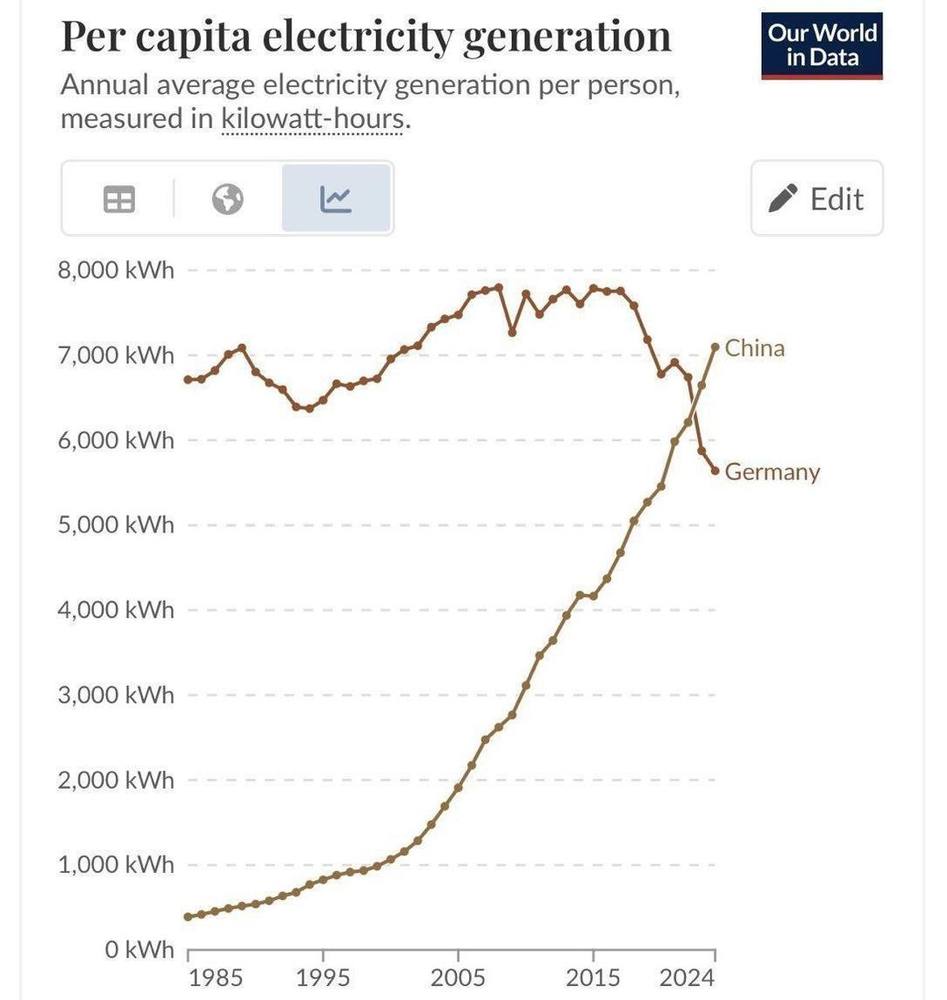
Germany's electricity generation per capita falls year after year, while China's has risen continuously for at least three decades — a sign of where industrial capacity is heading.
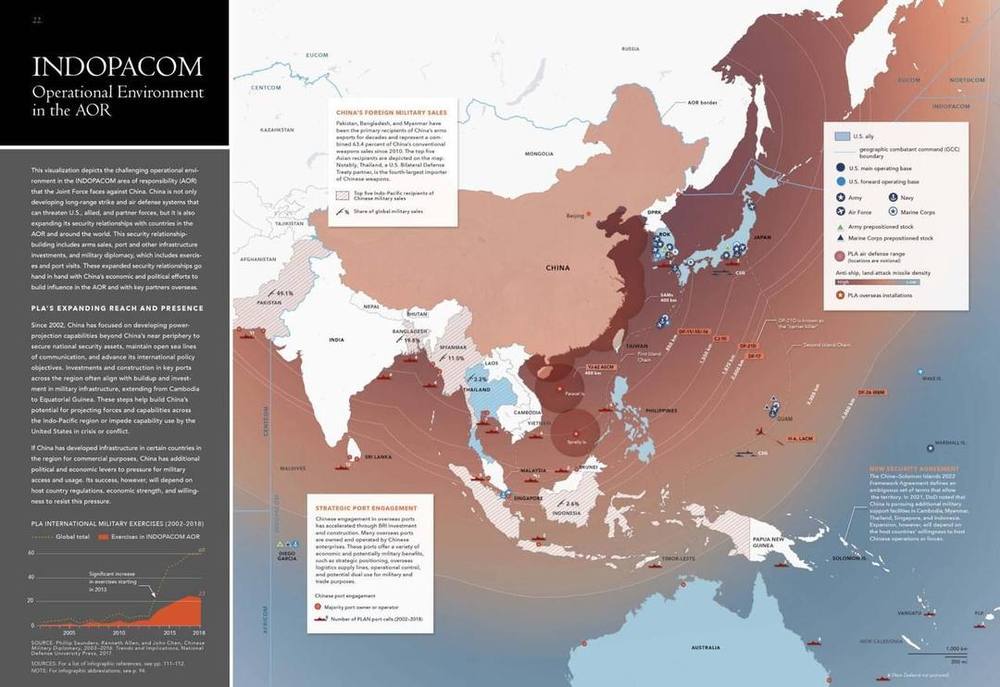
This infographic maps the complex operational picture in the INDOPACOM area of responsibility, where the United States confronts China.
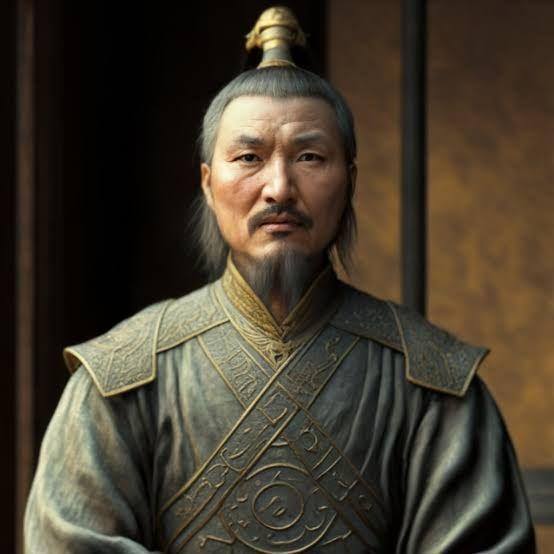
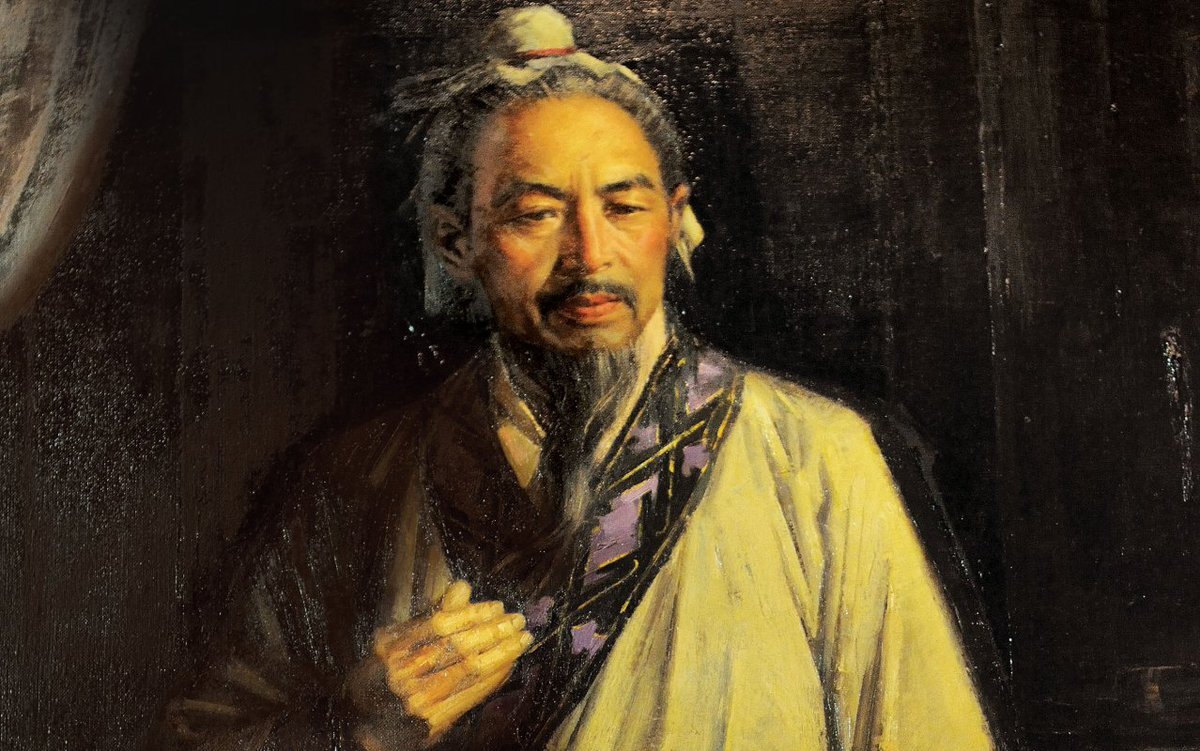
Sun Tzu on deception in war, the summit of military skill, and what an enemy's peace overtures really mean.
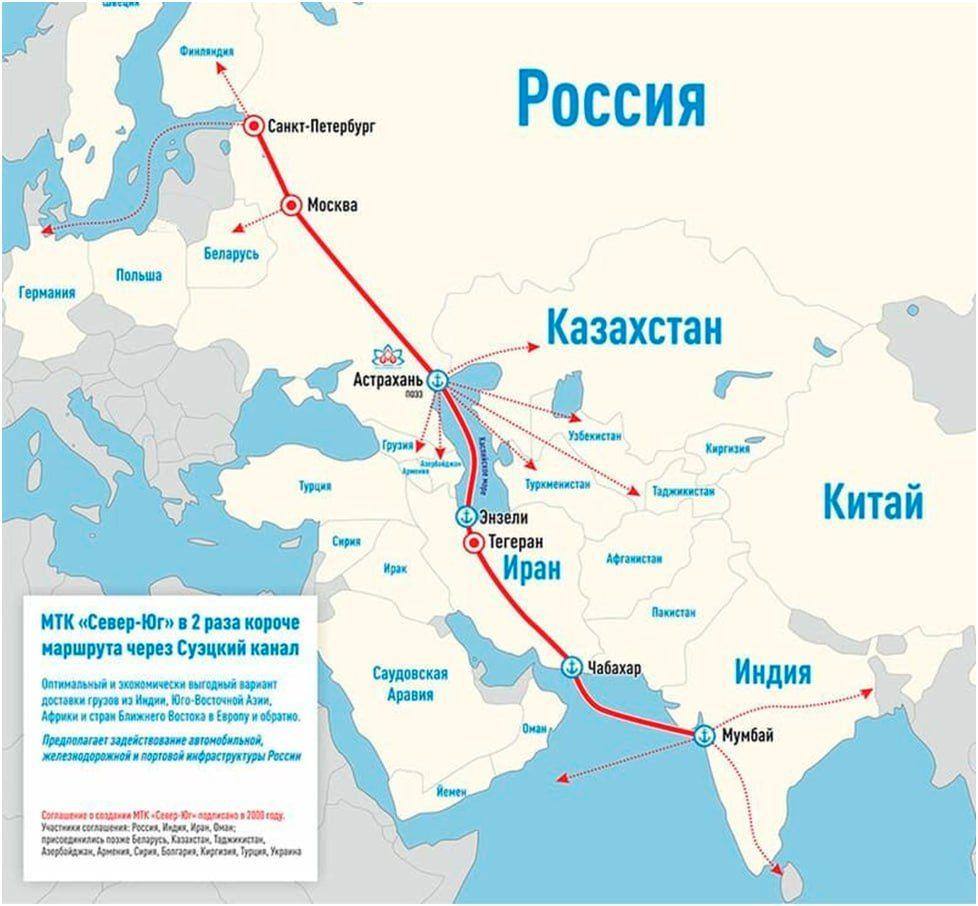
The International North–South Transport Corridor is an ambitious 7,200-km multimodal route from St Petersburg to Mumbai. Because every branch of it runs through Iran, the country has become the corridor's pivotal link.
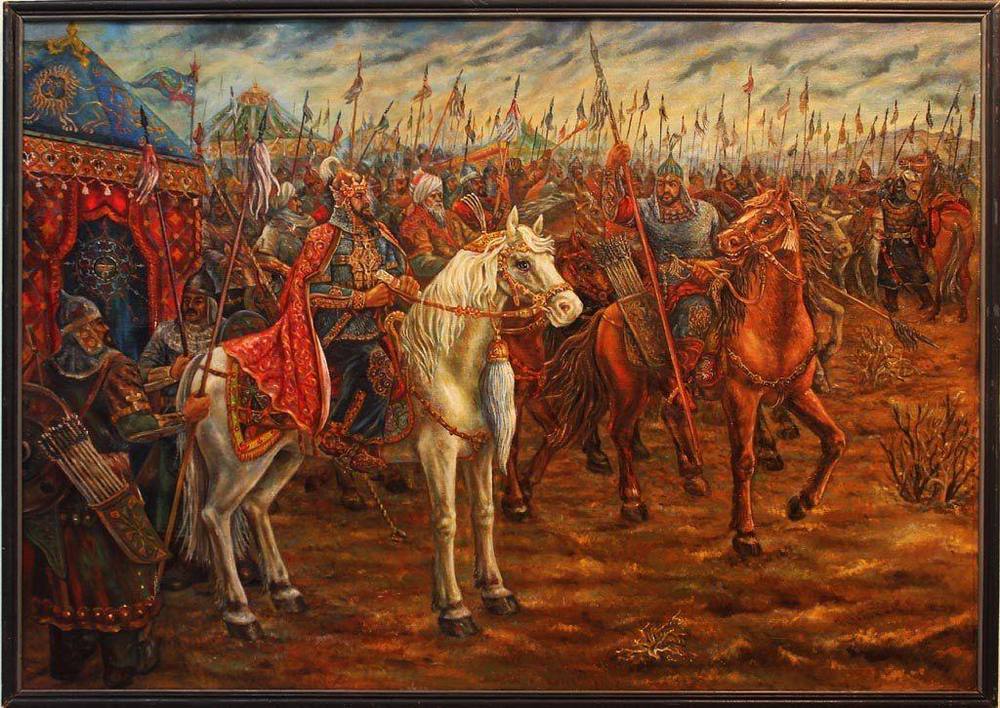
In my view, though I may be mistaken, the Great Temur ranks first among the greatest commanders in all history, followed by Genghis Khan, Alexander the Great and Hannibal Barca.
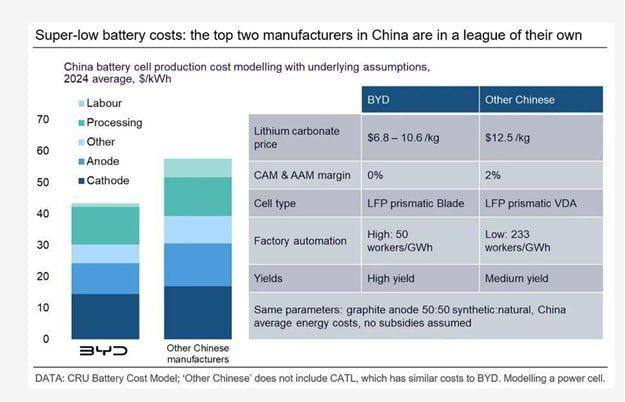
The author's case for why Chinese manufacturers dominate the global solar panel and battery sectors: long-term state industrial strategy, subsidies, self-sufficiency in minerals, scale, automation and cheap electricity.
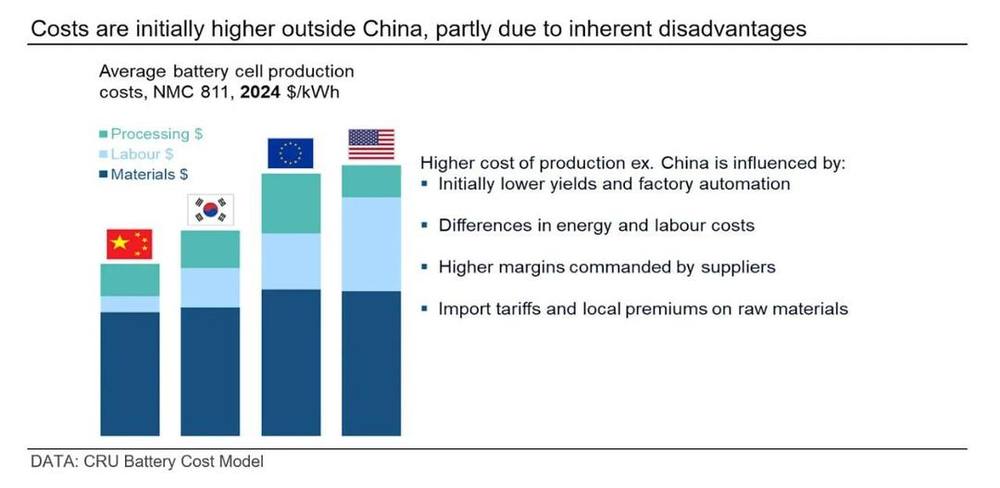
The chart compares the average cost of producing battery cells in China, South Korea, the European Union and the United States, and shows why the US and the EU lag behind China.
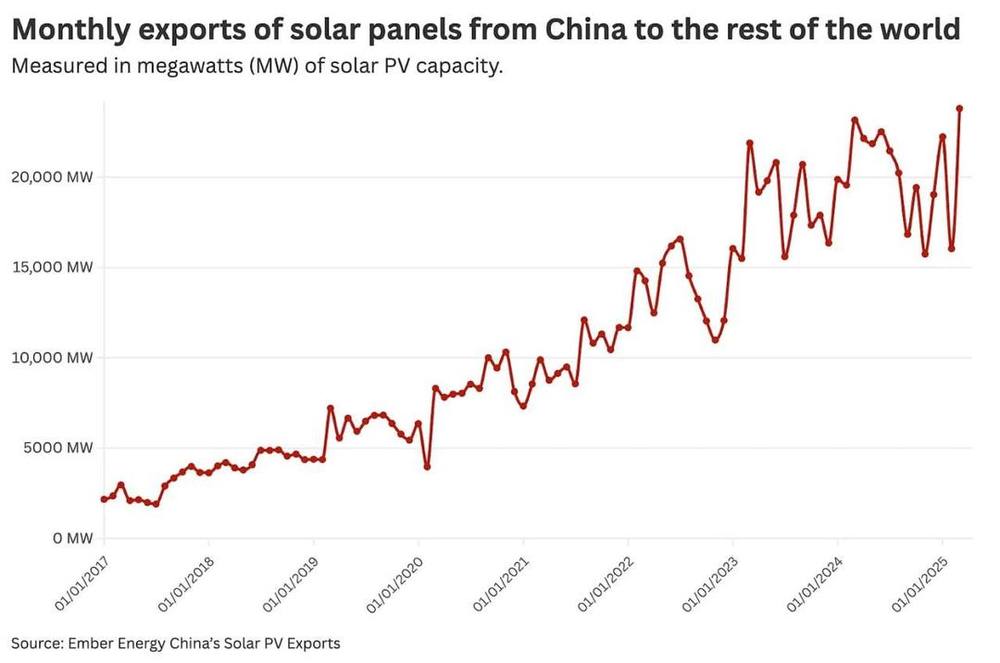
China's monthly exports of solar panels to the rest of the world, measured in megawatts (MW). Chinese panels are far cheaper than those made elsewhere, and China also produces three-quarters of the world's batteries.
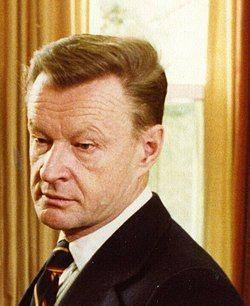
Zbigniew Brzezinski on Ukraine as the geopolitical pivot of Eurasia, and on how the West should deal with China.
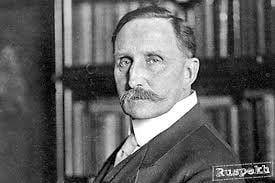
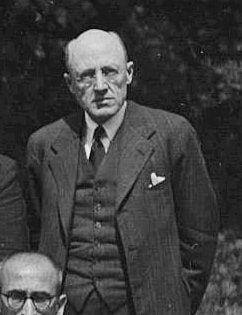
Karl Haushofer (1869–1946) was born in Munich, Germany, into a professor's family. He served in the army for more than 20 years and became the author of an original theory of the continental bloc and of pan-regions.
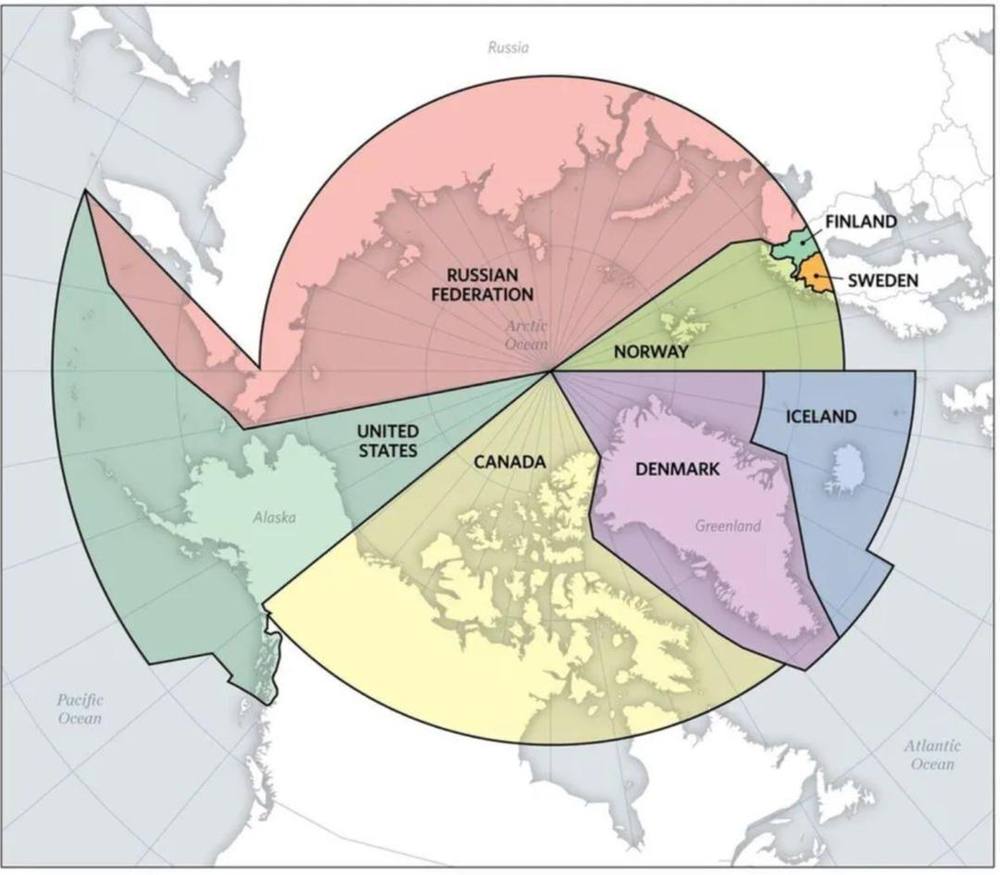
This map shows the territories countries hold in the Arctic, a region now at the centre of economic and geopolitical competition between the United States, Russia and China.
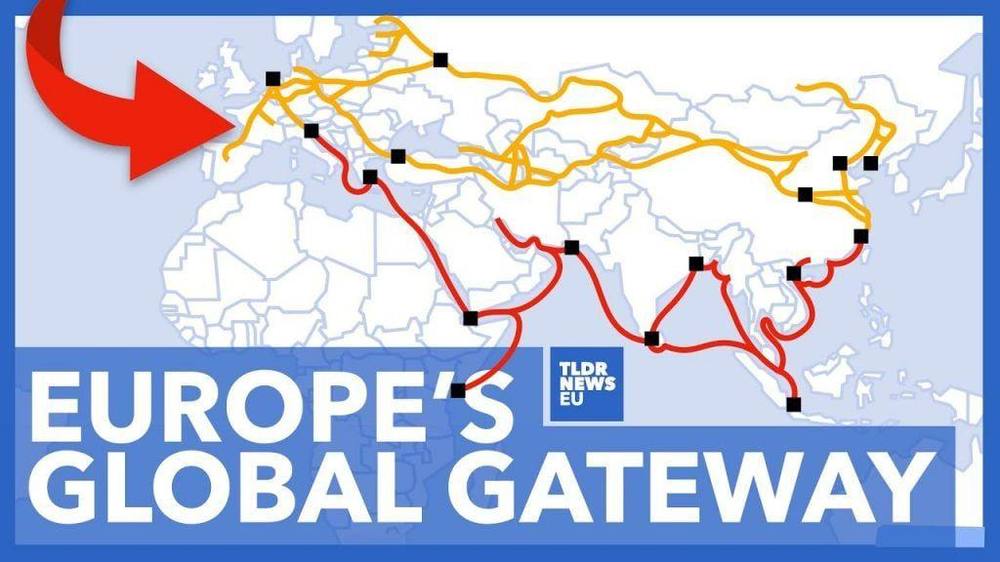
The European Union's Global Gateway strategy aims to speed up digital, energy and environmental transformation in emerging and developing economies, mobilising €300 billion of investment by 2027.
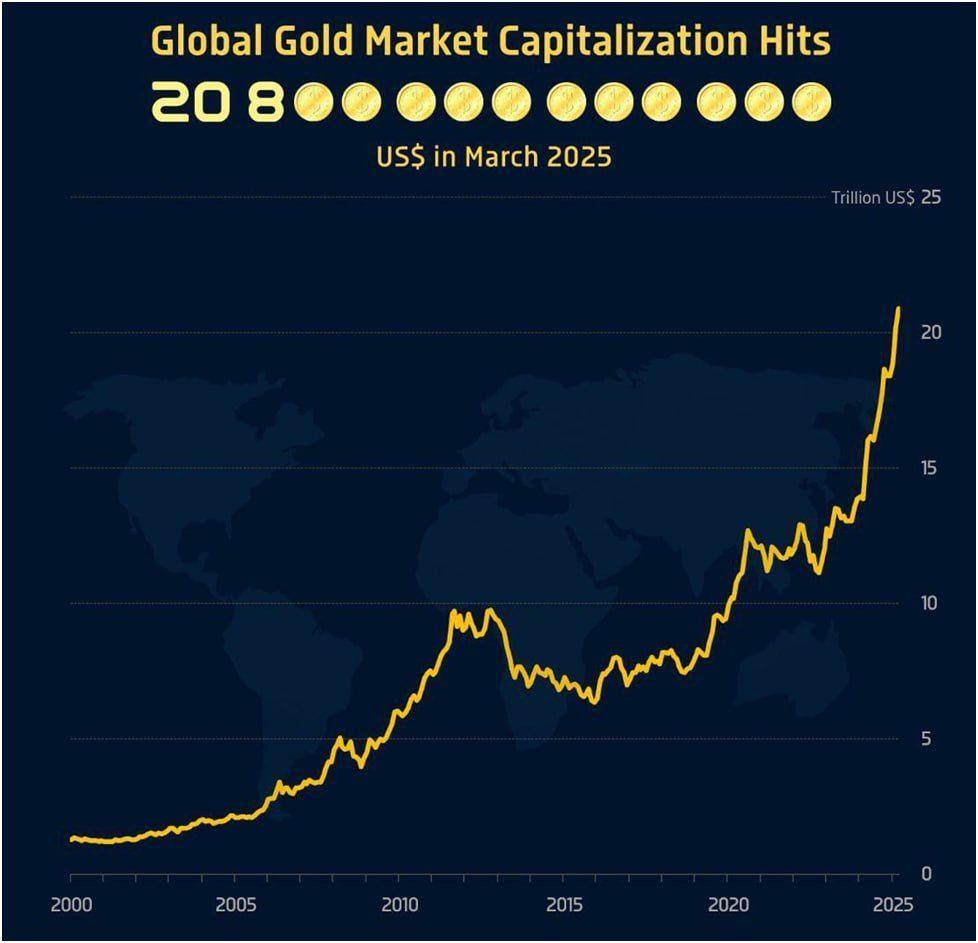
The capitalisation of the global gold market has passed $20.8 trillion, as uncertainty and inflation drive investors towards the metal.
China controls 62% of the global electric vehicle market and holds on to its lead in electric transport.
According to an IMF report, artificial intelligence affects occupations differently: some face a high risk of replacement, others are safe.
In response to the 10% tariffs the United States imposed on imports from China, Beijing introduced additional duties of 15% on US coal and liquefied natural gas (LNG), and 10% on American oil, agricultural machinery, large-engine cars and pickups.
This chart shows that China produces eight times as many STEM graduates each year as the United States, according to 2016 data from Statista.
In the 1990s Europe, the United States and Japan made all of the world's semiconductors. Their combined share has since collapsed, while China has gone from 0% to 24%.
The Panama Canal is a lock-type waterway owned by Panama that links the Atlantic and Pacific oceans. It carries 2.5% of world maritime trade a year and 40% of US container traffic.
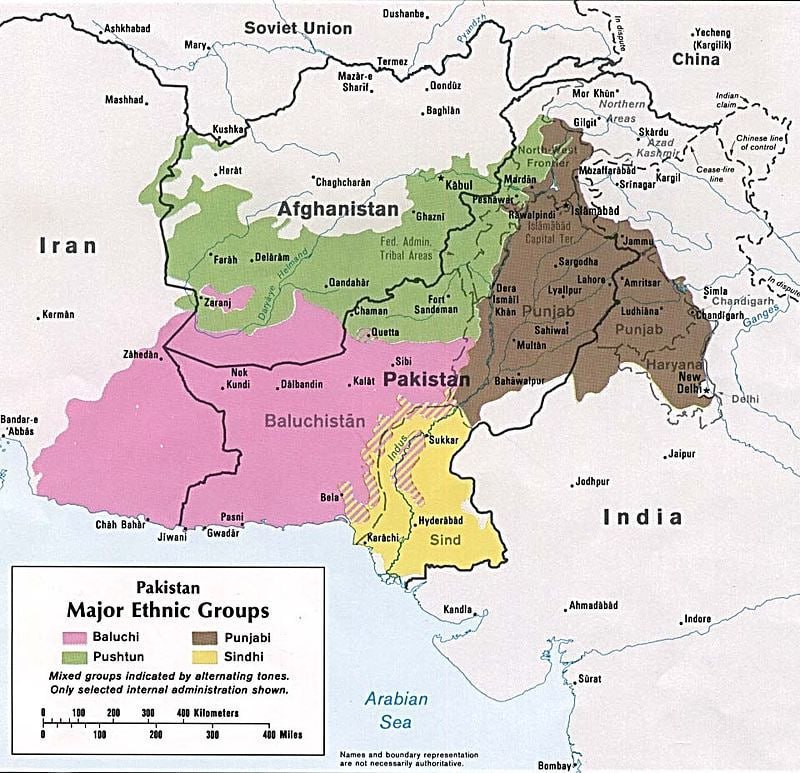
The China–Pakistan Economic Corridor (CPEC) is a flagship of Beijing's Belt and Road Initiative, linking Pakistan's Gwadar and Karachi ports to China's Xinjiang region. Its cost has risen from an initial $46 billion to $65 billion.
Pakistan's location makes it a natural bridge between landlocked Central Asia and the Arabian Sea, according to The News on Sunday. Regional trade integration could add up to 1.7% to Pakistan's GDP.
The eastern sea corridor linking the Indian port city of Chennai with Vladivostok, Russia's largest Pacific port, is back in service. It cuts cargo delivery times from 40 to 24 days compared with the Suez Canal route.
The Chagos Archipelago, some 500 km south of the Maldives, hosts the Diego Garcia base, which lets the United States and Britain control sea lanes between South-East Asia, South Asia, the Middle East and Africa. In October 2024 Britain agreed to hand sovereignty over the islands to Mauritius while keeping the base for 99 years.
Kazakhstan declined full membership of BRICS at the bloc's October summit in Kazan, choosing instead to watch how the group develops while diversifying its foreign-policy ties and keeping close engagement with the West, The Diplomat reports.
In September 2023, on the sidelines of the G20 summit in New Delhi, India, the United States, the UAE, Saudi Arabia and the EU announced plans for the India–Middle East–Europe Corridor (IMEC). It is meant to speed up trade and deepen economic integration between Asia, the Gulf and Europe — but war in the Middle East now threatens it.
According to the IEA, 83% of the coal mined worldwide is consumed in the Asia-Pacific region, with China alone accounting for more than half of global consumption. India and Indonesia are also increasing their use of coal year after year.
The United States has the world's oldest coal-fired power plants, with an average age set to pass 50 next year, and its 92 nuclear reactors are the third oldest globally. Yet while others build ultra-supercritical coal units, the US is closing its coal plants and switching to gas.
A Chinese proverb on how true skill shows itself in abundance, and on why kindness and mistakes alike call for careful thought.
According to the International Federation of Robotics, 545,000 industrial robots were installed at factories worldwide in 2022. Asia took 74% of them and China alone 53%.
On 9 September this year former ECB president Mario Draghi presented the European Commission with a report on the future of the European economy, arguing that the EU must mobilise €750–800 billion a year to stay competitive.
Friedrich Ratzel is regarded as the founder of geopolitics as a scientific discipline. His doctrine of the state as a living organism that must expand its living space justified German territorial expansion.
The 16th BRICS summit ran in Kazan from 22 to 24 October this year under Russia's chairmanship. No new members were admitted, and the group ruled out a single currency.
An aircraft carrier is a floating airbase that projects a country's military and economic power at sea. Eleven countries operate carriers today, and NATO members together with Japan have 20 between them.
This chart shows the countries that dominated shipbuilding by gross tonnage of merchant ships built in 2023, led by China, South Korea and Japan, which together account for 94% of the industry.
According to the American analytics and engineering firm BryceTech, SpaceX has tripled its rocket launches over the past two years and leads the world, while China, Russia and India are all stepping up their programmes.
The fastest-growing economies now lie in Latin America, Africa and Asia, the regions known together as the Global South. Guyana's GDP doubled between 2021 and 2022, and African countries are set for average growth of 6–8% through 2028.
The Cold War divided the planet into three worlds; after the Soviet bloc collapsed, the concepts of the Global North and the Global South took shape.
The Wakhan Corridor is a narrow strip of land in the Wakhan region of Badakhshan Province in eastern Afghanistan.
According to the International Energy Agency, electricity demand in China's economy will grow to 10,498 TWh by 2025, more than double US demand of 4,475 TWh.
According to the US Geological Survey (USGS), identified lithium resources worldwide grew significantly in 2023, to about 98 million tonnes.
A World Bank chart tracing the growth of the world economy over the past two thousand years. World GDP grew by just 20% in the first millennium but has doubled every 20–25 years in recent decades.
On 13 September 2024 the Bank of Russia raised its key rate to 19%, even as other major central banks were cutting. The increase is feeding through to mortgage rates, which have climbed above 21%.
India has enormous long-term potential for industrial development. Nearly half its working population is still employed in agriculture, and mechanisation will push that labour into the cities and into industry.
According to the IMF, the combined GDP of the G7 reached $45.9 trillion in 2023, one and a half times the size of the BRICS economies.
Defence spending rose at its fastest rate in a decade in 2023, reaching $2.443 trillion worldwide, with NATO accounting for 55% of the total.
Saudi Arabia's decision not to renew its era-defining security agreement with the United States, the sale of oil for dollars, reflects both America's declining global influence and where most Saudi oil is now sold.
Bloomberg and IMF forecasts put China first for contributions to global growth in 2024–2029, ahead of the G7 combined, with India second and Indonesia third.
China's outward foreign direct investment by country: the distribution based on fDi Markets data.
Saudi Arabia has yet to pick a builder for its planned reactors, with Rosatom, Westinghouse, KEPCO and CNNC in contention — and it has let the 1974 petrodollar pact with Washington lapse.
A Chinese proverb on why a skilled trader conceals his riches and makes no show of them.
Saudi Arabia ranks 16th by GDP (PPP), and its oil wealth is managed by the state giant Saudi Aramco. The non-oil economy is now growing fast, even as hydrocarbons stay central to modern manufacturing.
Saudi Arabia is the largest regional power on the Arabian Peninsula and the birthplace of Islam, which arose in Mecca and Medina in the 7th century.
Poland spends the most on defence of any NATO member, at 3.9% of GDP, while the US is the main beneficiary of rising allied defence budgets.
Japan's Sixth Energy Plan targets 38% renewables and 20% nuclear by 2030, while coal and gas lose ground. Yet total power generation has been falling since 2010.
This chart tracks aluminium production in the United States and its share of world output. In the late 1940s and early 1950s the US made more than half of the world's aluminium; today it produces almost none.
India is the world's most populous country and its third-largest economy, yet coal still provides more than 80% of its electricity. This chart breaks down Indian power generation by source.