

World population growth to 2100
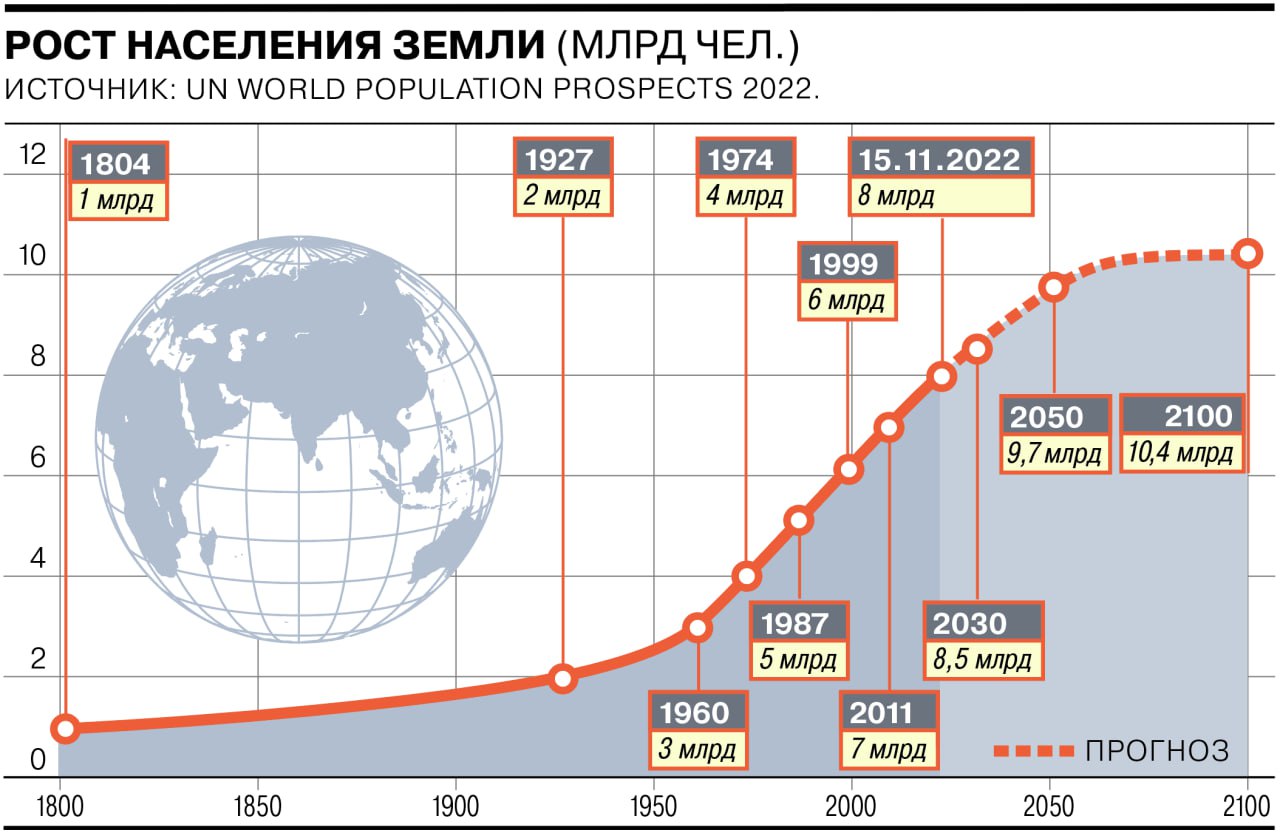
For a long time the world's population grew very slowly, passing 1 billion only in 1804; two centuries later it reached 8 billion. UN forecasts now expect growth to level off after the 2050s.
For a long time the world's population grew very slowly, passing 1 billion only in 1804; two centuries later it reached 8 billion. UN forecasts now expect growth to level off after the 2050s.
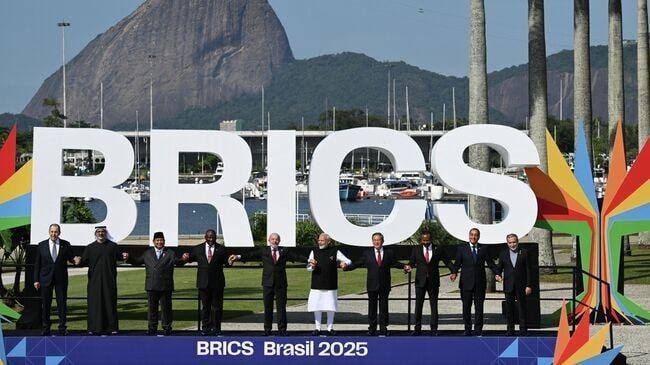
The joint declaration adopted by BRICS at its 17th summit in Rio de Janeiro calls for an immediate, permanent and unconditional ceasefire in Gaza, the full withdrawal of Israeli troops from the occupied Palestinian territories, and a global framework for governing artificial intelligence.
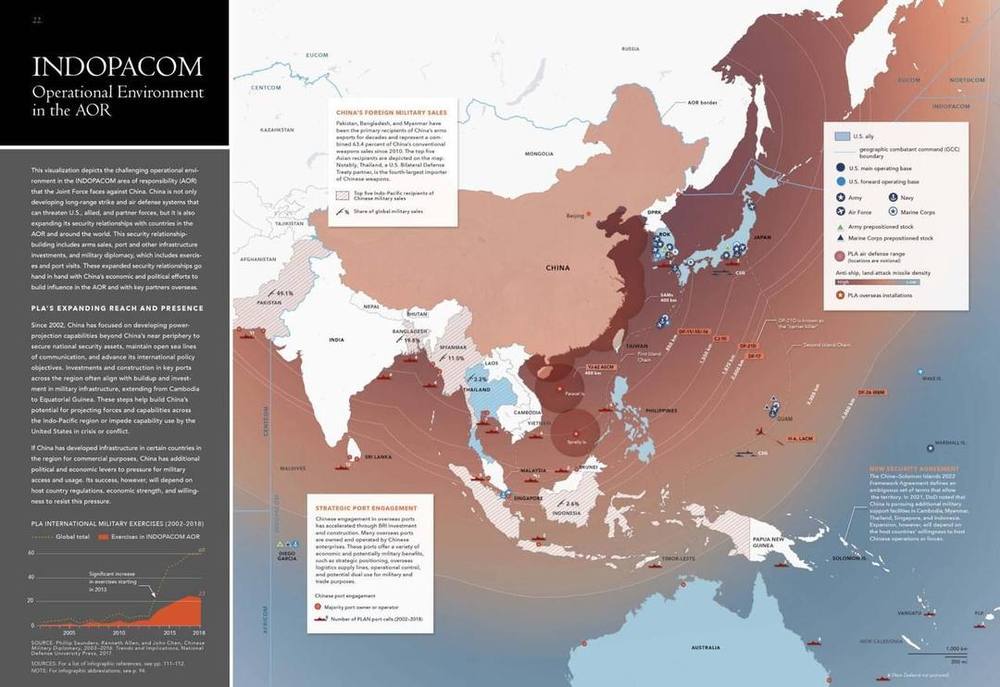
This infographic maps the complex operational picture in the INDOPACOM area of responsibility, where the United States confronts China.
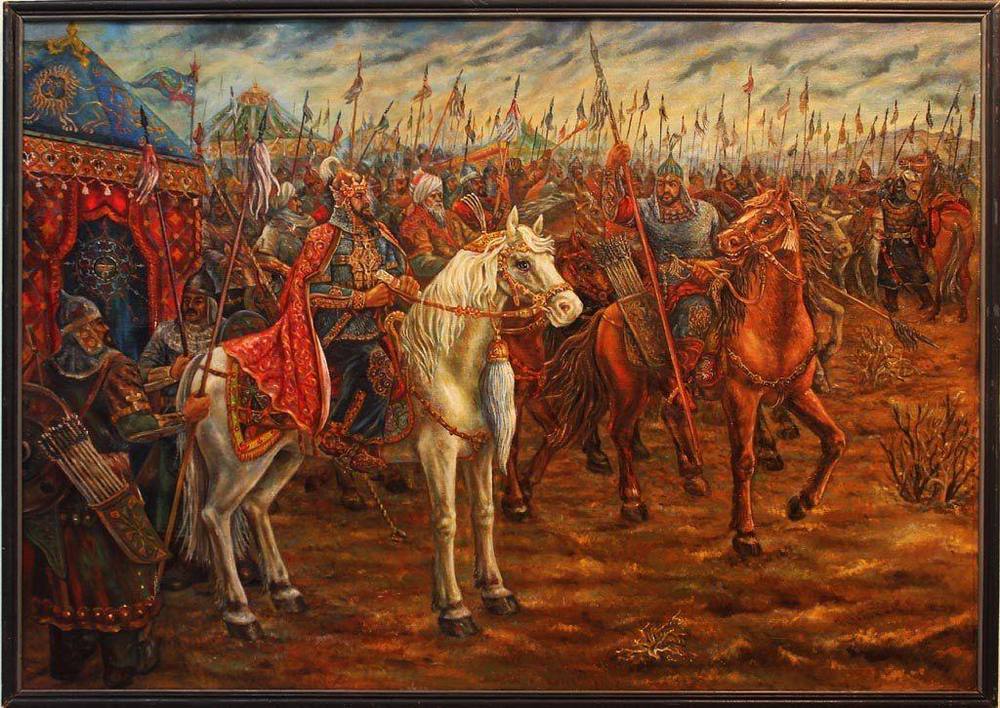
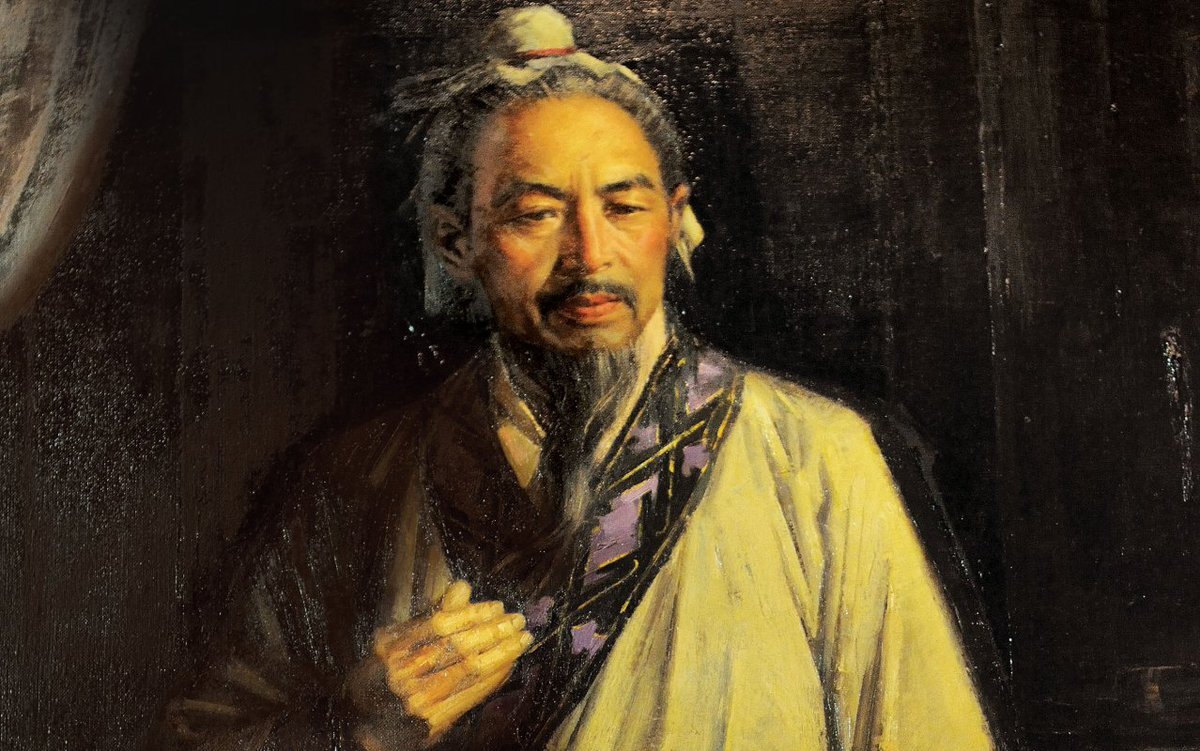
In my view, though I may be mistaken, the Great Temur ranks first among the greatest commanders in all history, followed by Genghis Khan, Alexander the Great and Hannibal Barca.
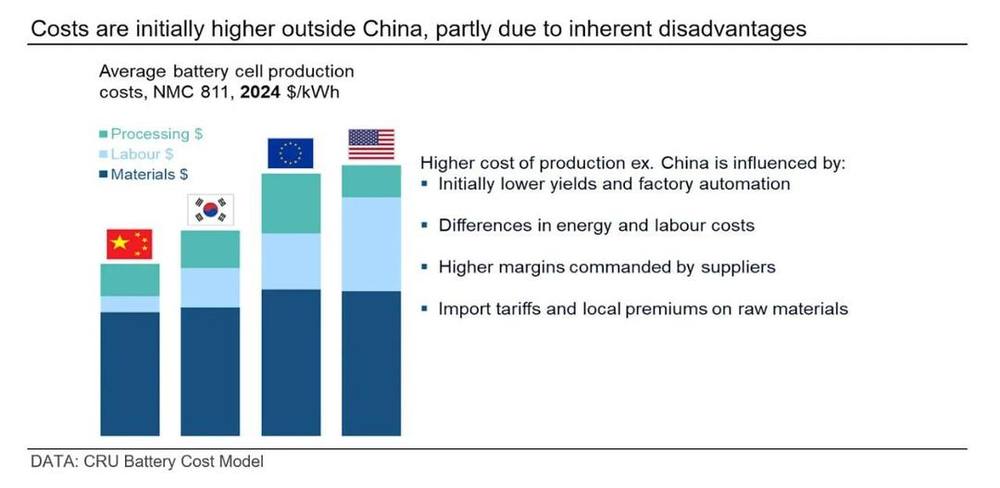
The chart compares the average cost of producing battery cells in China, South Korea, the European Union and the United States, and shows why the US and the EU lag behind China.
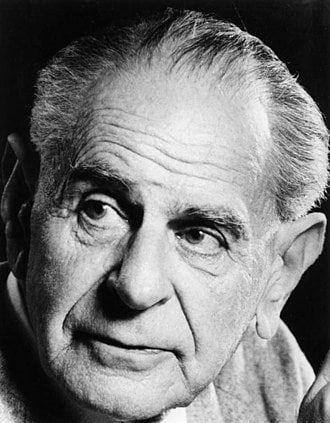
Karl Popper on the danger of utopian designs, the fashion that rules philosophy, and the lessons Plato still offers sociology.
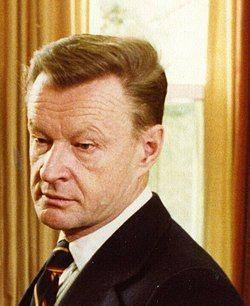
Zbigniew Brzezinski on Ukraine as the geopolitical pivot of Eurasia, and on how the West should deal with China.
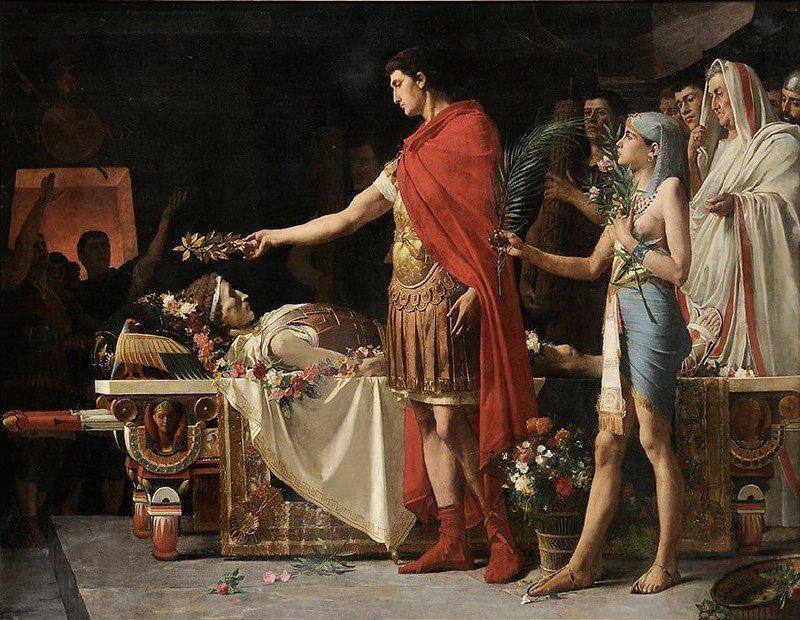
Alexander the Great on fortune, victory and ambition, followed by a short account of his life, his conquests and the empire that broke apart after his death.
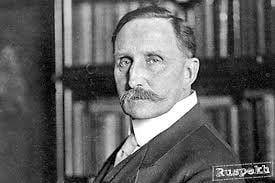
Karl Haushofer (1869–1946) was born in Munich, Germany, into a professor's family. He served in the army for more than 20 years and became the author of an original theory of the continental bloc and of pan-regions.
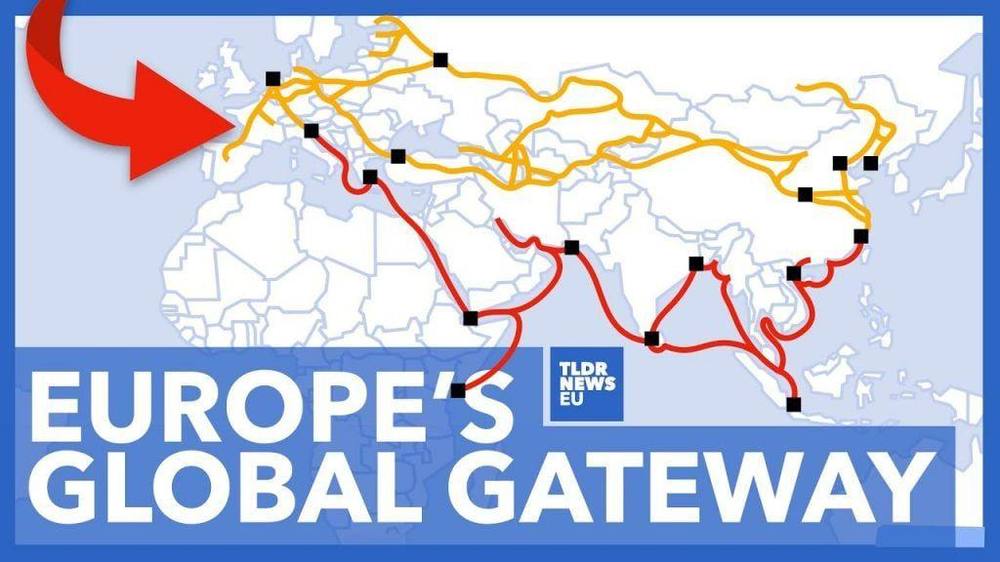
The European Union's Global Gateway strategy aims to speed up digital, energy and environmental transformation in emerging and developing economies, mobilising €300 billion of investment by 2027.
According to an IMF report, artificial intelligence affects occupations differently: some face a high risk of replacement, others are safe.
In response to the 10% tariffs the United States imposed on imports from China, Beijing introduced additional duties of 15% on US coal and liquefied natural gas (LNG), and 10% on American oil, agricultural machinery, large-engine cars and pickups.
In the 1990s Europe, the United States and Japan made all of the world's semiconductors. Their combined share has since collapsed, while China has gone from 0% to 24%.
The Panama Canal is a lock-type waterway owned by Panama that links the Atlantic and Pacific oceans. It carries 2.5% of world maritime trade a year and 40% of US container traffic.
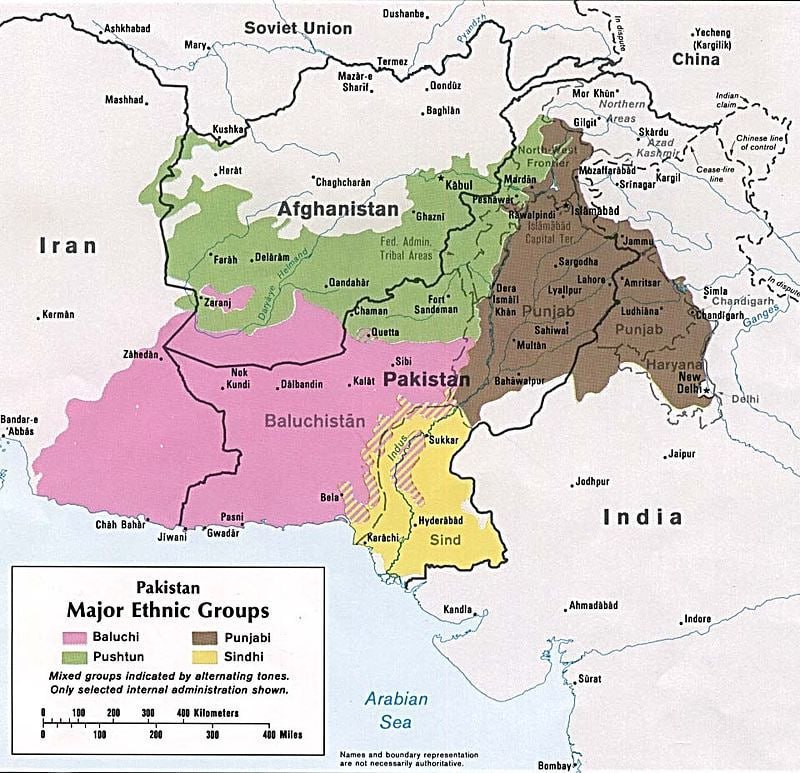
Work on the multimodal Belarus–Russia–Kazakhstan–Uzbekistan–Afghanistan–Pakistan corridor to Indian Ocean ports began in August 2022. Pakistan signed up in September 2024, and the route is meant to give landlocked Central Asia access to the sea.
A further instalment on the thinkers of the German school of geopolitics, this time Friedrich Naumann's wartime vision of a German-led Mitteleuropa.
According to the International Federation of Robotics, 545,000 industrial robots were installed at factories worldwide in 2022. Asia took 74% of them and China alone 53%.
On 9 September this year former ECB president Mario Draghi presented the European Commission with a report on the future of the European economy, arguing that the EU must mobilise €750–800 billion a year to stay competitive.
The 16th BRICS summit ran in Kazan from 22 to 24 October this year under Russia's chairmanship. No new members were admitted, and the group ruled out a single currency.
This chart shows the countries that dominated shipbuilding by gross tonnage of merchant ships built in 2023, led by China, South Korea and Japan, which together account for 94% of the industry.
The Cold War divided the planet into three worlds; after the Soviet bloc collapsed, the concepts of the Global North and the Global South took shape.
According to the US Geological Survey (USGS), identified lithium resources worldwide grew significantly in 2023, to about 98 million tonnes.
On 27 May 2024 Russia and Uzbekistan signed a contract for a six-unit small nuclear power plant in the Jizzakh region. The first reactor is due to start up within five years, with full commissioning no earlier than 2033.
A World Bank chart tracing the growth of the world economy over the past two thousand years. World GDP grew by just 20% in the first millennium but has doubled every 20–25 years in recent decades.
China's outward foreign direct investment by country: the distribution based on fDi Markets data.
Saudi Arabia has yet to pick a builder for its planned reactors, with Rosatom, Westinghouse, KEPCO and CNNC in contention — and it has let the 1974 petrodollar pact with Washington lapse.
Saudi Arabia plans up to 16 nuclear reactors worth more than $100 billion under Vision 2030, following the example of Türkiye, Egypt, Iran and the UAE.
Saudi Arabia is OPEC's most important member and a top-three crude producer. Together, OPEC and OPEC+ pump some 46% of the world's oil, which gives them real power over prices.