








On the law issued in France to increase the population
Montesquieu on Louis XIV's pensions for large families and on how a depopulated state can be revived, from "The Spirit of the Laws".
Montesquieu on Louis XIV's pensions for large families and on how a depopulated state can be revived, from "The Spirit of the Laws".
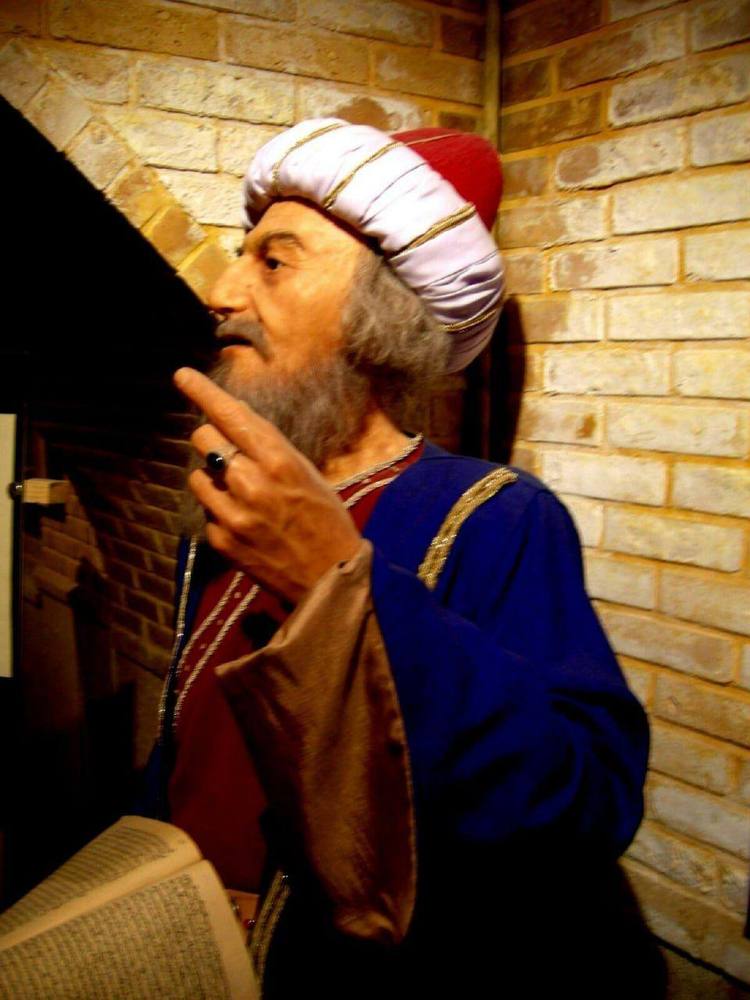
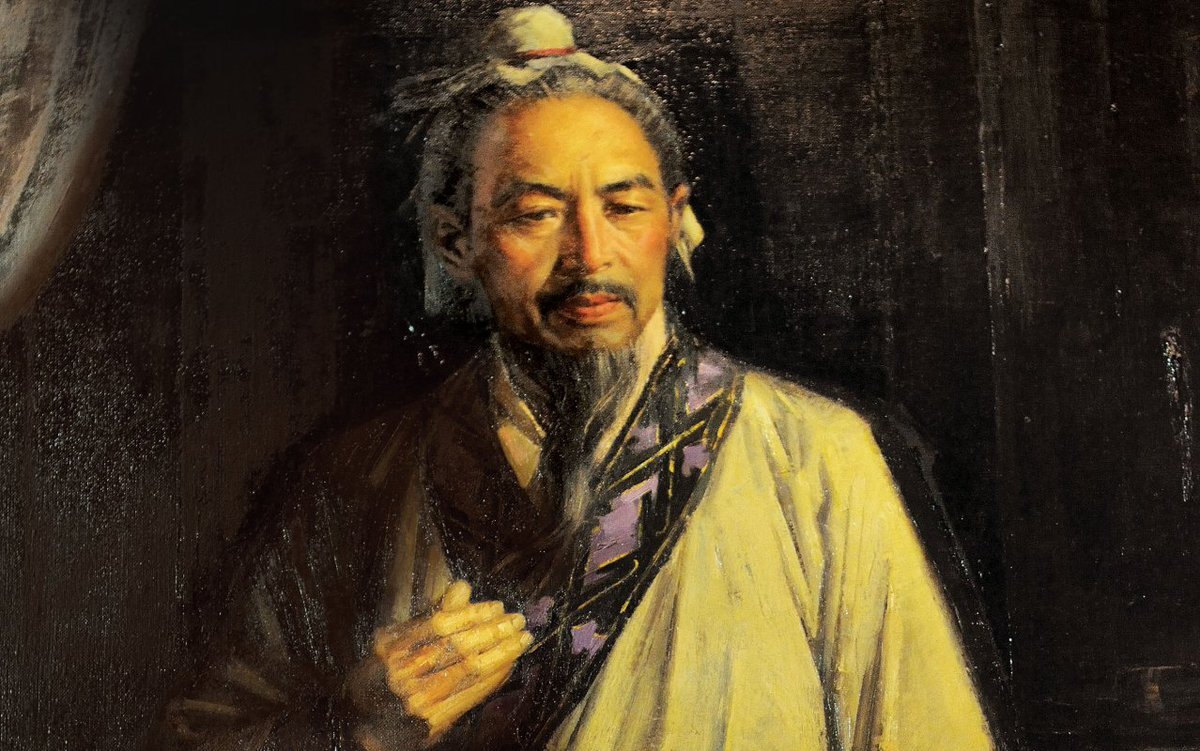
Jalal al-Din Davani on friendship as the path to perfection, on the danger of scattering oneself across different crafts, and on the discipline of silence, with an account of the Persian philosopher who served three dynasties.
Pope Paul IV on why truth is dangerous and the crowd wants only something to believe in, with an account of the inquisitor Gian Pietro Carafa, who became pope in 1555.
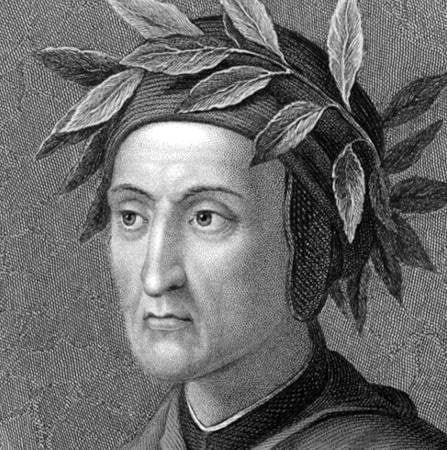
A selection of sayings from Dante Alighieri's "Divine Comedy", on the elusiveness of what we most desire, the discipline of following one's own road, and the love that moves the sun and the other stars.
Gandhi on how movements are met, on finding yourself and on the inner voice, with a short note on his role in India's independence movement and his philosophy of non-violence.
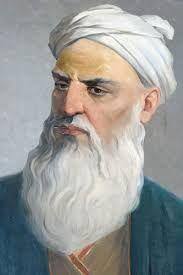
Rudaki on reason, knowledge and good deeds, with a short account of the poet born in Panjrud who led the circle of poets at the Samanid court in Bukhara.
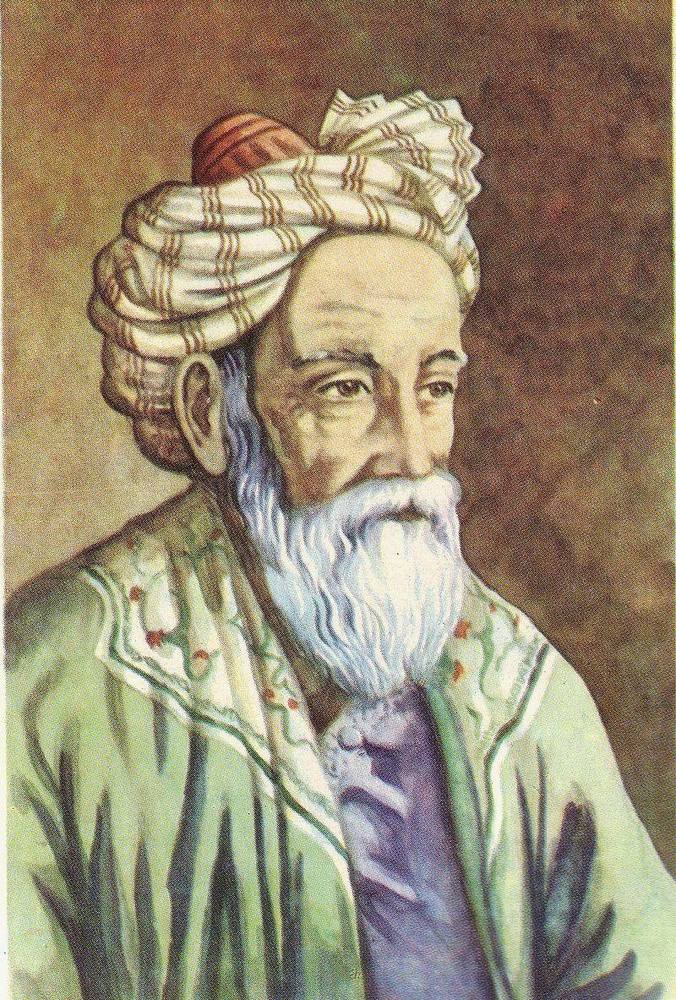
Omar Khayyam on envy, friendship, silence and the true price of kindness, with a short account of his life as a Persian philosopher, mathematician and astronomer.
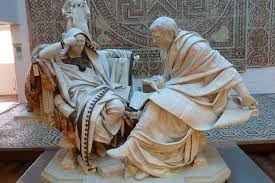
Seneca on claiming time for oneself, the many ways it is lost, and keeping the body in service of the soul — with an account of his life and death under Nero.
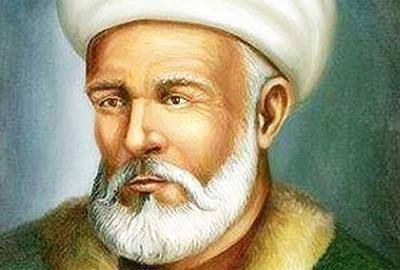
Al-Farabi on upbringing before instruction, the ruler's pursuit of true happiness, and moderation as the root of virtue.
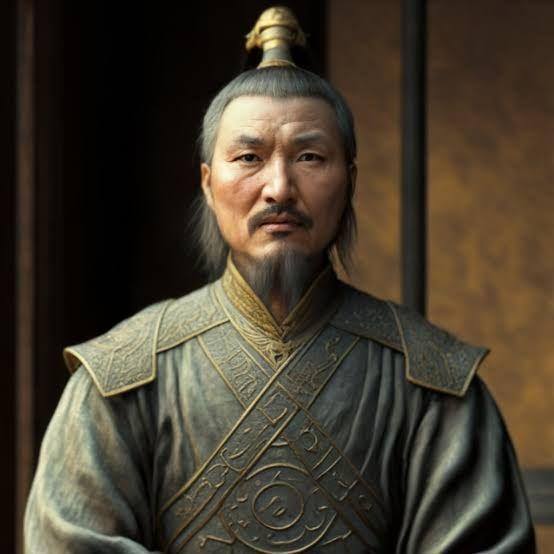
Sun Tzu on deception in war, the summit of military skill, and what an enemy's peace overtures really mean.
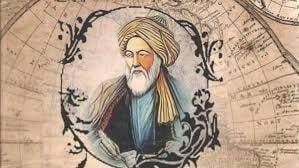
Ahmad Donish on contentment, the regimen of eating and drinking, and the price of freedom from earthly burdens.
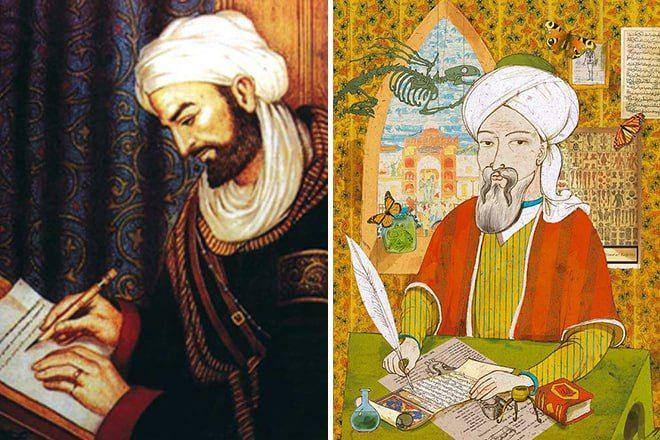
Ibn Sina, known in the West as Avicenna, on dealing with the ignorant, the gifts a physician must have, and justice as the finest ornament of human deeds.
Otto von Bismarck on lying in wartime and elections, finding a case for war, and what a state's attitude to its teachers reveals.
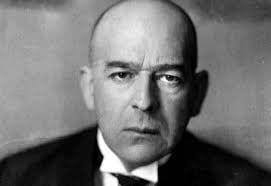
Oswald Spengler on the language of lies, the press and war, and culture turning into civilisation.
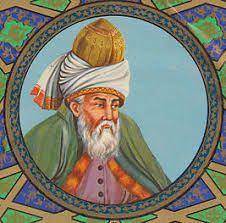
Rumi on grief as a garden of compassion, on finding God in one's own heart, and on the calling placed in every heart.
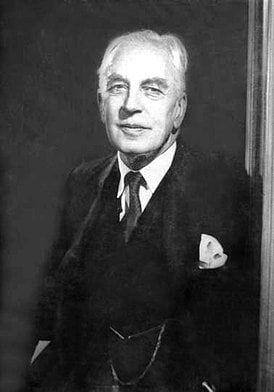
Arnold J. Toynbee on the pattern behind the rise and fall of civilisations, the components of culture and the surest way to reach a goal.
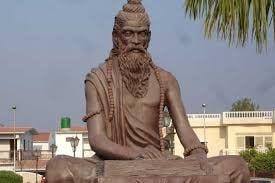
Patanjali, the ancient Indian philosopher and founder of yoga, on inspiration, the power of the mind, and how love and hatred alike return to their source.
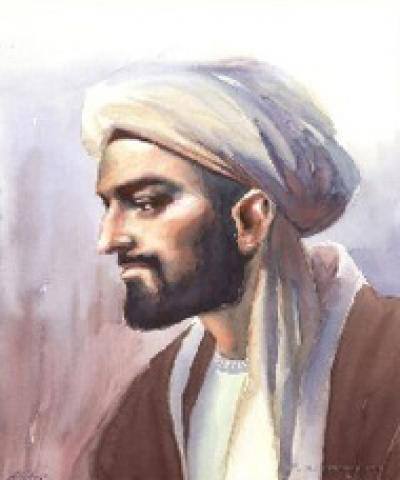
Ibn Khaldun on the three-generation life of a dynasty, asabiyyah, the paradox of taxation, and how prejudice blinds the soul to the truth.
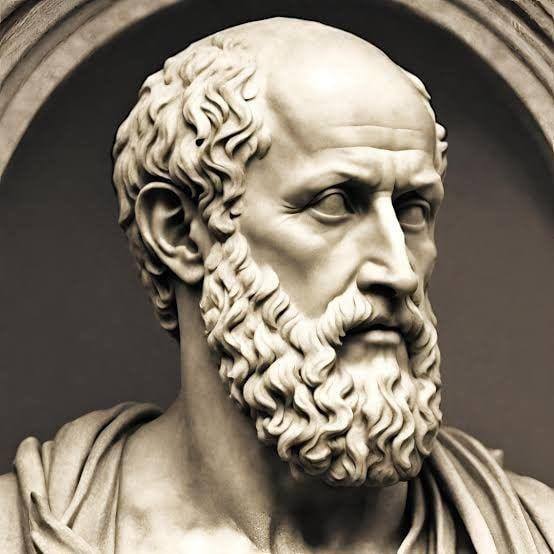
Plotinus on inner beauty — how self-knowledge and the cultivation of virtue make a person beautiful, and why happiness lies in the fullest life of the Spirit.

Talleyrand on the craft of government, the uses of flattery and the truth that in politics belief matters more than fact.
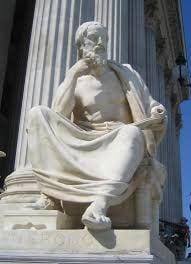
The Athenian lawgiver Solon on lifelong learning, the wise use of power, and laws that hold the weak but let the strong break through.
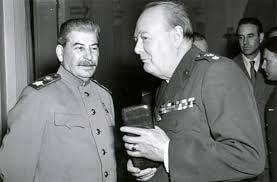
Churchill's famous tribute to Stalin as an extraordinary, ruthless and uniquely capable leader who took Russia with a wooden plough and left it with atomic weapons.
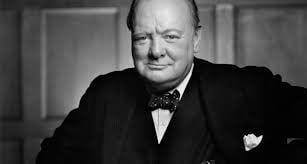
Winston Churchill on perseverance, the speed of a lie, the value of having enemies, and why history holds the secrets of political foresight.
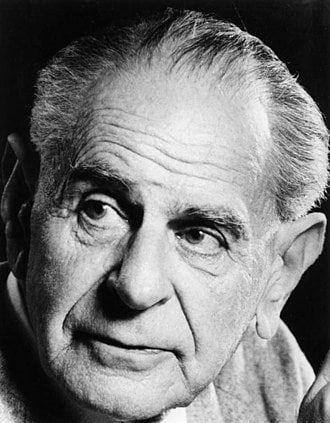
Karl Popper on the danger of utopian designs, the fashion that rules philosophy, and the lessons Plato still offers sociology.
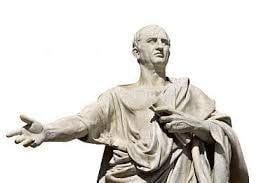
Cicero on the good life — a garden, a library, true friendship — and on the republic he defended to the end.
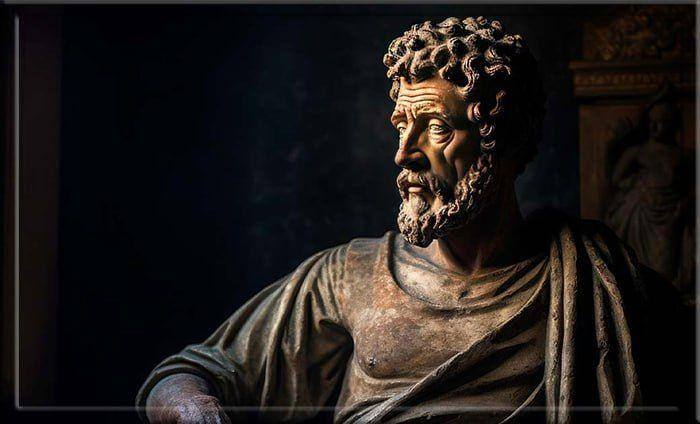
Marcus Aurelius on the limits of a human life, on living according to nature, and on the Stoic path to peace of mind.
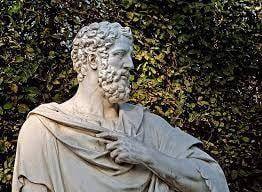
Apollonius of Tyana on self-serving judgement, the nature of divinity, and why medicine must care for both soul and body.
Abdulla Avloniy on raising a child from the first day of life, and on the Jadid movement that set out to modernise education in the Muslim world.

Zbigniew Brzezinski on Ukraine as the geopolitical pivot of Eurasia, and on how the West should deal with China.
Ibn Khaldun on why dynasties seldom outlast three generations, and on asabiyyah as the force behind the rise and fall of civilisations.
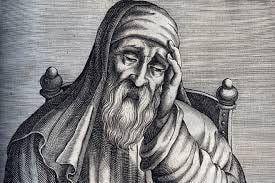
Plutarch on justice and greatness of soul, from his Parallel Lives — Diogenes before Alexander, the peace offer of Darius III and the king who would not drink alone.
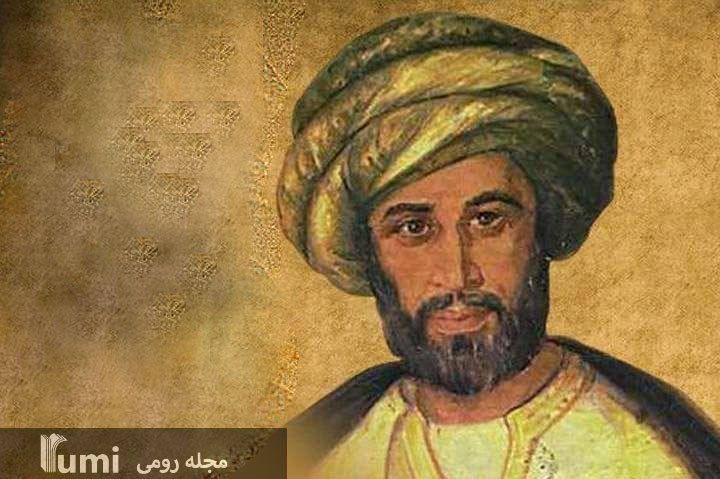
Abdullah ibn al-Muqaffa on self-respect, generosity and the discipline of silence, with an account of the Persian writer who gave Arabic its Kalila and Dimna.

Erasmus of Rotterdam on books, friendship and self-love, with an account of the humanist scholar the Northern Renaissance called its prince.
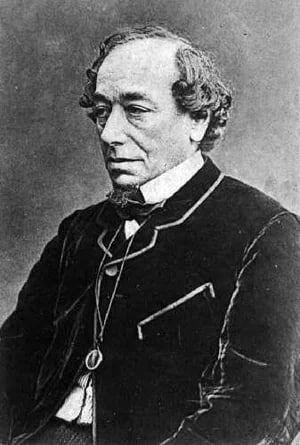
Benjamin Disraeli on doubt and certainty, the power of great thoughts, and the kind of information that decides who succeeds.
Benjamin West's 1770 painting "The Oath of Hannibal", commissioned by King George III, shows the boy Hannibal swearing eternal enmity towards Rome before a statue of Baal.
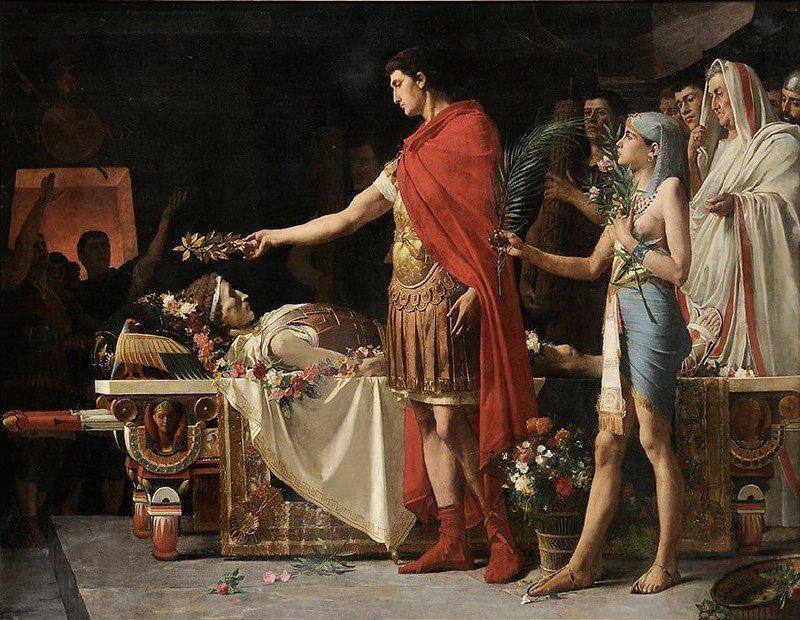
Alexander the Great on fortune, victory and ambition, followed by a short account of his life, his conquests and the empire that broke apart after his death.
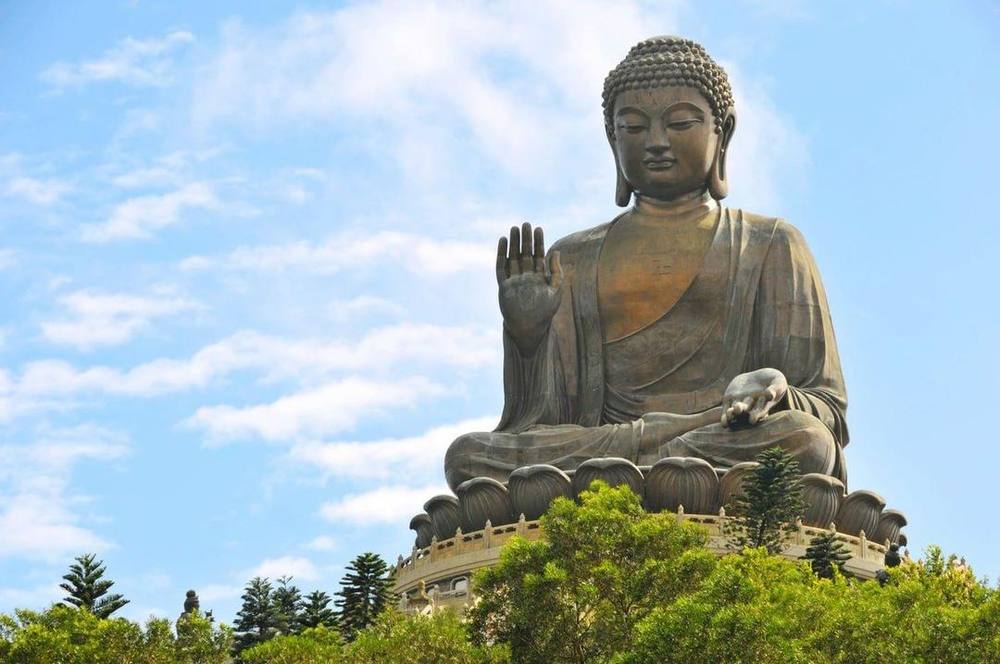
Mind precedes all phenomena. When the mind is known, all phenomena are known.
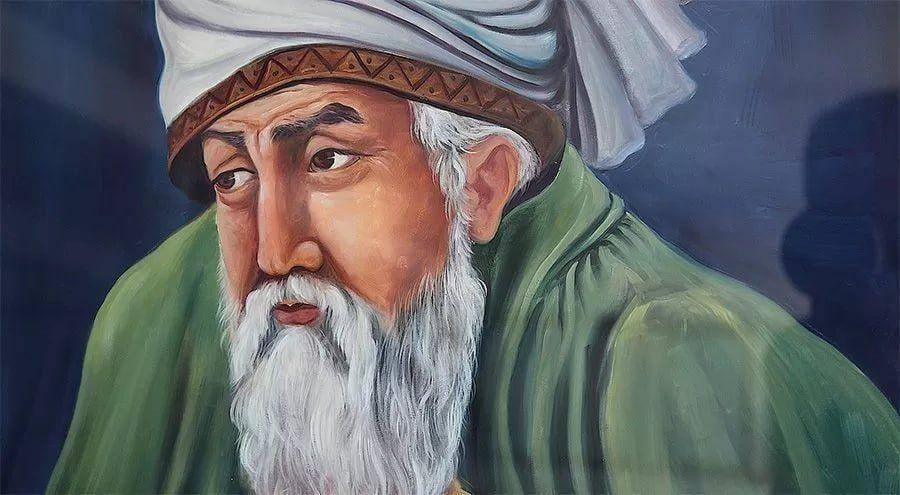
Rumi's counsel for hard times is not to tell the Almighty how great your trouble is, but to tell your trouble how great the Almighty is.
Winston Churchill's warning that nations which ignore the lessons of history are condemned to live through them again.
US President Donald Trump says Germany went so green that it nearly went bankrupt.
Rumi's call to fall silent and listen, so that the voice of the Beloved can be heard within the heart.
Leo Tolstoy's blunt verdict on the people who hold power, and on the irrationality that drives them.
Rumi on the gulf between the comfortable and the poor, and on how hard it is for the well-fed to grasp what want drives people to.
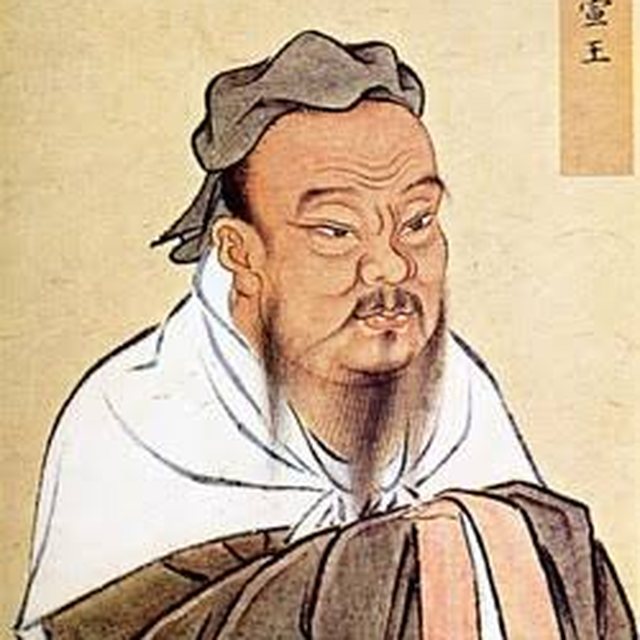
A saying attributed to Confucius on finding work that does not feel like work.
Dmitri Mendeleev's warning that instruction without moral formation puts a dangerous weapon into the hands of those who lack judgement.
A saying attributed to the Buddha on the truth that always comes to light.
Erich Maria Remarque on how the ability to think has been recast, over the centuries, as happiness, then illness, and finally crime.
Charlie Chaplin on why he disagreed with Freud about what really shapes human behaviour.
Four maxims from Vauvenargues on success, servitude, habit, and the gulf between small minds and great souls.
Lines from Kutadgu Bilig by the 11th-century Turkic poet Yusuf Khass Hajib Balasaguni on the memory a person leaves behind, and on the value of brief, weighty speech.
A Chinese proverb on how true skill shows itself in abundance, and on why kindness and mistakes alike call for careful thought.
The author closes his account of Ibn Miskawayh, the remarkable and profound thinker of the East whom the Muslim world counts as the "Third Teacher" after Aristotle and Al-Farabi.
A kind word will make even a sword return to its sheath, said Amir Temur the Great.
The fable shows that those who betray a friendship may escape the vengeance of the wronged, but they cannot escape the wrath of the Almighty.
A passage from Kutadgu Bilig by the 11th-century Turkic poet Yusuf Khass Hajib Balasaguni on the brevity of life and the duty to do good.
Sayings of Democritus on bad company, education, friendship and the care of the soul.
Plutarch recounts how the Spartans answered the Samian envoys and a long-winded orator, in his Table Talk.
A Chinese proverb on why a skilled trader conceals his riches and makes no show of them.
In January 2024 the IMF said Saudi Arabia had joined Argentina at the bottom of the G20 growth table. Non-oil sectors, however, are gaining ground under Vision 2030.
Laozi on self-mastery as a greater strength than power over other people.
A Buddhist saying on the saving power of refusing to meet anger with anger.
Egypt's population passed 110.5 million at the end of 2023, growing by more than 2% a year, with fertility of 3.53 births per woman.
A parable from S. N. Lazarev's book Diagnostics of Karma, in which a doctor is punished most harshly for easing suffering that illness was meant to teach.
Lenin's warning that people remain the foolish victims of deception and self-deception in politics until they learn to look behind fine phrases and promises for class interests.
Viktor Frankl on why success cannot be chased and must come as the by-product of devotion to a cause.
A passage from Helena Roerich on the key to every mystery, which lies within each person.