

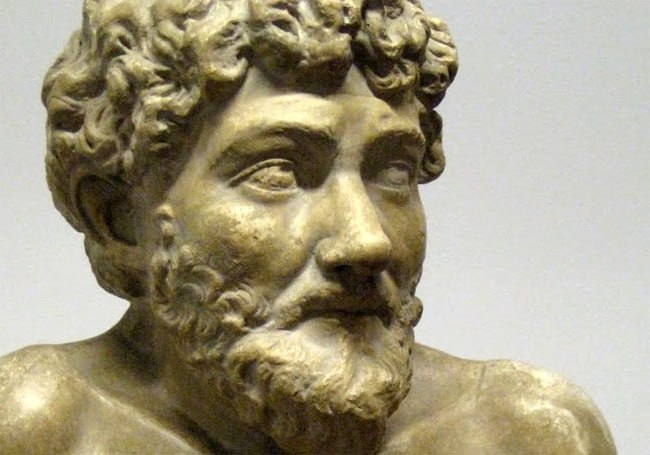

“Only those worse than us think ill of us; those better than us… they simply have no time for us”;
“Do not trust the one who speaks beautifully; there is always play-acting in his words. Trust the one who in silence does beautiful deeds”;
“If you expect gratitude for your kindness — you are not giving kindness, you are selling it”;
“Wisdom was being sold at the bazaar, and old age was thrown in for free. People walked on by and did not take it, leaving in silence, hiding their money. Folly was being sold at the bazaar, and youth was thrown in for free! People came up and bought it, running off, forgetting their change…”;
“Silence is a shield against many troubles, while idle talk always does harm. A man’s tongue is small, but how many lives it has broken”;
“Do not envy the one who is strong and rich, dawn is always followed by sunset. With this short life, as brief as a breath, deal as though it were lent to you”;
“A true friend is someone who tells you to your face everything he thinks of you, and tells everyone else that you are a wonderful person”;
“Keep few friends; do not enlarge your circle. And remember: a close friend living far away is better. Cast a calm eye over all who sit around you. In one you saw support, you may suddenly see an enemy.”
“Guard your words more securely than coins. Listen to the end — then give advice. You were given one tongue for two ears: so that you may hear two people out and give one piece of advice.”
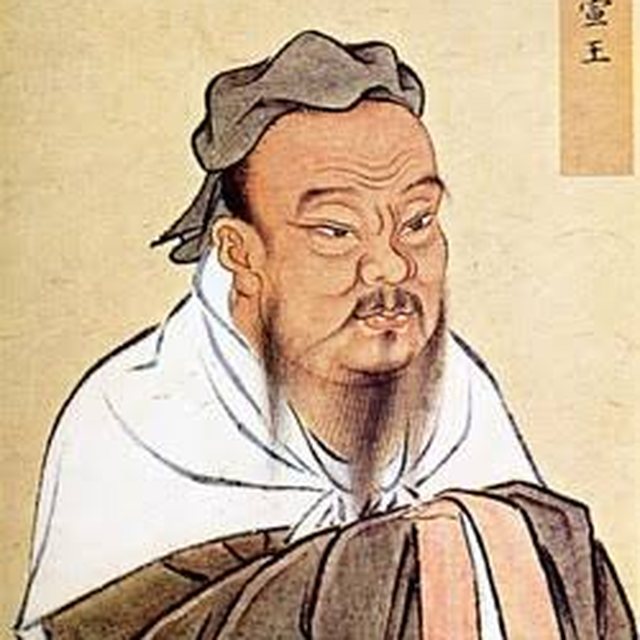
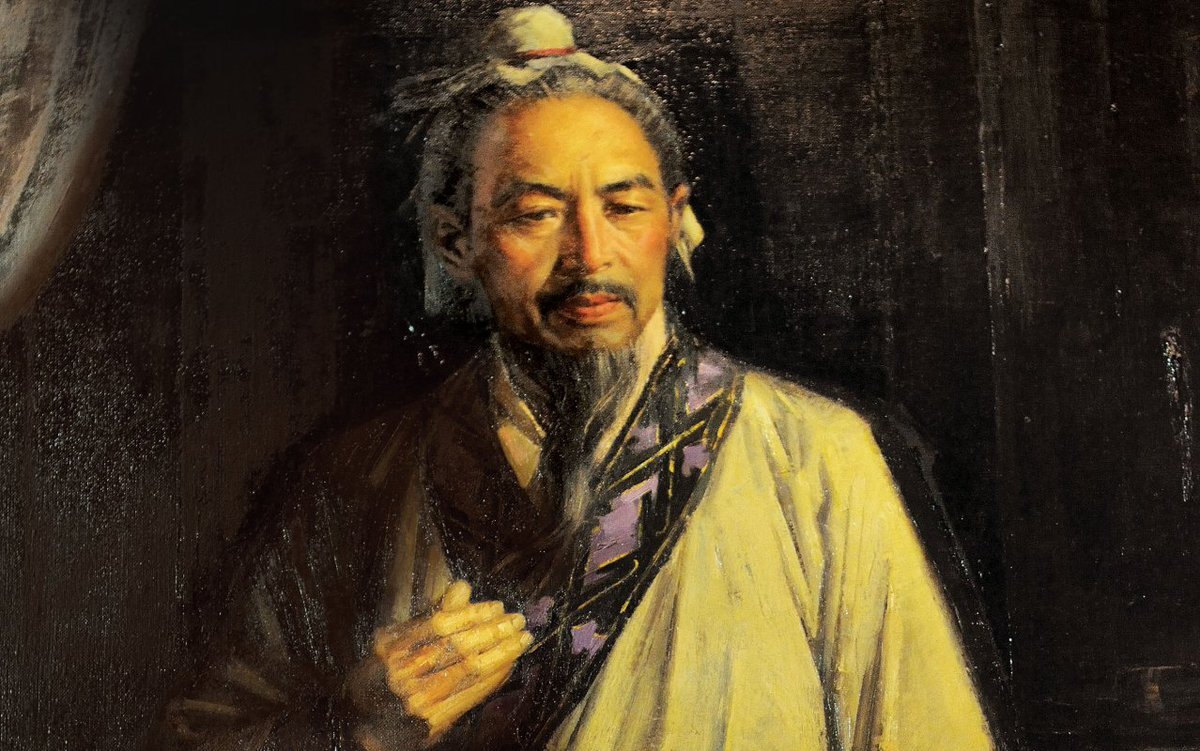
(Ghiyath al-Din Abu’l-Fath ibn Ibrahim Khayyam Nishapuri (1048–1131) was one of the outstanding Persian philosophers, a mathematician, astronomer and poet. At the age of eight he began to study mathematics, astronomy and philosophy in depth. He studied at the madrasas of Balkh, Samarkand and Bukhara. Omar Khayyam is known for his philosophical rubaiyat. He is considered a national poet in Iran, Tajikistan and Afghanistan. Omar Khayyam contributed to algebra by classifying cubic equations and solving them with the help of conic sections. He is also known for creating the most accurate of the calendars still in use.)