







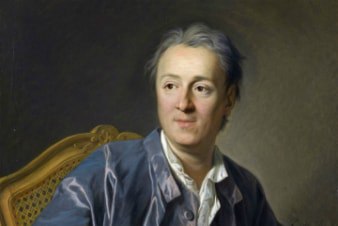
On the law issued in France to increase the population
Montesquieu on Louis XIV's pensions for large families and on how a depopulated state can be revived, from "The Spirit of the Laws".
Montesquieu on Louis XIV's pensions for large families and on how a depopulated state can be revived, from "The Spirit of the Laws".
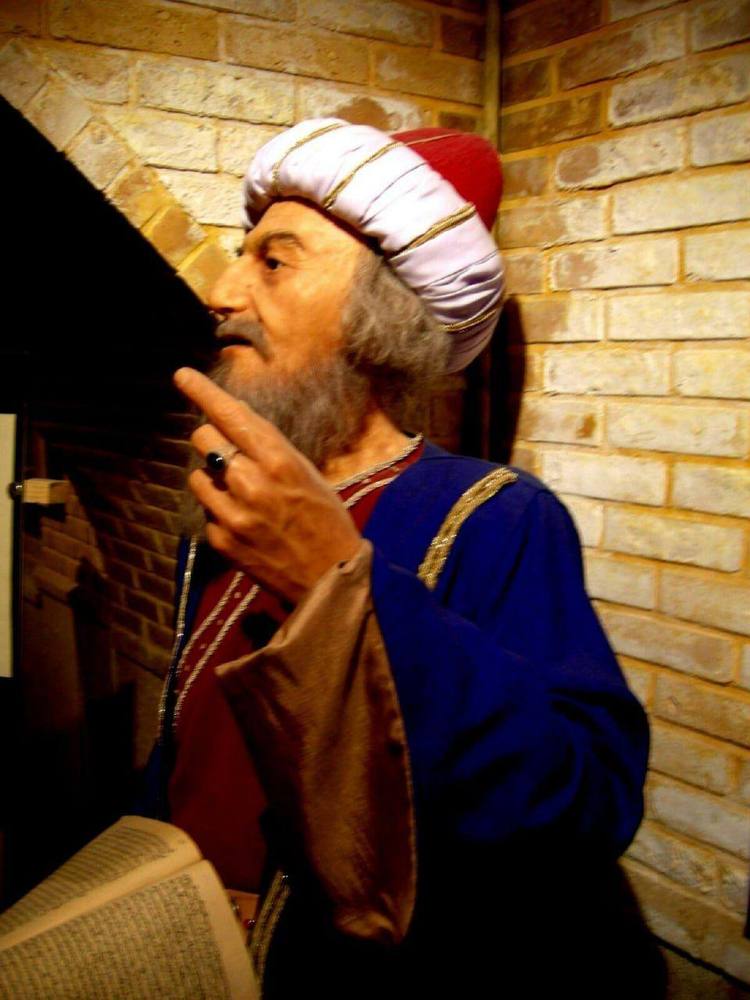
Jalal al-Din Davani on friendship as the path to perfection, on the danger of scattering oneself across different crafts, and on the discipline of silence, with an account of the Persian philosopher who served three dynasties.
Pope Paul IV on why truth is dangerous and the crowd wants only something to believe in, with an account of the inquisitor Gian Pietro Carafa, who became pope in 1555.
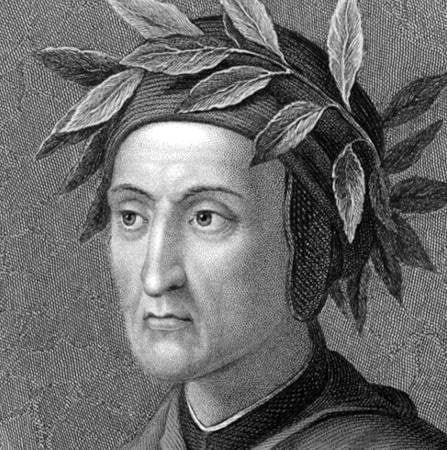
A selection of sayings from Dante Alighieri's "Divine Comedy", on the elusiveness of what we most desire, the discipline of following one's own road, and the love that moves the sun and the other stars.
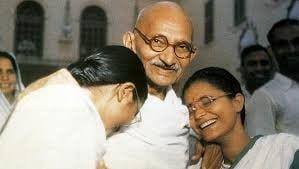
Gandhi on how movements are met, on finding yourself and on the inner voice, with a short note on his role in India's independence movement and his philosophy of non-violence.
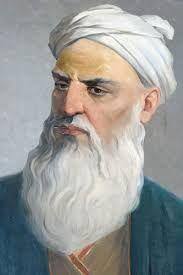
Rudaki on reason, knowledge and good deeds, with a short account of the poet born in Panjrud who led the circle of poets at the Samanid court in Bukhara.
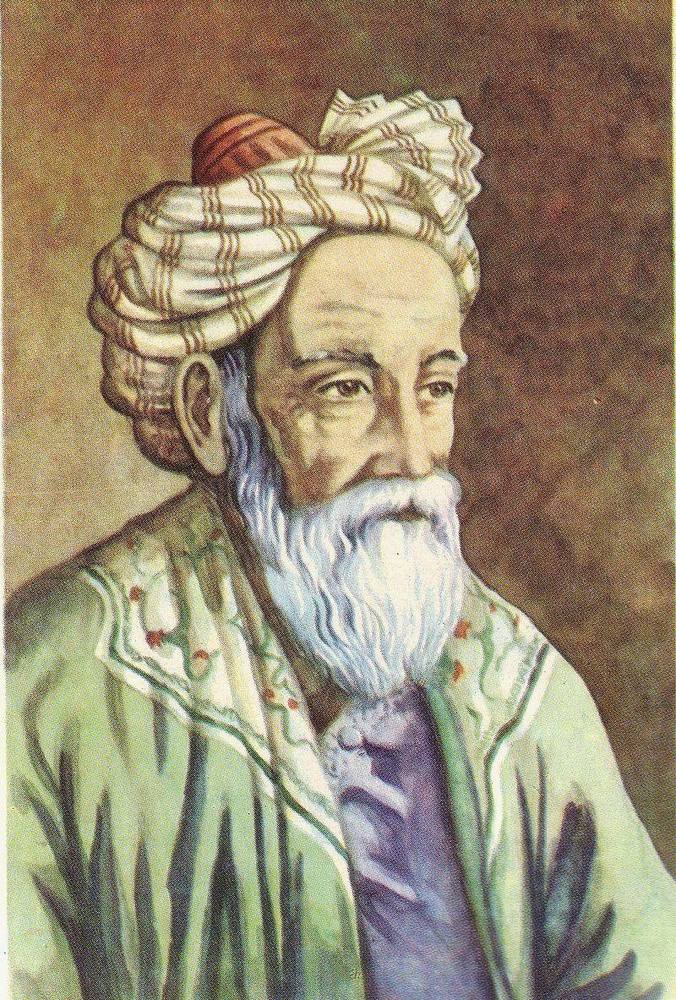
Omar Khayyam on envy, friendship, silence and the true price of kindness, with a short account of his life as a Persian philosopher, mathematician and astronomer.
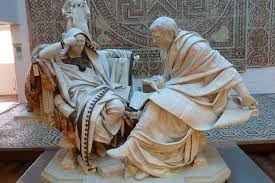
Seneca on claiming time for oneself, the many ways it is lost, and keeping the body in service of the soul — with an account of his life and death under Nero.
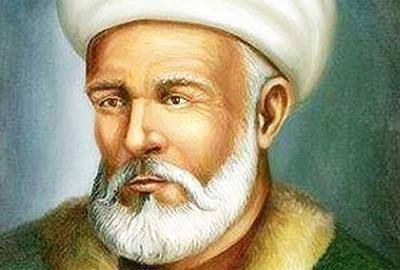
Al-Farabi on upbringing before instruction, the ruler's pursuit of true happiness, and moderation as the root of virtue.
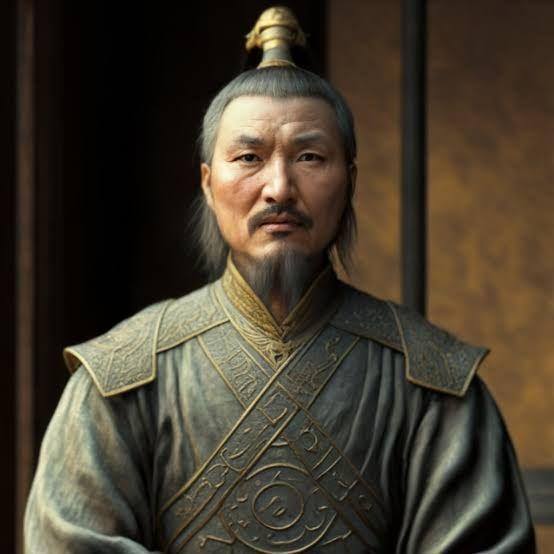
Sun Tzu on deception in war, the summit of military skill, and what an enemy's peace overtures really mean.
Ahmad Donish on contentment, the regimen of eating and drinking, and the price of freedom from earthly burdens.
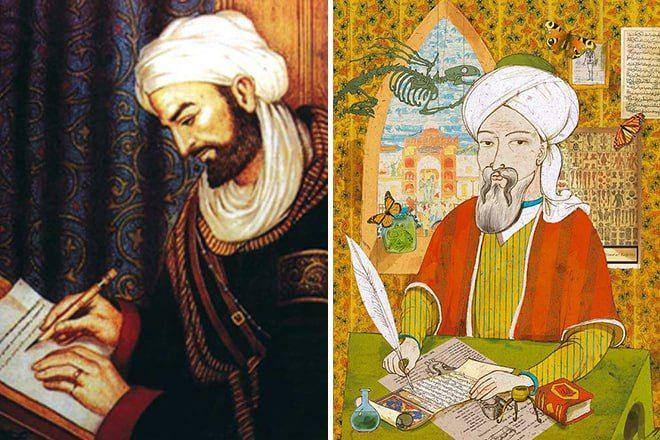
Ibn Sina, known in the West as Avicenna, on dealing with the ignorant, the gifts a physician must have, and justice as the finest ornament of human deeds.

Otto von Bismarck on lying in wartime and elections, finding a case for war, and what a state's attitude to its teachers reveals.
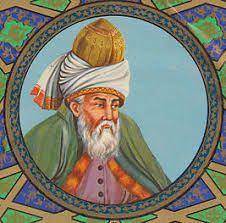
Rumi on grief as a garden of compassion, on finding God in one's own heart, and on the calling placed in every heart.
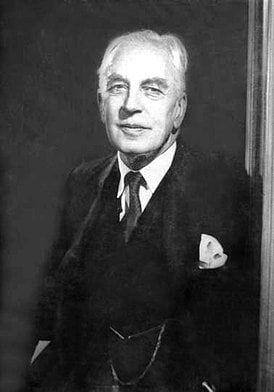
Arnold J. Toynbee on the pattern behind the rise and fall of civilisations, the components of culture and the surest way to reach a goal.
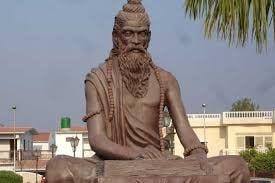
Patanjali, the ancient Indian philosopher and founder of yoga, on inspiration, the power of the mind, and how love and hatred alike return to their source.
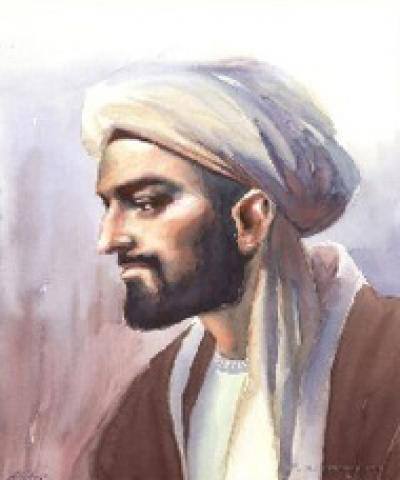
Ibn Khaldun on the three-generation life of a dynasty, asabiyyah, the paradox of taxation, and how prejudice blinds the soul to the truth.
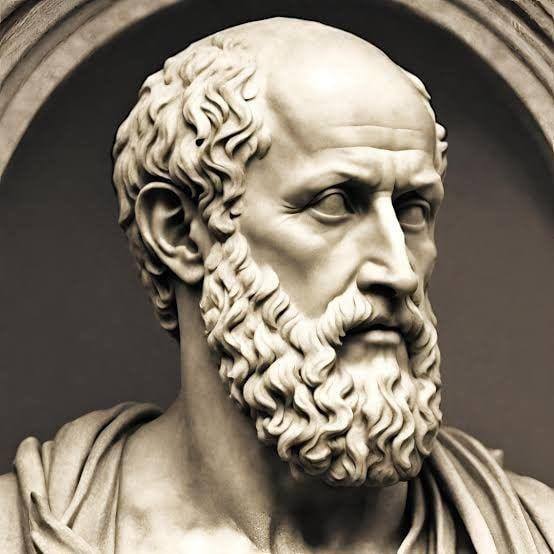
Plotinus on inner beauty — how self-knowledge and the cultivation of virtue make a person beautiful, and why happiness lies in the fullest life of the Spirit.
Cicero on the good life — a garden, a library, true friendship — and on the republic he defended to the end.
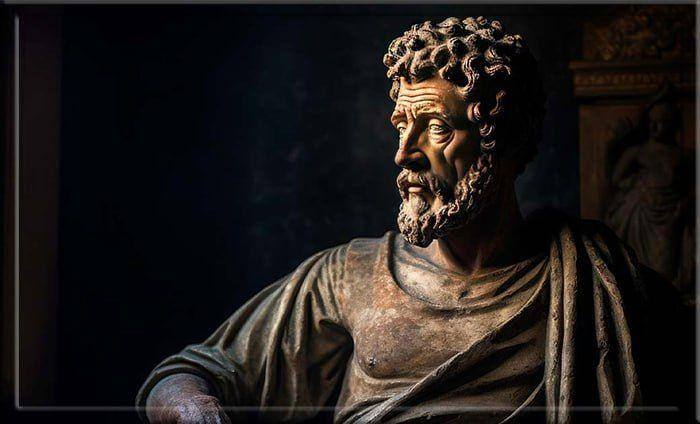
Marcus Aurelius on the limits of a human life, on living according to nature, and on the Stoic path to peace of mind.
Apollonius of Tyana on self-serving judgement, the nature of divinity, and why medicine must care for both soul and body.
Abdulla Avloniy on raising a child from the first day of life, and on the Jadid movement that set out to modernise education in the Muslim world.

Zbigniew Brzezinski on Ukraine as the geopolitical pivot of Eurasia, and on how the West should deal with China.
Ibn Khaldun on why dynasties seldom outlast three generations, and on asabiyyah as the force behind the rise and fall of civilisations.
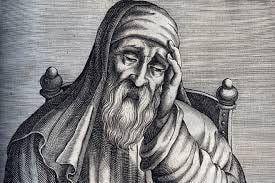
Plutarch on justice and greatness of soul, from his Parallel Lives — Diogenes before Alexander, the peace offer of Darius III and the king who would not drink alone.
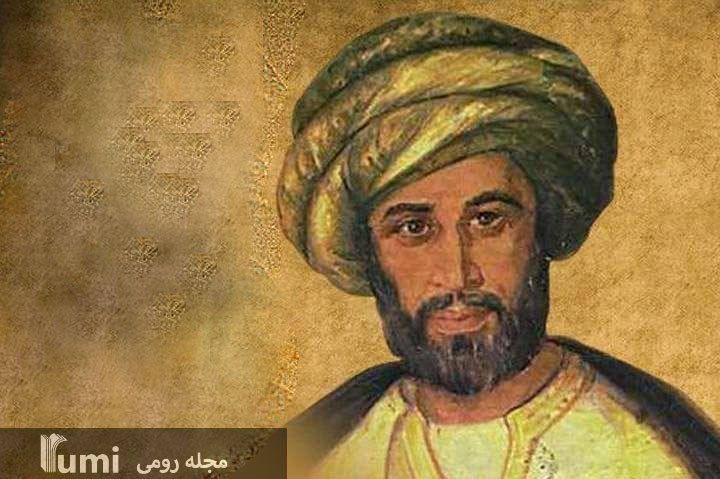
Abdullah ibn al-Muqaffa on self-respect, generosity and the discipline of silence, with an account of the Persian writer who gave Arabic its Kalila and Dimna.

Erasmus of Rotterdam on books, friendship and self-love, with an account of the humanist scholar the Northern Renaissance called its prince.
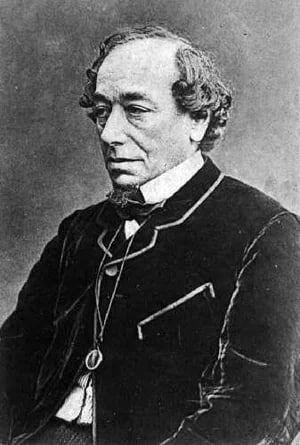
Benjamin Disraeli on doubt and certainty, the power of great thoughts, and the kind of information that decides who succeeds.
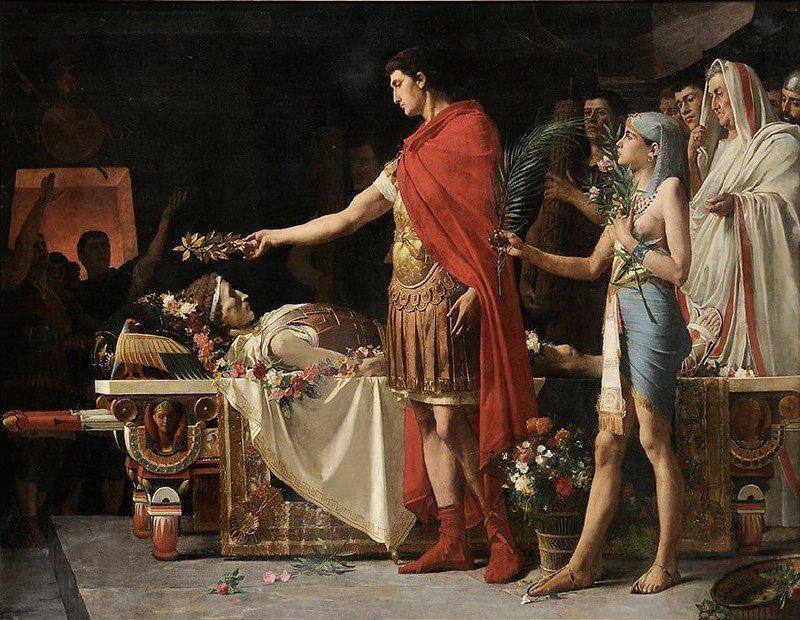
Alexander the Great on fortune, victory and ambition, followed by a short account of his life, his conquests and the empire that broke apart after his death.