


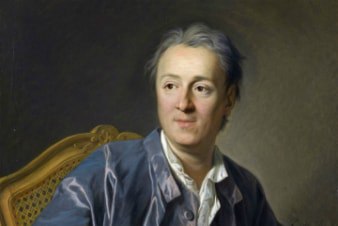
On the law issued in France to increase the population
Montesquieu on Louis XIV's pensions for large families and on how a depopulated state can be revived, from "The Spirit of the Laws".
Montesquieu on Louis XIV's pensions for large families and on how a depopulated state can be revived, from "The Spirit of the Laws".
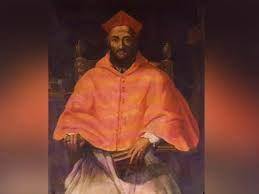
Pope Paul IV on why truth is dangerous and the crowd wants only something to believe in, with an account of the inquisitor Gian Pietro Carafa, who became pope in 1555.
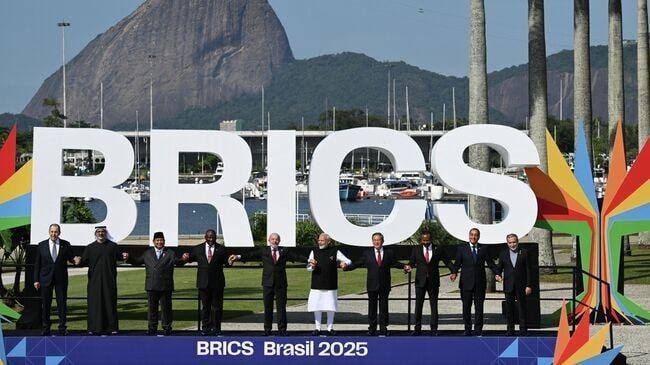
The joint declaration adopted by BRICS at its 17th summit in Rio de Janeiro calls for an immediate, permanent and unconditional ceasefire in Gaza, the full withdrawal of Israeli troops from the occupied Palestinian territories, and a global framework for governing artificial intelligence.
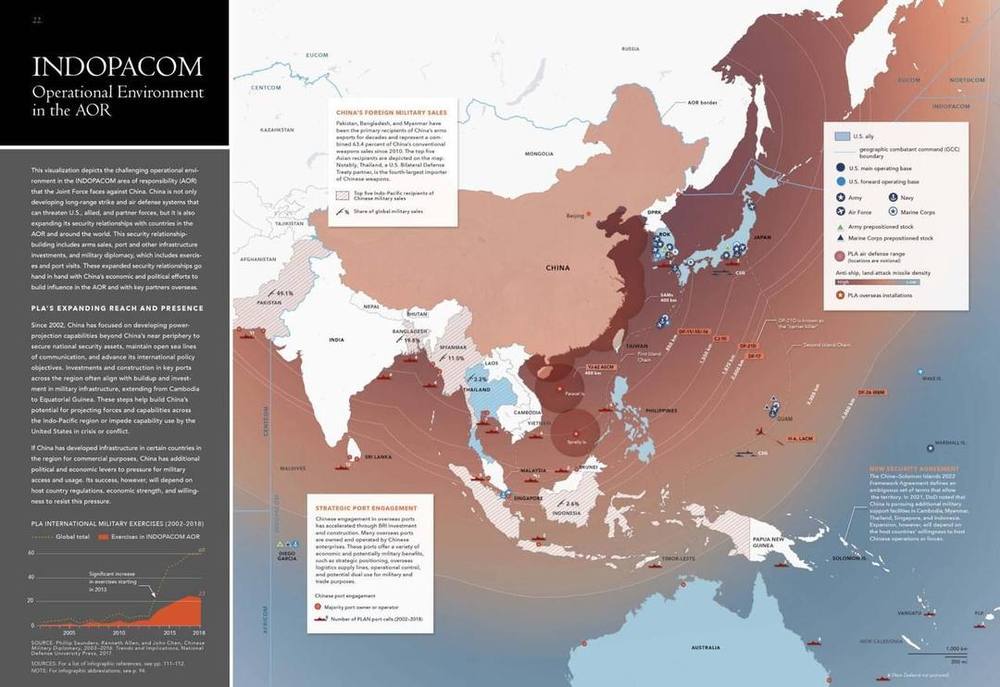
This infographic maps the complex operational picture in the INDOPACOM area of responsibility, where the United States confronts China.
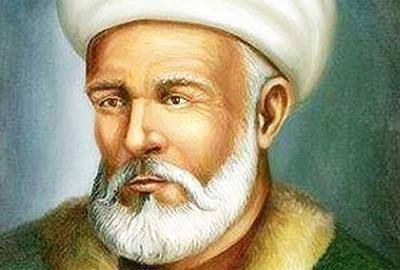
Al-Farabi on upbringing before instruction, the ruler's pursuit of true happiness, and moderation as the root of virtue.

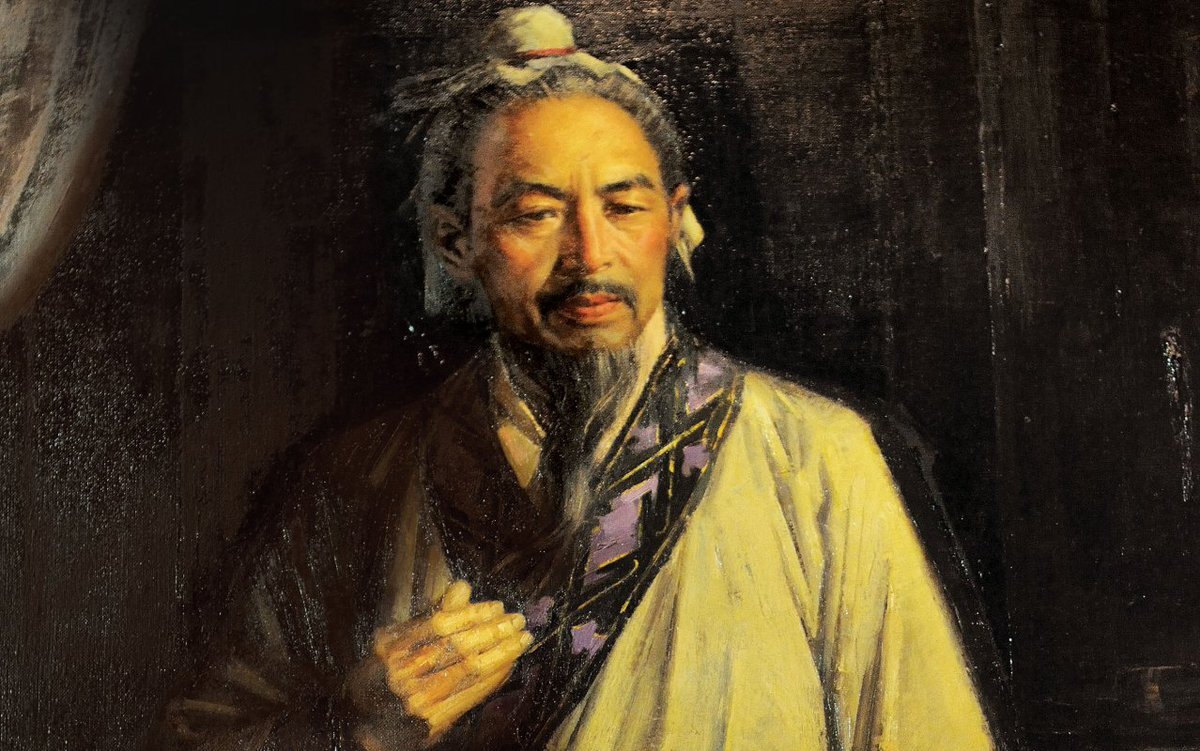
Sun Tzu on deception in war, the summit of military skill, and what an enemy's peace overtures really mean.
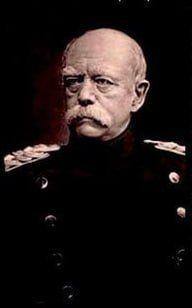
Otto von Bismarck on lying in wartime and elections, finding a case for war, and what a state's attitude to its teachers reveals.
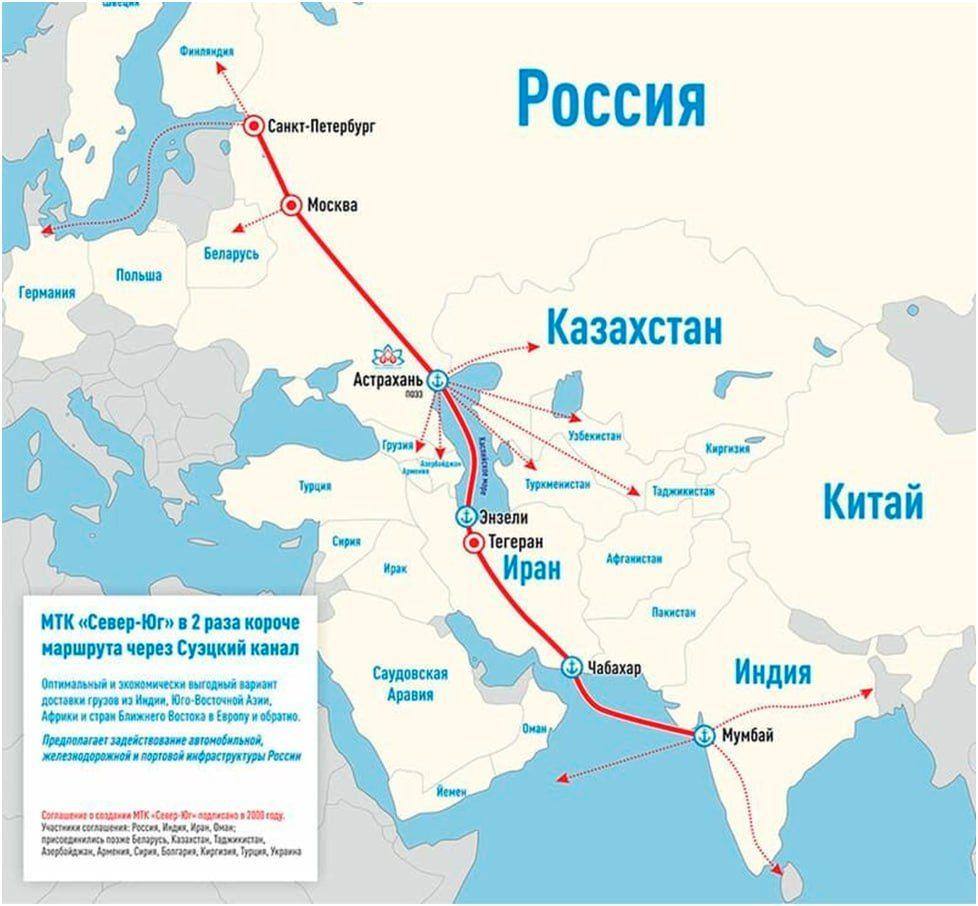
The International North–South Transport Corridor is an ambitious 7,200-km multimodal route from St Petersburg to Mumbai. Because every branch of it runs through Iran, the country has become the corridor's pivotal link.
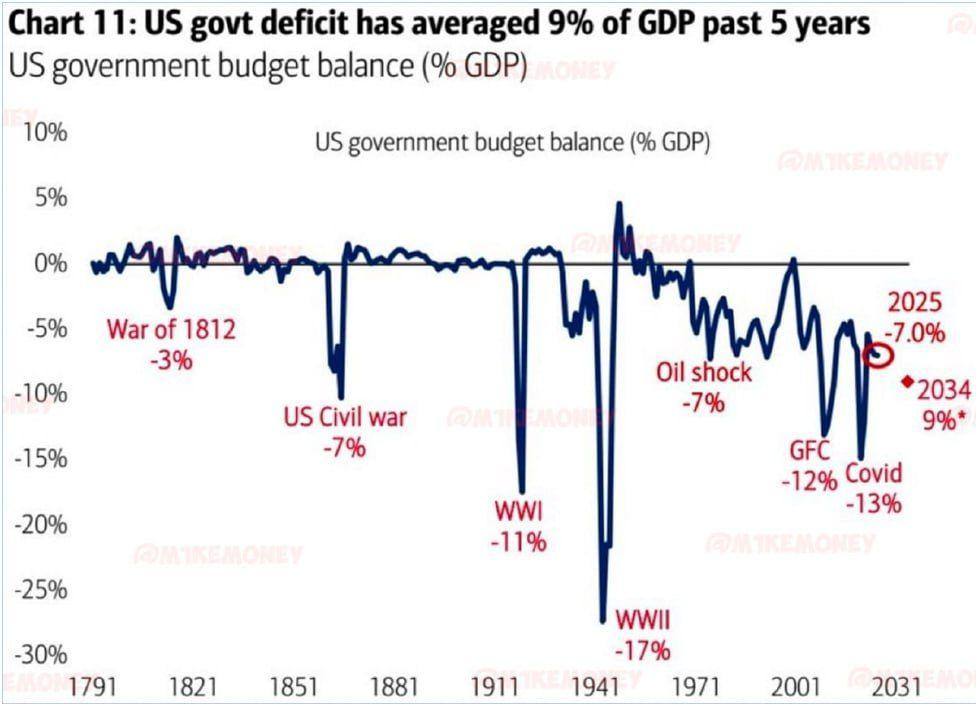
The chart traces the US budget deficit as a share of GDP over more than 200 years of American statehood, from the years before the world wars to the 9% average of the past five years.

The author's case for why Chinese manufacturers dominate the global solar panel and battery sectors: long-term state industrial strategy, subsidies, self-sufficiency in minerals, scale, automation and cheap electricity.
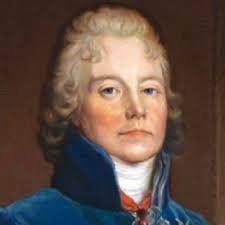
Talleyrand on the craft of government, the uses of flattery and the truth that in politics belief matters more than fact.
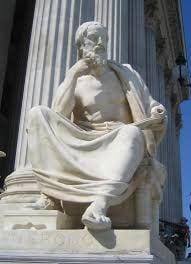
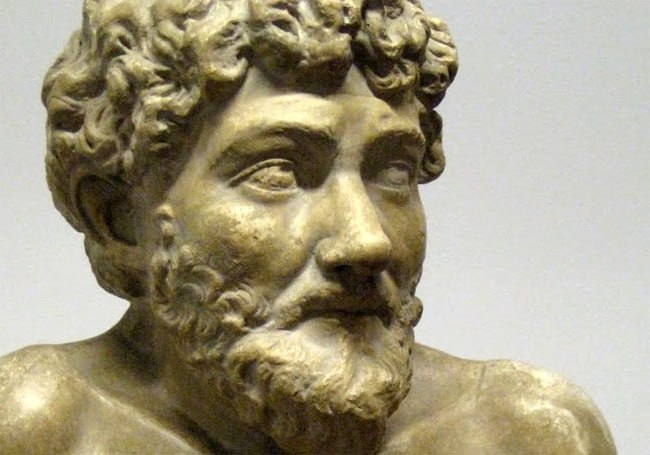
The Athenian lawgiver Solon on lifelong learning, the wise use of power, and laws that hold the weak but let the strong break through.
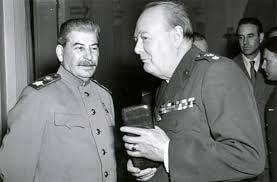
Churchill's famous tribute to Stalin as an extraordinary, ruthless and uniquely capable leader who took Russia with a wooden plough and left it with atomic weapons.
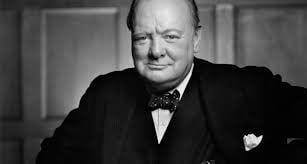
Winston Churchill on perseverance, the speed of a lie, the value of having enemies, and why history holds the secrets of political foresight.
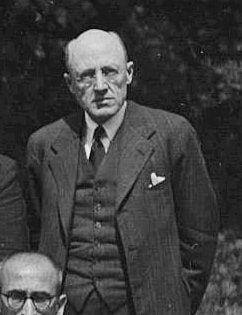
The British diplomat Lord Ponsonby set out the main principles of war propaganda in his 1928 book Falsehood in War-Time.
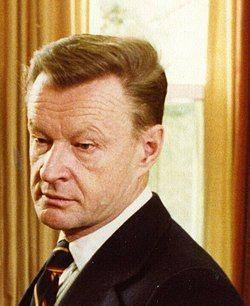
Zbigniew Brzezinski on Ukraine as the geopolitical pivot of Eurasia, and on how the West should deal with China.
Ibn Khaldun on why dynasties seldom outlast three generations, and on asabiyyah as the force behind the rise and fall of civilisations.
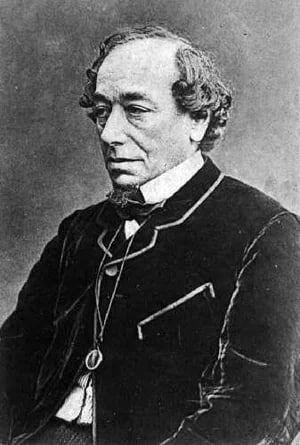
Benjamin Disraeli on doubt and certainty, the power of great thoughts, and the kind of information that decides who succeeds.
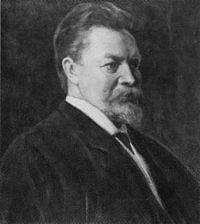
Rudolf Kjellén (1864–1922) was a Swedish geographer and political figure who considered himself a pupil of Friedrich Ratzel. His doctrine treated the state as a living organism and defined the great powers by three spatial factors.
After Germany abandoned its nuclear programme and closed its plants, German imports of nuclear-generated electricity hit a record in 2024.
Lenin's warning that people remain the foolish victims of deception and self-deception in politics until they learn to look behind fine phrases and promises for class interests.