


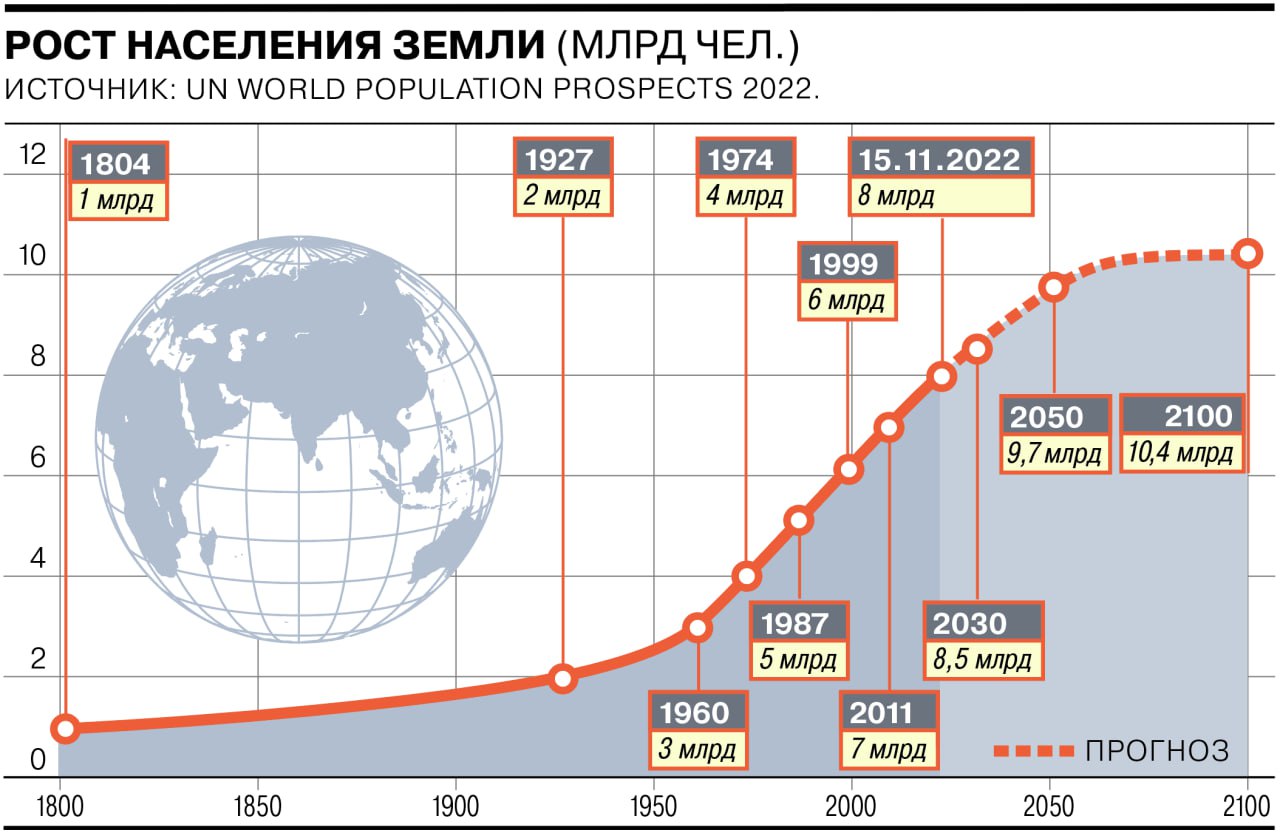
World population growth to 2100
For a long time the world's population grew very slowly, passing 1 billion only in 1804; two centuries later it reached 8 billion. UN forecasts now expect growth to level off after the 2050s.
For a long time the world's population grew very slowly, passing 1 billion only in 1804; two centuries later it reached 8 billion. UN forecasts now expect growth to level off after the 2050s.
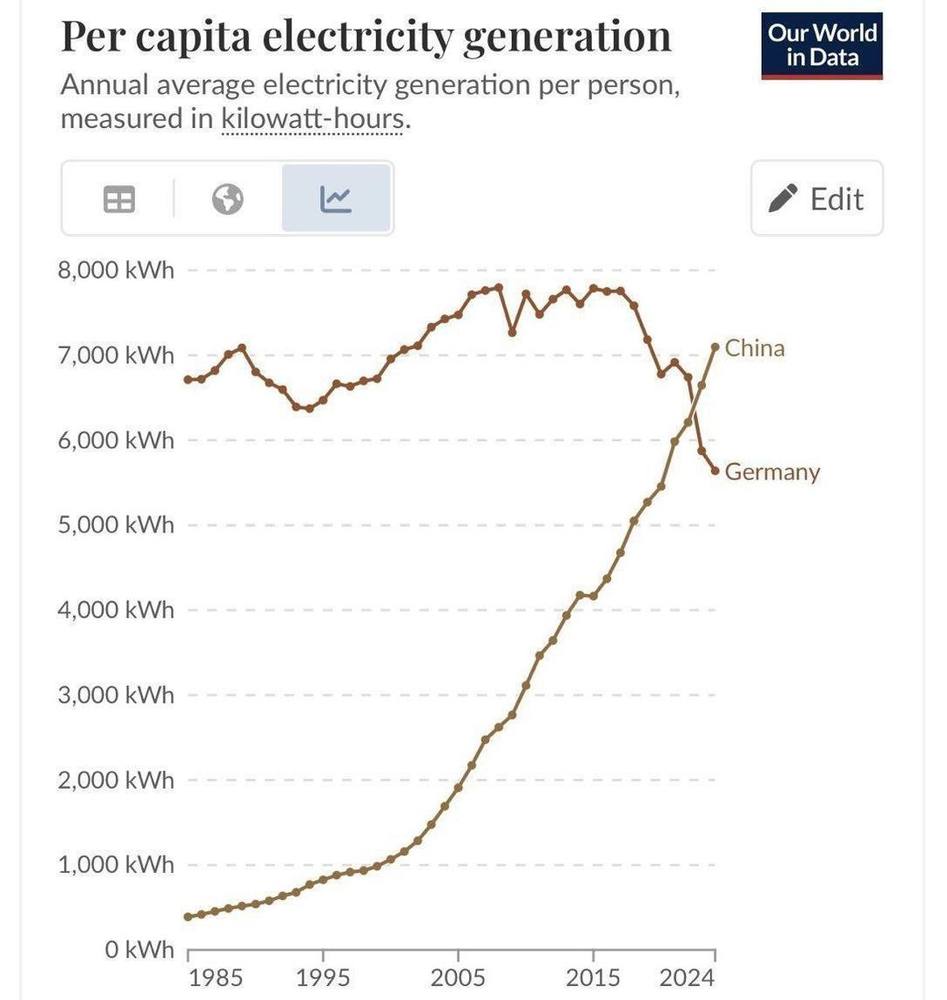
Germany's electricity generation per capita falls year after year, while China's has risen continuously for at least three decades — a sign of where industrial capacity is heading.
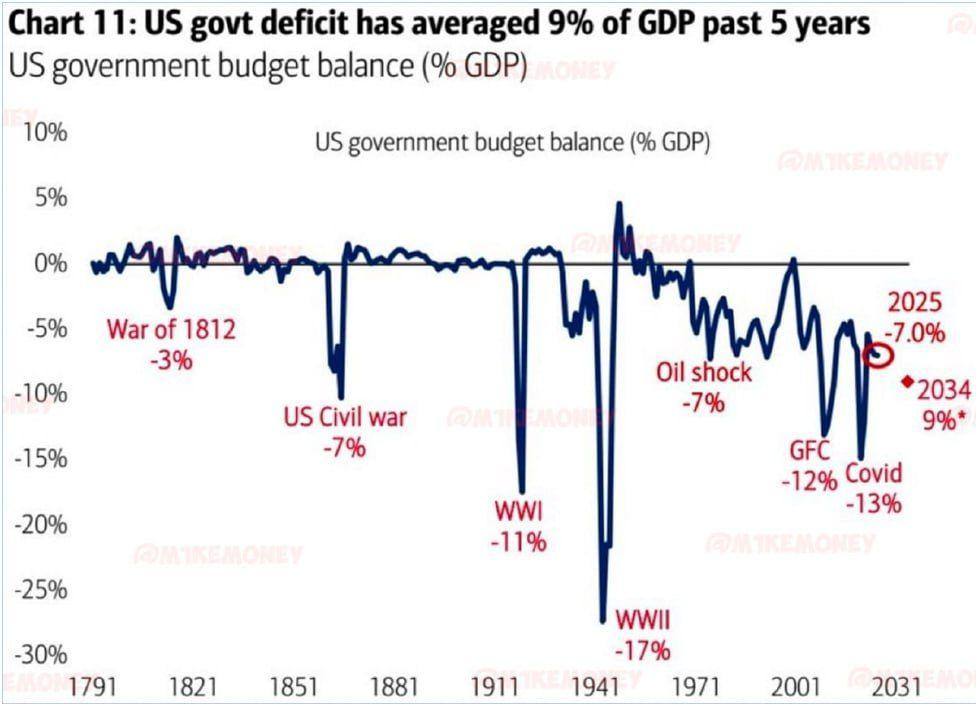
The chart traces the US budget deficit as a share of GDP over more than 200 years of American statehood, from the years before the world wars to the 9% average of the past five years.
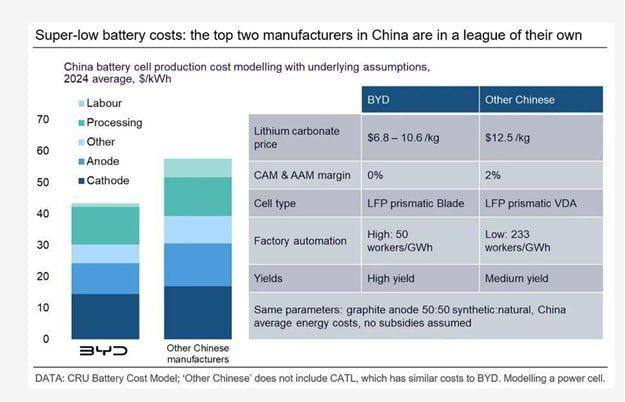
The author's case for why Chinese manufacturers dominate the global solar panel and battery sectors: long-term state industrial strategy, subsidies, self-sufficiency in minerals, scale, automation and cheap electricity.
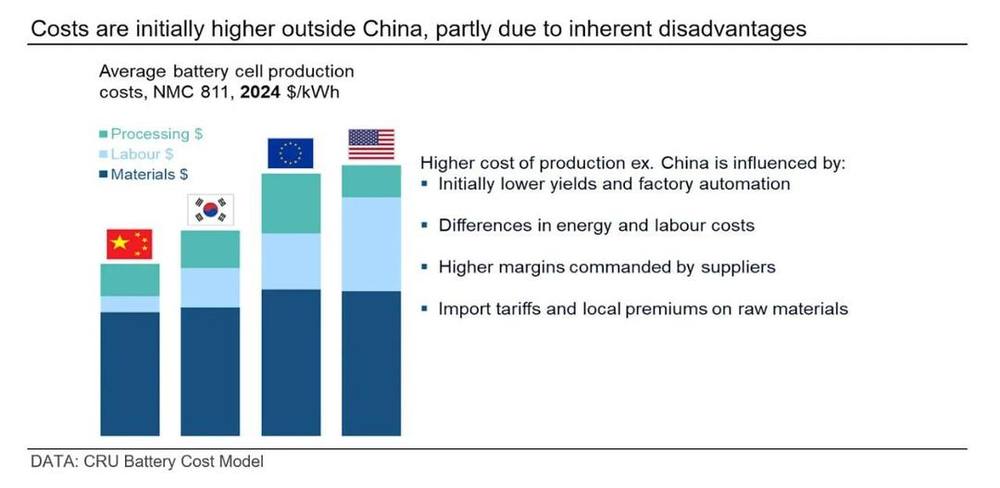
The chart compares the average cost of producing battery cells in China, South Korea, the European Union and the United States, and shows why the US and the EU lag behind China.
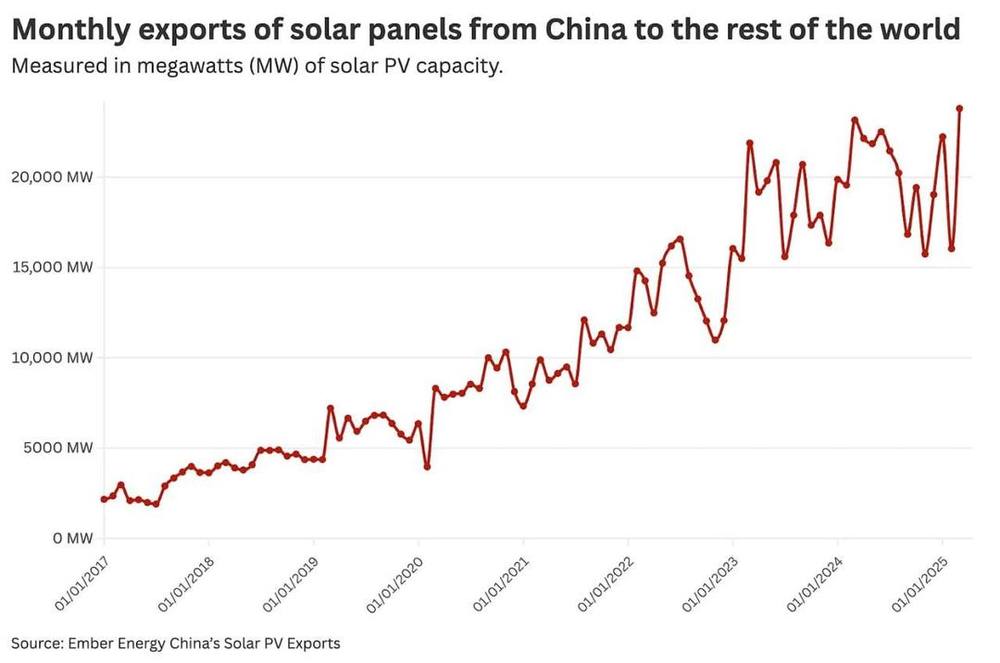
China's monthly exports of solar panels to the rest of the world, measured in megawatts (MW). Chinese panels are far cheaper than those made elsewhere, and China also produces three-quarters of the world's batteries.
US President Donald Trump says Germany went so green that it nearly went bankrupt.
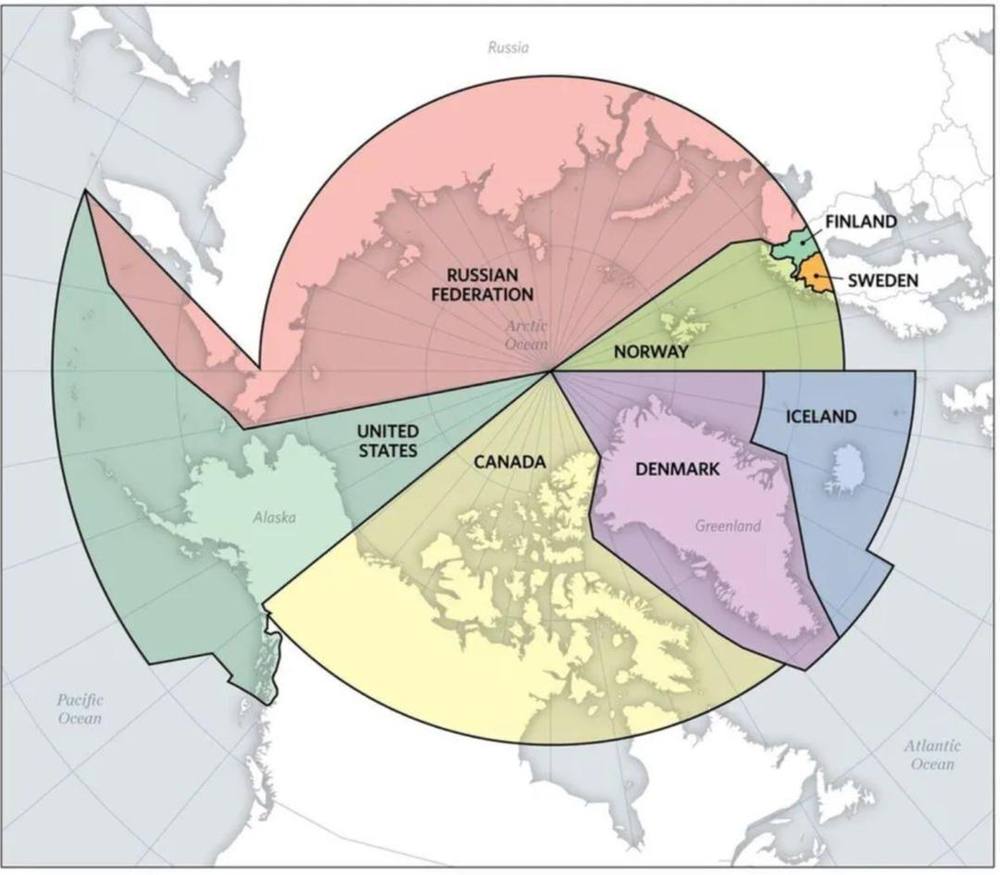
This map shows the territories countries hold in the Arctic, a region now at the centre of economic and geopolitical competition between the United States, Russia and China.
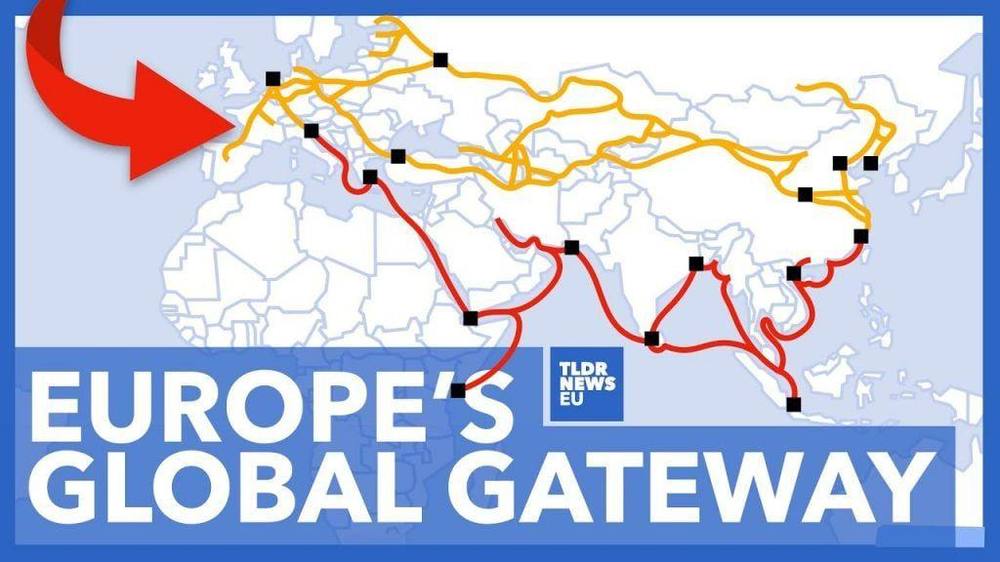
The European Union's Global Gateway strategy aims to speed up digital, energy and environmental transformation in emerging and developing economies, mobilising €300 billion of investment by 2027.
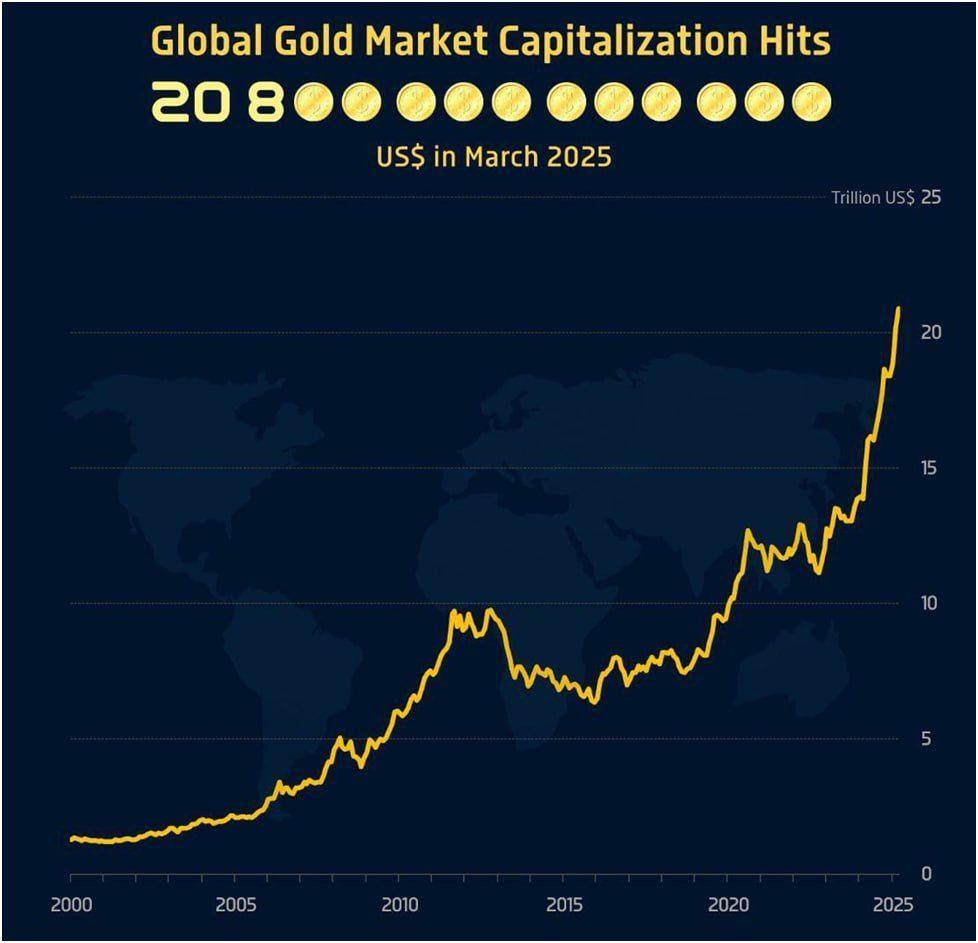
The capitalisation of the global gold market has passed $20.8 trillion, as uncertainty and inflation drive investors towards the metal.
China controls 62% of the global electric vehicle market and holds on to its lead in electric transport.
The Development Road international transport corridor (ITC) is intended to link the Persian Gulf with Europe through Iraq and Türkiye.
According to an IMF report, artificial intelligence affects occupations differently: some face a high risk of replacement, others are safe.
After Germany abandoned its nuclear programme and closed its plants, German imports of nuclear-generated electricity hit a record in 2024.
In response to the 10% tariffs the United States imposed on imports from China, Beijing introduced additional duties of 15% on US coal and liquefied natural gas (LNG), and 10% on American oil, agricultural machinery, large-engine cars and pickups.
In the 1990s Europe, the United States and Japan made all of the world's semiconductors. Their combined share has since collapsed, while China has gone from 0% to 24%.
According to the US Department of Energy, the United States is the world's largest crude oil producer, pumping almost 13 million barrels a day. This article looks at Texas, the country's energy heartland and second most populous state.
China's outward foreign direct investment by country: the distribution based on fDi Markets data.
Saudi Vision 2030 aims to wean the kingdom off oil by building up finance, industry, tourism and electronics. Non-oil sectors, including the public sector, now make up half of GDP.
In January 2024 the IMF said Saudi Arabia had joined Argentina at the bottom of the G20 growth table. Non-oil sectors, however, are gaining ground under Vision 2030.
Egypt's population passed 110.5 million at the end of 2023, growing by more than 2% a year, with fertility of 3.53 births per woman.