


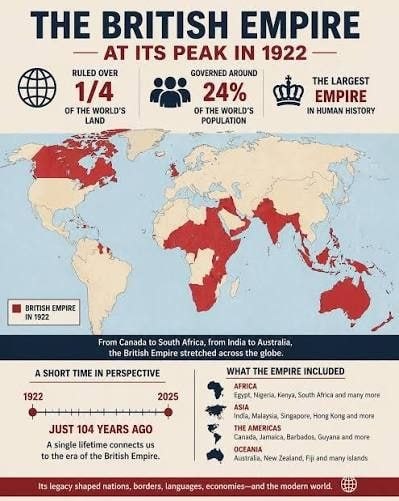
The British Empire at Its Peak (1922)
By 1922 the British Empire controlled 36,190,000 km² — about a quarter of the world's land — and 480 million people, roughly 24% of the world's population.
By 1922 the British Empire controlled 36,190,000 km² — about a quarter of the world's land — and 480 million people, roughly 24% of the world's population.
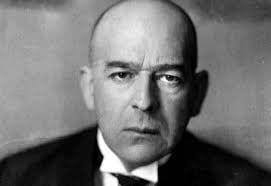
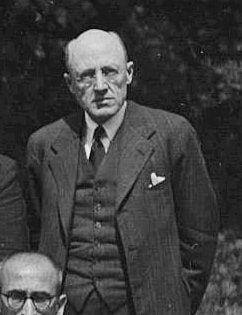
Oswald Spengler on the language of lies, the press and war, and culture turning into civilisation.
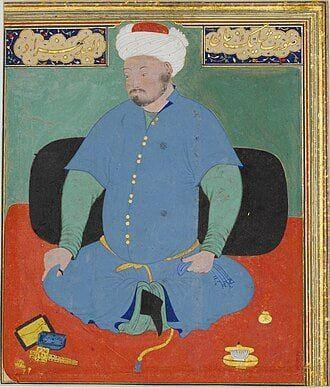
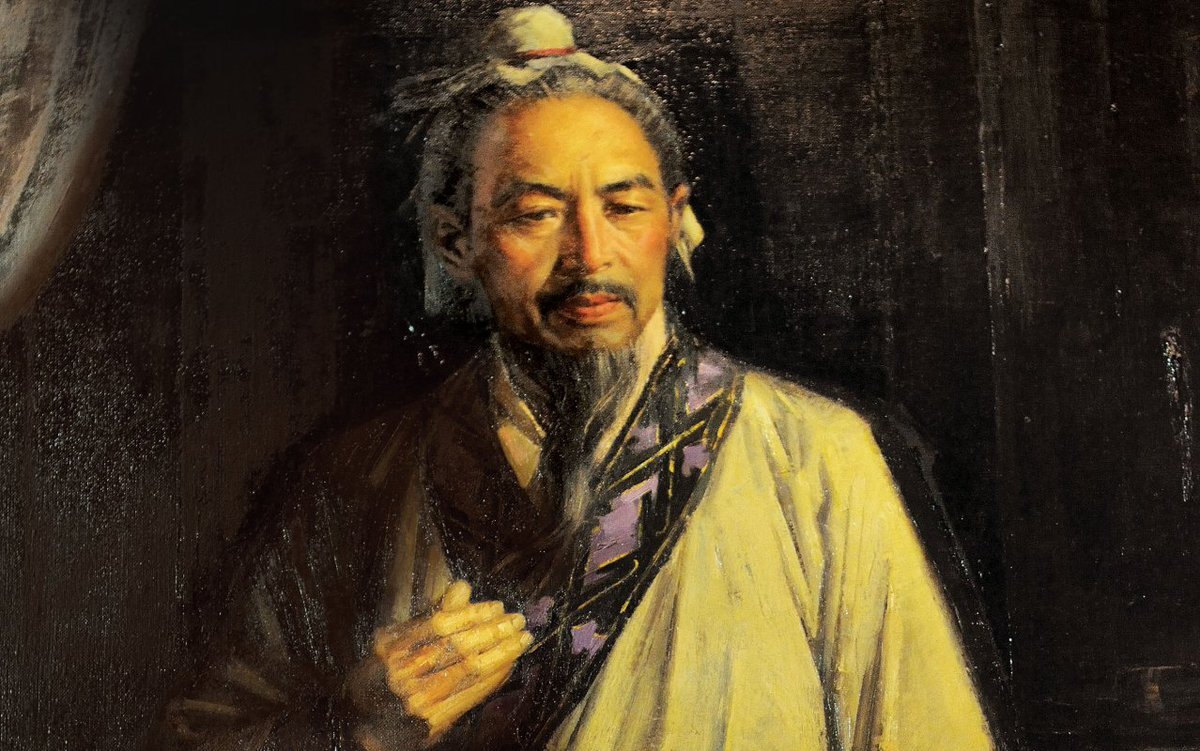
The founder of the Shaybanid dynasty and khan of the Bukhara Khanate was one of the outstanding commanders and statesmen of his age. Part 1 traces his education in Bukhara and the ambition he carried back to the steppes; part 2 follows his conquest of Transoxiana, Khorezm and Khorasan.
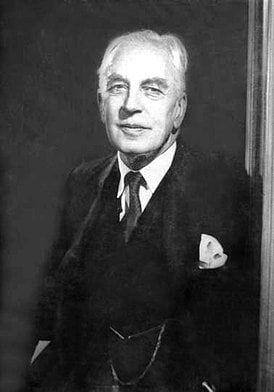
Arnold J. Toynbee on the pattern behind the rise and fall of civilisations, the components of culture and the surest way to reach a goal.
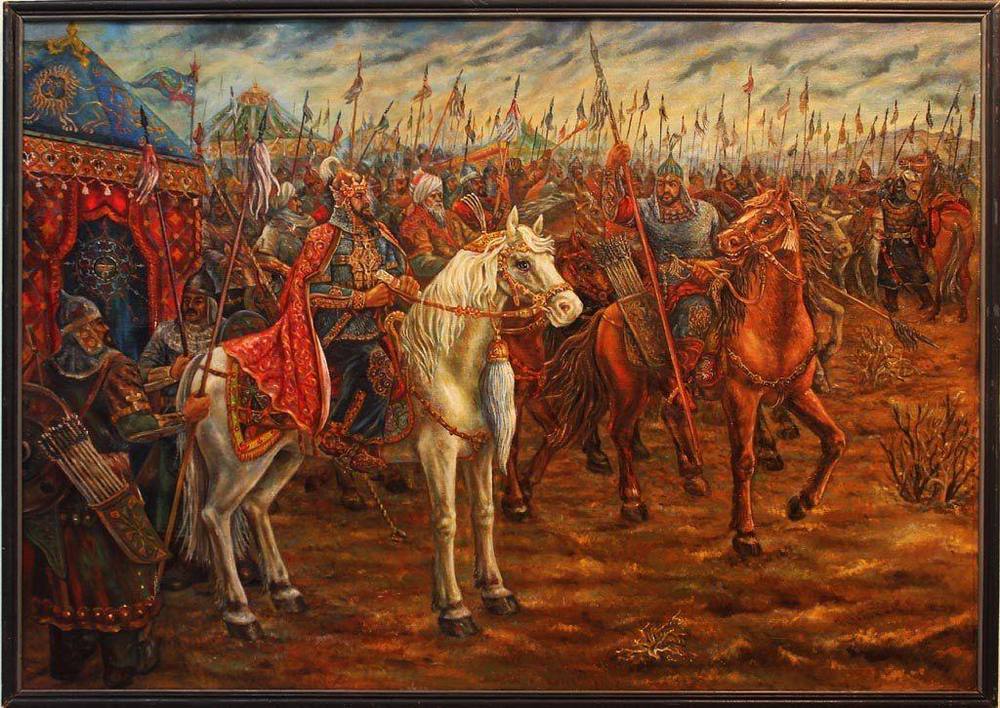
In my view, though I may be mistaken, the Great Temur ranks first among the greatest commanders in all history, followed by Genghis Khan, Alexander the Great and Hannibal Barca.
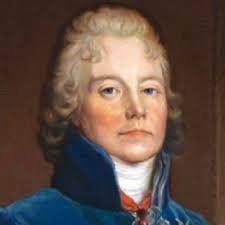
Talleyrand on the craft of government, the uses of flattery and the truth that in politics belief matters more than fact.
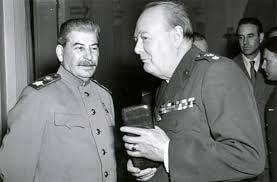
Churchill's famous tribute to Stalin as an extraordinary, ruthless and uniquely capable leader who took Russia with a wooden plough and left it with atomic weapons.
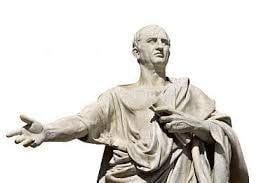
Cicero on the good life — a garden, a library, true friendship — and on the republic he defended to the end.
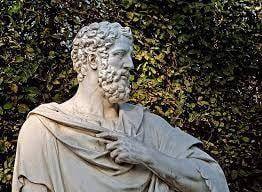
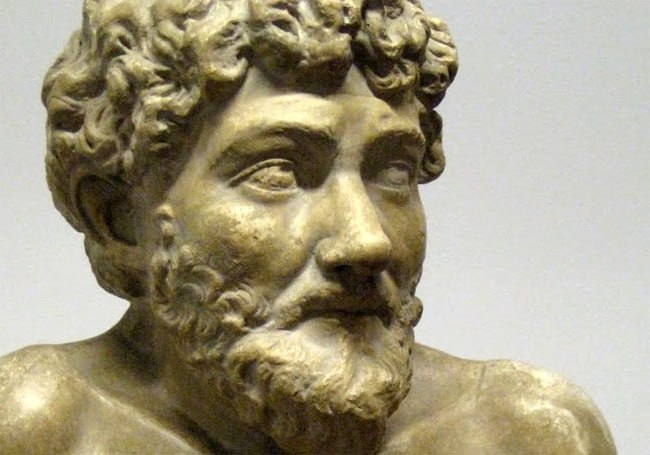
Apollonius of Tyana on self-serving judgement, the nature of divinity, and why medicine must care for both soul and body.
Abdulla Avloniy on raising a child from the first day of life, and on the Jadid movement that set out to modernise education in the Muslim world.
Ibn Khaldun on why dynasties seldom outlast three generations, and on asabiyyah as the force behind the rise and fall of civilisations.
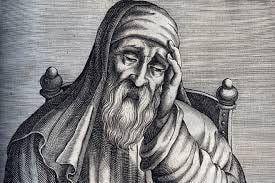
Plutarch on justice and greatness of soul, from his Parallel Lives — Diogenes before Alexander, the peace offer of Darius III and the king who would not drink alone.
Benjamin West's 1770 painting "The Oath of Hannibal", commissioned by King George III, shows the boy Hannibal swearing eternal enmity towards Rome before a statue of Baal.
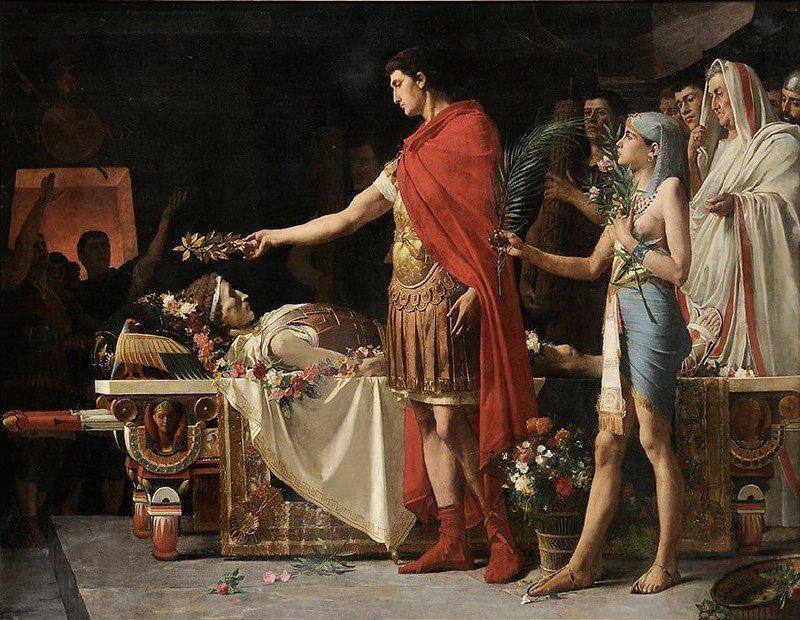
Alexander the Great on fortune, victory and ambition, followed by a short account of his life, his conquests and the empire that broke apart after his death.
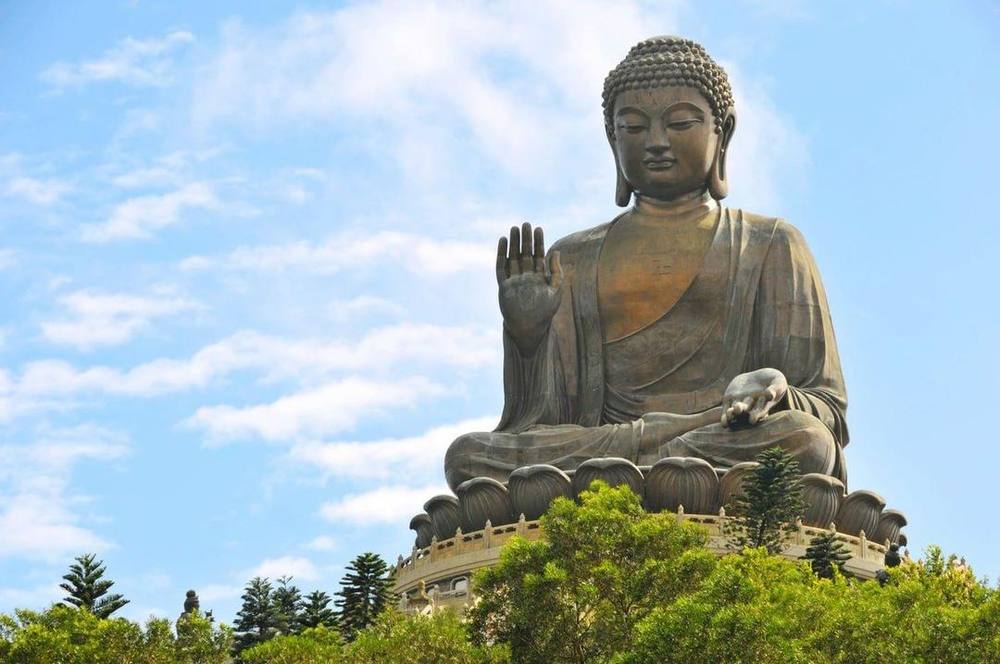
Mind precedes all phenomena. When the mind is known, all phenomena are known.
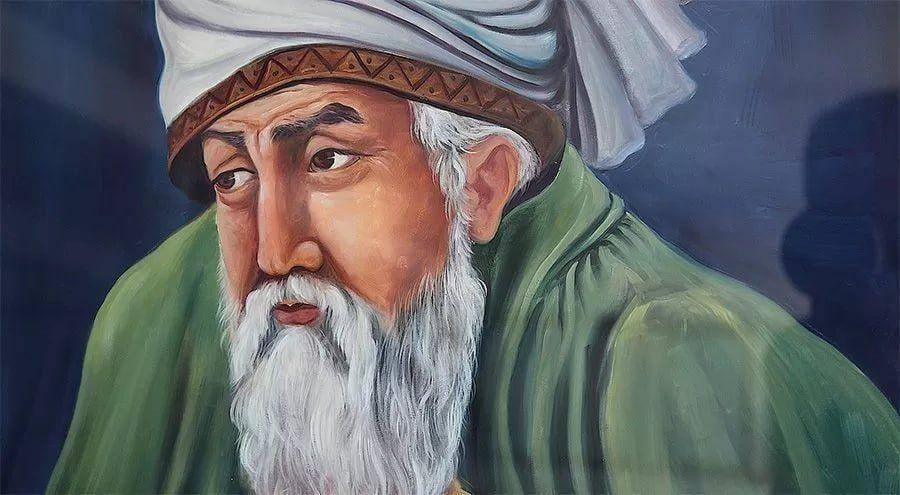
Rumi's counsel for hard times is not to tell the Almighty how great your trouble is, but to tell your trouble how great the Almighty is.
Winston Churchill's warning that nations which ignore the lessons of history are condemned to live through them again.
Rudolf Kjellén (1864–1922) was a Swedish geographer and political figure who coined the term geopolitics. His doctrine treated the state as a living organism and ranked the great powers by space, cohesion and freedom of movement.
Friedrich Ratzel is regarded as the founder of geopolitics as a scientific discipline. His doctrine of the state as a living organism that must expand its living space justified German territorial expansion.
Plutarch recounts how the Spartans answered the Samian envoys and a long-winded orator, in his Table Talk.