




“What a person needs first and foremost is not education but upbringing. Knowledge imparted without upbringing is an enemy of humanity, which in the future may lead to man’s destruction”;
“Sound judgement in discerning what is truly good, so as to do it, or what is evil, so as to avoid it — that is understanding”;
“Truth is the cherished goal in all things, just as are the good and virtue”;
“Wit, which is a good moral quality, arises from the moderate use of a joke”;
“…The true ruler is the one who, in the art by which he governs cities, sets as his aim and object of striving, for himself and for the other citizens, true happiness, which is the limit and goal of the art of governance”;
“The rulers of ignorant cities are like those cities themselves. Each of them conducts the affairs of the city he governs so as to satisfy his own passions and inclinations”;
“He who heals bodies is a physician, and he who heals souls is a statesman, called a ruler”;
“Both a city and a household can be compared to the human body”;
“A people whose cities all help one another towards the attainment of happiness is a virtuous people. In the same way, the whole earth will become virtuous if nations help one another to attain happiness”;
“Generosity arises from the measure shown in saving and spending money. Excessive thrift and insufficient spending lead to miserliness, which is a bad moral quality”.
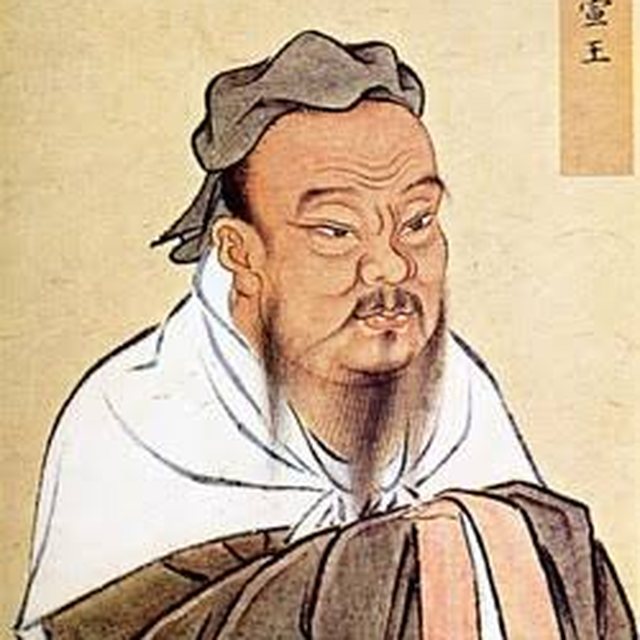
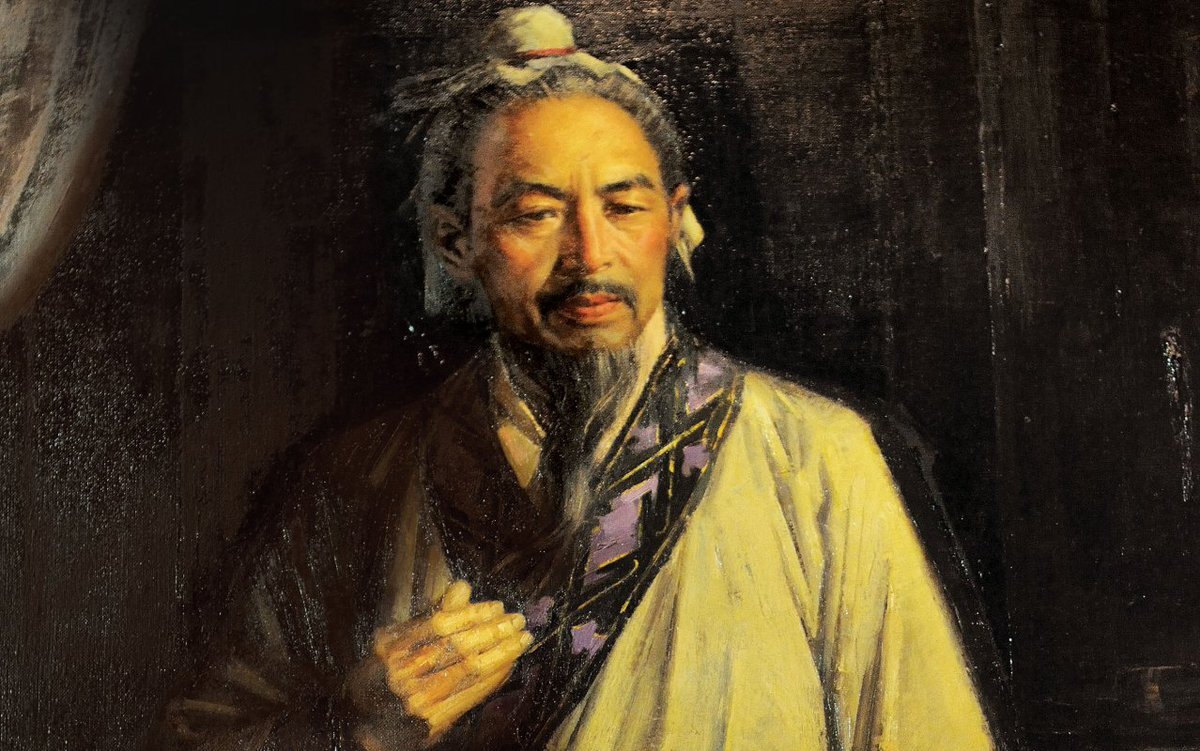
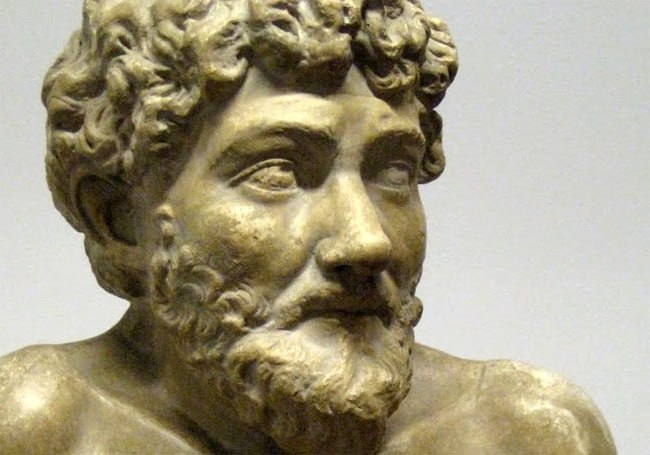
(Abu Nasr Muhammad ibn Muhammad al-Farabi (870–950) was one of the greatest representatives of medieval Islamic philosophy, a mathematician, astronomer, physicist, music theorist and psychologist, the founder of Islamic political philosophy and a scholar of the Islamic Golden Age. Al-Farabi was nicknamed the “Second Teacher” and the “Aristotle of the East” for his role in the development of philosophy and science; Aristotle was called the “First Teacher”. His philosophical ideas and works had a profound influence on medieval philosophy and science, both in the Middle East and in Europe, helping to reinterpret Aristotle’s legacy and to develop new scientific approaches.)