









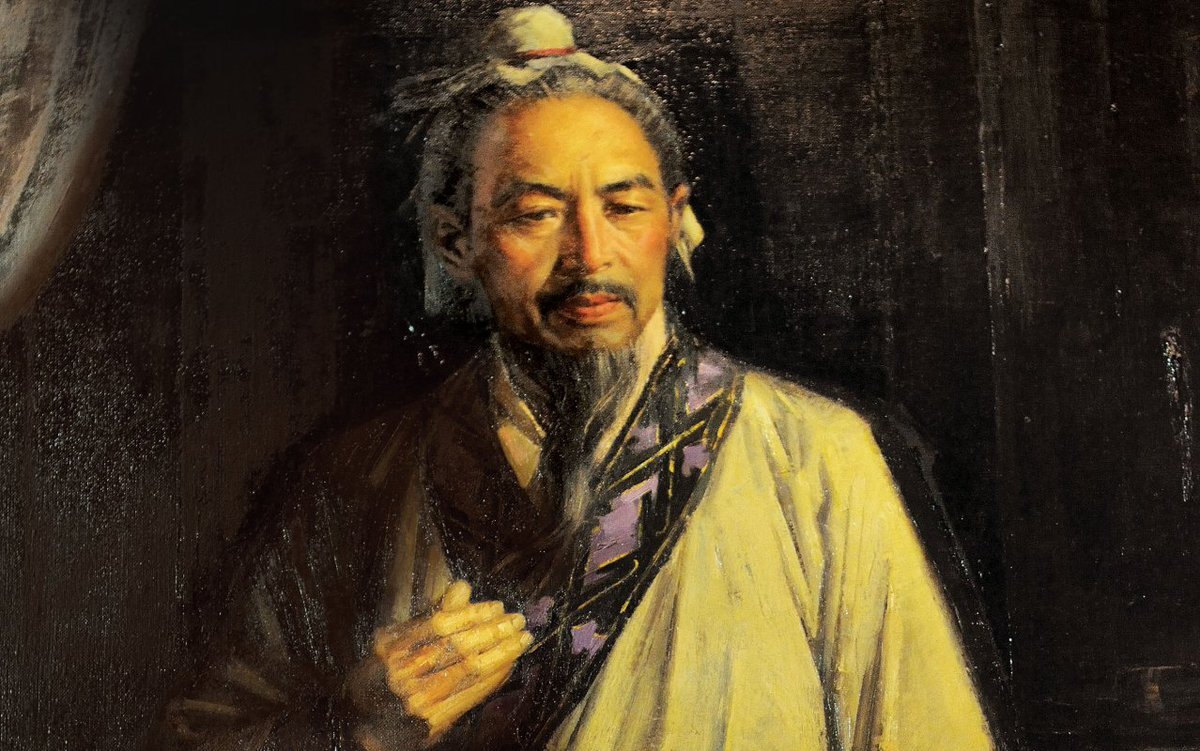
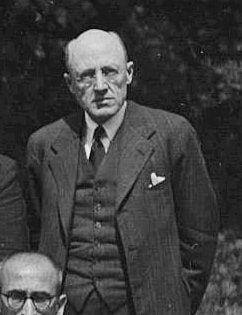




“When you are inspired by a great purpose or an extraordinary project, your thoughts break their bonds, your mind transcends its limits, your consciousness expands in every direction, and you find yourself in a new, great and wonderful world. Dormant forces, faculties and talents come alive in you, and suddenly you realise that you are surpassing even the ideal you once strove for”; “There is no limit to human capabilities, to the power of the word or the power of the mind”;
“There is no movement in a straight line; movement is always cyclical”;
“Any evil thought or deed that we have managed to hold back works to our benefit”;
“Knowledge is power, and in knowing we gain power over what we know”;
“Wake up and do not stop until you reach your goal”;
**“At first a person goes from God, in the middle he becomes a man, and in the end he goes back to God”;
“Therefore hate no one, for the force, the hatred that comes from you, will inevitably return to you afterwards. If you love, love will return to you, completing the circle. There is no doubt that every drop of hatred and every impulse of love that comes from a person’s heart returns to him in full, and nothing can stop them”.**
Patanjali (c. 200 BC – c. 150 BC) was an ancient Indian philosopher, the founder of yoga, a linguist and writer, and the founder of a philosophical and religious school (darshana) in India in the 2nd century BC. In folk etymology the name Patanjali means (pat = to fall, añjali = palm).
Patanjali taught the need for pious exercises (asanas, kriyas and pranayama) in order to gain control over the activity of the mind and to achieve the union of the living spirit with God, the attainment of the state of enlightenment or mahasamadhi, nirvana.
Patanjali wrote the famous religious and philosophical treatise the Yoga Sutras, the foundational text of the Indian philosophical school of yoga. His role in the treatise, however, amounted to gathering the philosophical teachings of a known type that had existed long before him, setting them out and giving them a philosophical foundation.