









In response to the 10% US tariffs on imports from China
In response to the 10% tariffs the United States imposed on imports from China, Beijing introduced additional duties of 15% on US coal and liquefied natural gas (LNG), and 10% on American oil, agricultural machinery, large-engine cars and pickups.
In response to the 10% tariffs the United States imposed on imports from China, Beijing introduced additional duties of 15% on US coal and liquefied natural gas (LNG), and a 10% duty on American oil, agricultural machinery, large-engine cars and pickups.
A full-scale trade and tariff war has begun between the world’s great powers, as a means of advancing national economic and geopolitical interests worldwide.
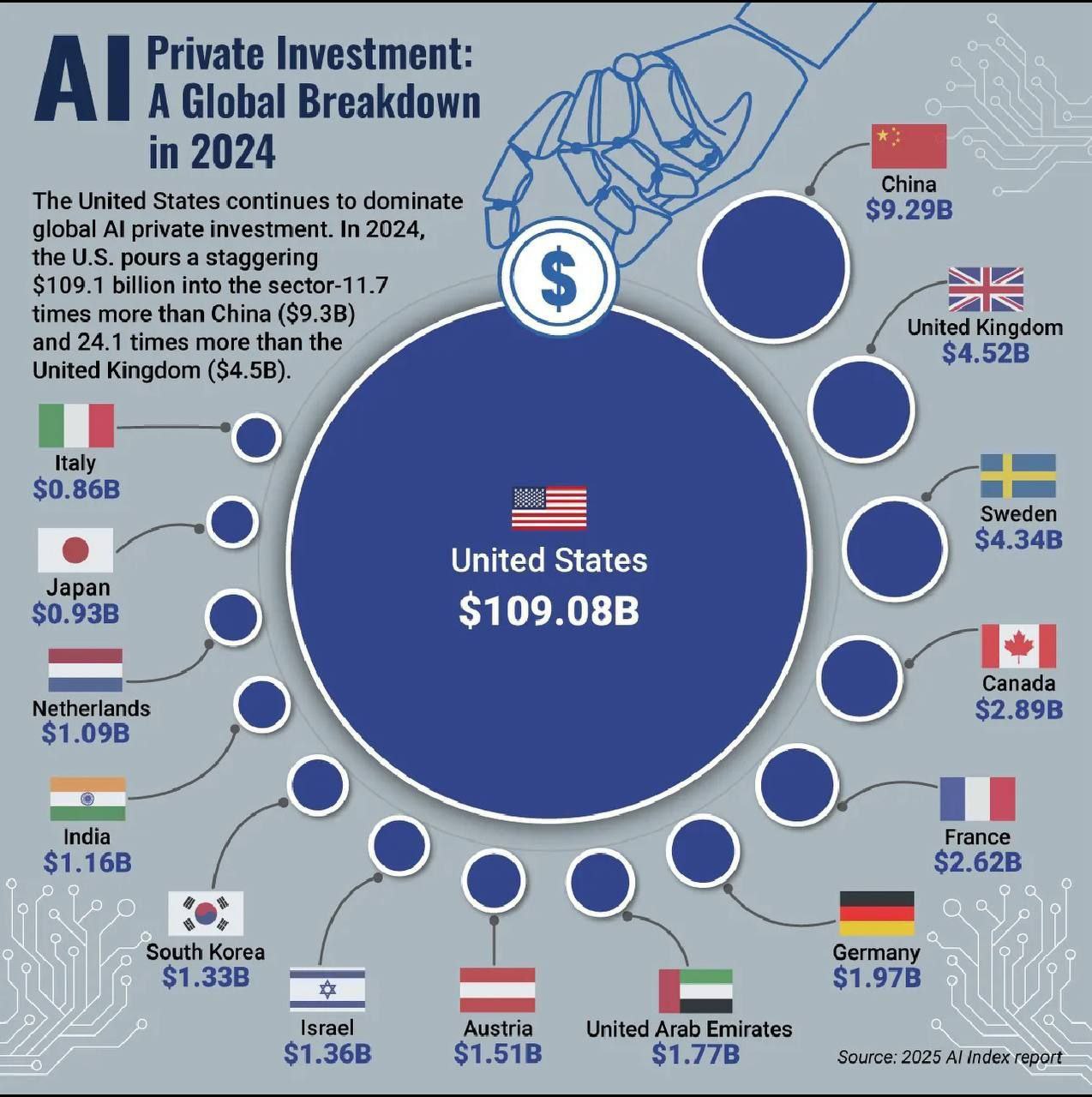
In 2024 trade between China and the United States totalled $688.28 billion. That figure does not favour the United States: of the $688.28 billion, the US supplied only $163.62 billion worth of goods to China, while China supplied more than $500 billion worth to the US. Because the trade imbalance favours China, Trump is seeking to rebalance it by sending more American goods to China than in recent years. Washington is, of course, also pursuing the containment of China through trade war.
China naturally does not want this, all the more so with world markets falling, since there are no other markets of comparable weight where China could quickly redirect the goods it supplies to the United States in such large volumes — although the volume of those goods going to the US is falling every year as a consequence of the trade war.
Moreover, the United States is not a major supplier of energy resources to China. In 2024 American oil shipments were worth only $6 billion, LNG $2.4 billion and coking coal $1.8 billion. Unlike the US, Russia increased its oil deliveries to China by 1.36%, to 108.47 million tonnes worth $62.425 billion, and LNG to 8.3 million tonnes worth $4.99 billion in 2024.
According to the analytics centre Argus, meanwhile, Russian coal exports fell to 195 million tonnes in 2024, 8% below the 2023 figure. Russian companies sharply cut coal deliveries to China (China reduced imports of Russian coal by 7% in 2024), South Korea and Türkiye, ceding market share to competitors from Australia and Colombia. This is due to low world coal prices (squeezed margins), rising rail and port tariffs (more expensive logistics) and problems with railway infrastructure (limited rail capacity), especially in eastern Russia, as well as sanctions restrictions. Yet even with Russia’s coal exports declining, the volume of Russian coking coal supplied to China substantially exceeds American coal exports to China.
Given all this, the United States will seek to increase its supplies of hydrocarbons and raw materials (oil, LNG, coal, agricultural goods and other low-value-added products) to China, thereby balancing its trade with China, because the US has nothing else to offer China — at least at this first stage, while Trump focuses on bringing industry back to America. China already makes almost everything itself, including high-tech goods, and does not need these expensive American products. Trump has therefore set the task of sharply raising oil and gas output, not only to make energy cheaper for industry and the wider economy but also to export raw materials. The interests of the United States and Russia will clash over these issues in relation to China, Europe and India.