









“Reclaim yourself for yourself, and save and treasure the time that others once took from you or stole, that slipped away unheeded. Convince yourself that what I write is true: part of our time is taken from us by force, part is stolen, part simply runs to waste. But the most shameful loss of all is the one we bring on ourselves through carelessness. Look closely: we spend the greatest part of life on bad deeds, no small part on idleness, and the whole of it on the wrong pursuits. Can you point me to anyone who puts a value on time, who knows what a day is worth, who realises that he dies a little with every hour? Our trouble is this: we see death ahead of us, but most of it is already behind us — for every year of life that has passed belongs to death.”;
“A person can learn his own abilities only by trying to put them into practice”;
“It is not that we dare not because things are difficult; they are difficult because we dare not”;
“If wisdom were offered me on the condition that I keep it to myself and never share it, I would refuse it. No good thing brings us joy if we possess it alone”;
“Indulge the body only so far as is needed to keep it strong, and consider that the only healthy and wholesome way to live. Keep the body under strict discipline, so that it does not stop obeying the soul: let food merely satisfy hunger, drink merely quench thirst, let clothing protect the body from cold and a dwelling from all that threatens it. And whether the dwelling is built of turf or of mottled foreign stone makes no difference: know that a man is no worse off under a thatched roof than under a golden one. Despise everything that needless labour creates for ornament or display. Remember: nothing but the soul is worthy of admiration, and for a great soul everything else is smaller than it”.
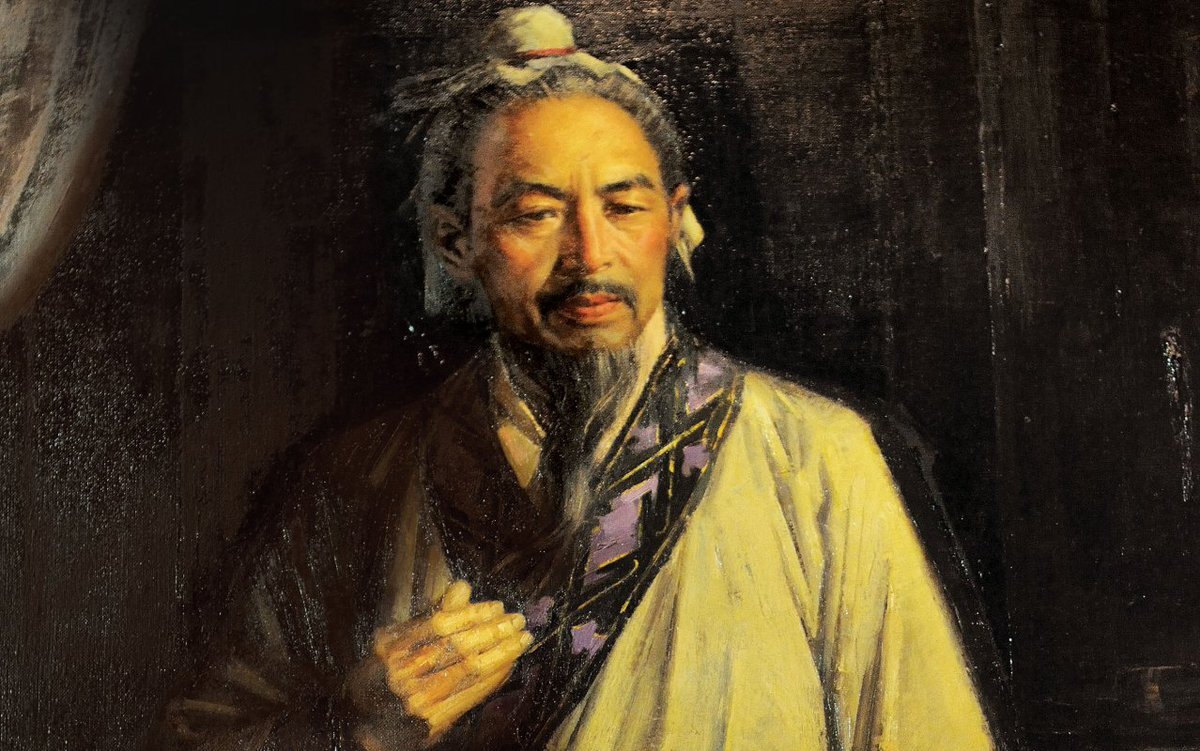
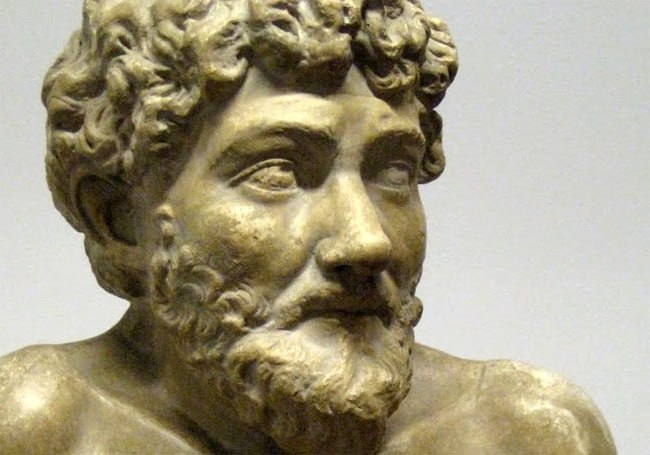
(Lucius Annaeus Seneca (4 BC – AD 65) was an outstanding ancient Roman Stoic philosopher, playwright and statesman, and tutor to the Emperor Nero of the Roman Empire. He entered the history of world literature as the author of “Moral Letters to Lucilius”. In it Seneca, in the guise of letters to a friend to whom he gives moral and ethical instruction and advice, set out his views on life. The work became a classic of ancient epistolary prose.)
During the young Nero’s reign he was the de facto ruler of Rome, but was later pushed from power when he refused to sanction reprisals against Nero’s opponents and against Christians.
He took his own life on Nero’s orders in order to avoid execution. Despite her husband’s objections, Seneca’s wife Paulina declared that she wished to die with him and demanded that she be run through with a sword. Seneca answered her: “I have shown you the consolations life can offer, but you prefer to die. I shall not stand in your way. Let us die together with equal courage — but you with greater glory.”
After these words both opened the veins in their arms. In Seneca, who was already old, the blood flowed very slowly. To speed it, he opened the veins in his legs as well. As death still did not come, Seneca asked Statius Annaeus, his friend and physician, to give him poison. Seneca took the poison, but in vain: it had no effect. He then entered a hot bath, sprinkled water over the slaves around him, said, “This is a libation to Jupiter the Liberator”, and died.