




“Ukraine, a new and important space on the Eurasian chessboard, is a geopolitical pivot because its very existence as an independent state helps transform Russia. Without Ukraine, Russia ceases to be a Eurasian empire. Without Ukraine, Russia could still fight for imperial status, but it would then become mainly an Asian imperial state and would most likely be drawn into exhausting conflicts with a rising Central Asia, which, if that happened, would feel aggrieved at the loss of its recent independence and would receive support from friendly Islamic states of the South. China, it seems, would also resist any restoration of Russian dominance over Central Asia, given its growing interest in the region’s newly independent states. If Moscow, however, regained control over Ukraine, with its 52-million population, major resources and access to the Black Sea, Russia would automatically regain the means to become a powerful imperial state stretching across Europe and Asia. The loss of Ukraine’s independence would have immediate consequences for Central Europe, transforming Poland into a geopolitical pivot on the eastern frontier of a united Europe”;
“Despite its limited territory and small population, Azerbaijan, with its vast energy resources, is also of key geopolitical importance. It is the cork in the bottle containing the riches of the Caspian Sea basin and Central Asia”;
“Anyone can become an American, but only a Chinese can be Chinese — an additional and substantial barrier on the path to world domination by, in essence, a single nation”;
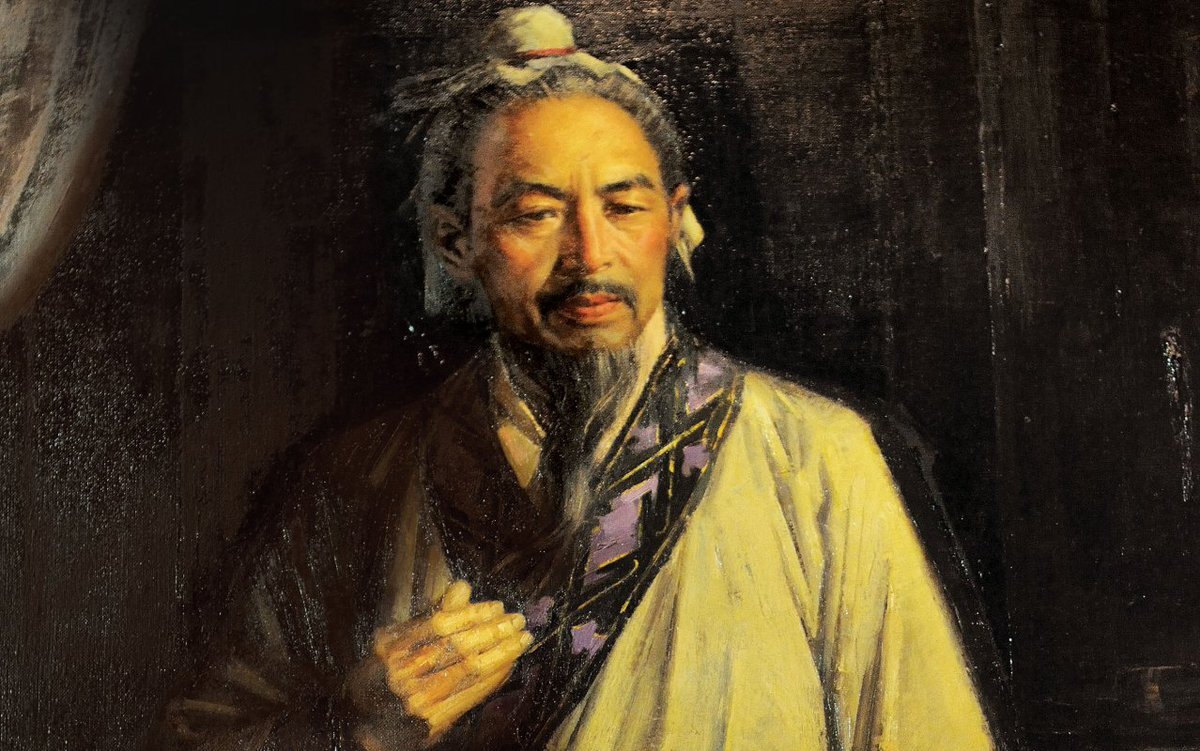
“Now to the larger question of how to deal with the Chinese. Above all, with respect. This is not a civilisation that will allow itself to be intimidated or lectured. The Chinese are incredibly proud of their history and culture, and with good reason. If we presume to instruct them on how they should behave, we will only provoke irritation. If we begin to lecture them arrogantly, we will be firmly rebuffed and our proposals will not even be considered”.
(Zbigniew Kazimierz Brzezinski (1928–2017) was an American political scientist, sociologist and statesman of Polish origin. Brzezinski was national security adviser to the 39th president of the United States, Jimmy Carter (1977–1981), and one of the founders and director (1973–1976) of the Trilateral Commission. He wrote many works, the best known of which is “The Grand Chessboard: American Primacy and Its Geostrategic Imperatives”. For many years he was one of the leading ideologues of US foreign policy.)